
Everything from global turmoil to inflation has caused consumers to tighten their purse strings. While many businesses have subsequently reported lower sales, some companies are still seeing significant success.
On Tuesday, March 10, The Lego Group announced impressive 2025 financial results that included a 12% increase in revenue year-over-year. The privately held Danish toy company reached 83.5 billion Danish kroner (DKK), about $13.2 billion, up from 2024’s 74.3 billion DKK, about $11.6 billion.
Similarly, the company’s operating and net profit rose 18% and 21% YOY, respectively.
Lego also reported a 16% increase in consumer sales, a figure it primarily attributes to its “innovative” product line. Product demand was high across different market groups and for both adults and children.
What is causing Lego’s success?
Clearly Lego is doing something right: The company claims that it grew over twice as fast as the overall toy market in 2025.
Lego launched over 860 products last year, about half of which were new. Its Star Wars, cityscape, and botanicals products were all popular, while the company also released its first items through its Formula 1 partnership—over 20 Grand Prix event activations supported the partnership.
Volume was part of Lego’s success last year, with the company saying it launched its “largest portfolio to date.”
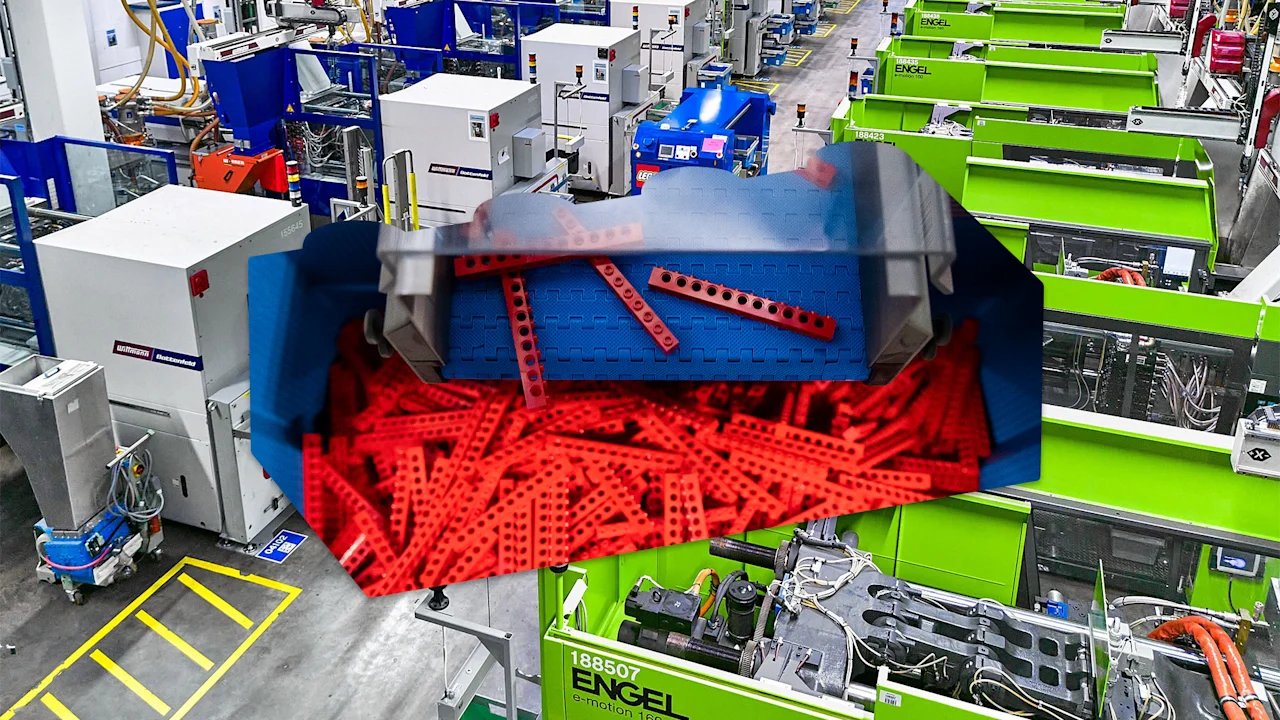
But the company also has a resilient global supply chain, with six factories and five distribution centers worldwide—plus one in Virginia set to open in 2027.
Each factory typically supplies from its immediate region, allowing for lower costs and tailored product offerings.
“Our innovative and extensive portfolio, combined with the strength of the Lego brand and an effective operating model, drove high demand,” Lego CEO Niels B. Christiansen said in a statement. “We delivered these results by being both creative in product innovation and efficient in operations, bringing Lego play experiences to more kids than ever before.”
A little nostalgia doesn’t hurt
Of course, Lego is also popular with adults—many of whom might be experiencing digital fatigue or appreciate the nostalgic aspect. Lego even has a selection of products specifically designed for consumers 18 or older.
Lego is also adapting, leaning—a bit—into the digital world.
The company announced its Smart Play system at CES in January. The interactive technology responds to players with things such as lights, sounds, and even behavior. The entire system avoids using any apps or screens, with Lego stating that it wanted to captivate digital natives without screens.
The Smart Play system doesn’t factor into Lego’s 2025 success since it launched this year.
