
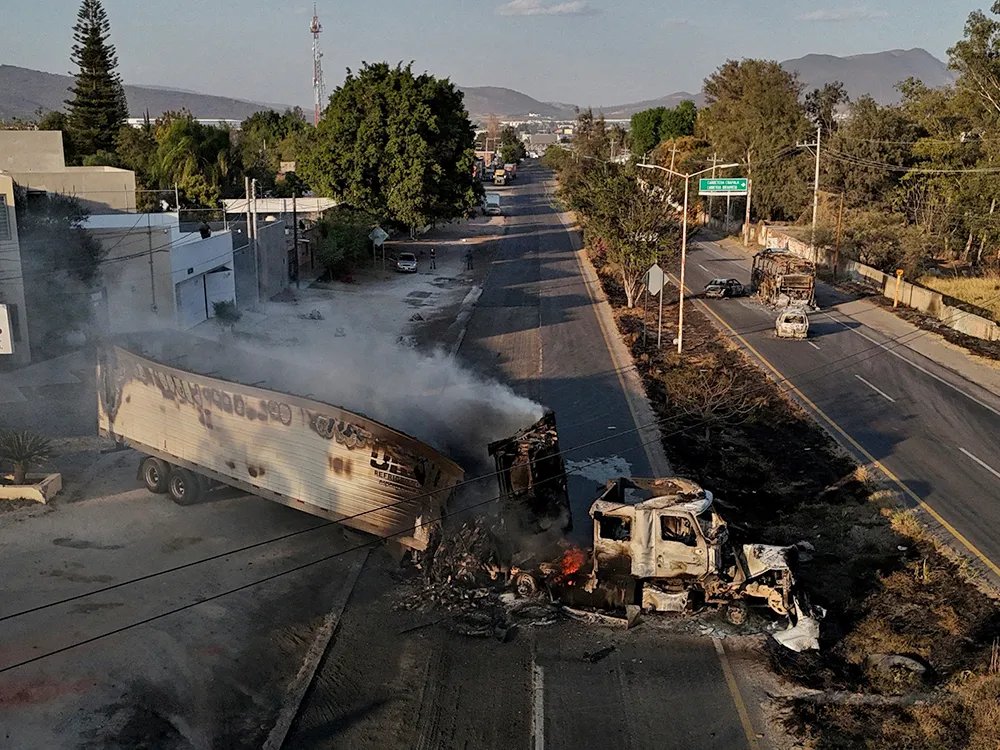
BOGOTÁ, Colombia – Mexico has been rocked by a wave of retaliatory violence after authorities killed the leader of the Jalisco New Generation Cartel (CJNG), Nemesio Oseguera Cervantes, alias ‘El Mencho’, last Sunday. The true impact of his death is yet to be seen, however.
The drug kingpin’s killing threatens to unleash a wave of unforeseen consequences in the region’s complex, interconnected criminal underworld beyond Mexico’s borders.
The CJNG is one of the most powerful and ruthless criminal organizations in the world, overseeing a vast empire of fentanyl, methamphetamine and cocaine trafficking across 40 countries, according to the U.S. Drug Enforcement Agency.
With El Mencho gone and a successor yet to emerge, analysts say that a possible split in the CJNG could trigger shockwaves across Latin America, threatening to unleash violence like that seen in Mexico this week.
Trouble on the border
Among the countries most at risk from the fallout of El Mencho’s killing is Guatemala, according to analysts.
“One place to watch is northern Guatemala and Chiapas, where the CJNG appears to have mostly elbowed (the) Sinaloa (cartel) aside very violently lately,” said Adam Isacson, defence director at the Washington Office on Latin America (WOLA).
In recent years, the southern Mexican border state of Chiapas has been the site of a fierce contest between the CJNG and its arch rival, the Sinaloa cartel. While the CJNG managed to largely establish dominance in the region, the Sinaloa cartel still maintains a presence in Chiapas.
“If Mencho’s departure weakens the CJNG, Guatemala will feel it,” added Isacson, suggesting that the Sinaloa cartel could seize on a split in the CJNG to take back control of Chiapas.
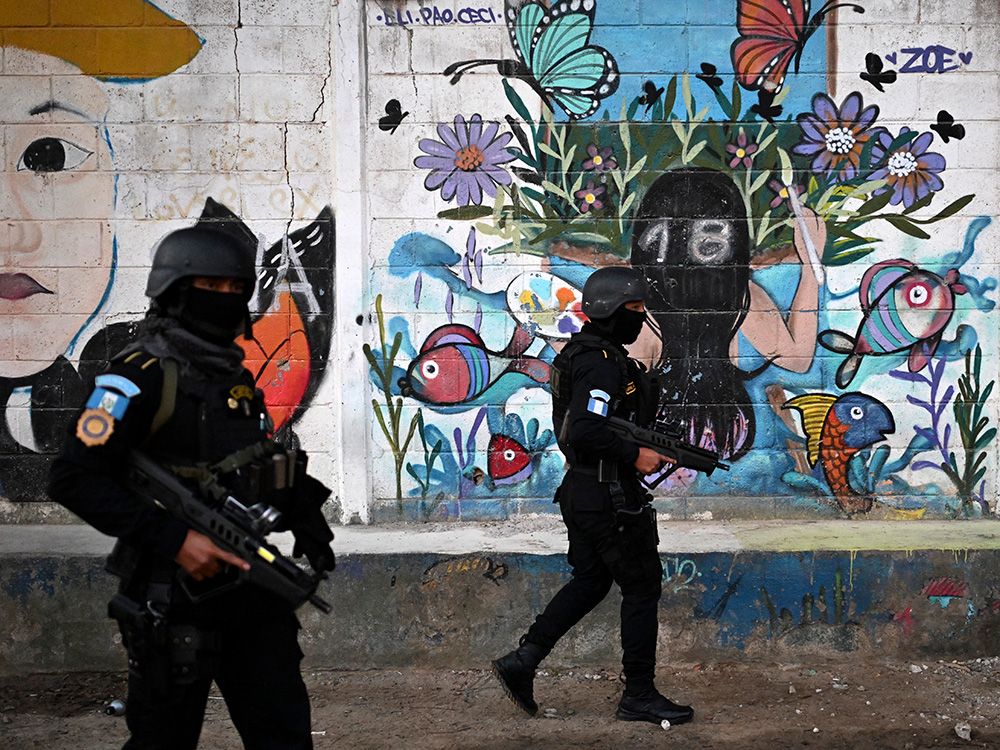
Such a conflict would threaten to further destabilize Guatemala’s border regions, which have already grappled with organized crime in recent years due to their strategic location for drug and human trafficking.
Guatemalan media have linked the CJNG to the so-called Chiapas and Guatemala cartel, a local organized crime group reportedly backed by Jalisco.
Just hours after El Mecho’s killing, Guatemalan authorities announced plans to bolster border defences: “Following reports of the alleged death of… “El Mencho,” the Guatemalan Army, as part of Operation Ring of Fire, increased its operations (monitoring, control, patrols, surveillance, presence and security) in strategic sectors of the Guatemala-Mexico border area.”
The gangs of Guayaquil
Not only could cartel conflict in Mexico spill across borders, but the CJNG’s far-reaching criminal tentacles mean El Mencho’s death may be felt thousands of kilometres south.
“If we think about the fallout in the region, potentially for a reconfiguration of power within Jalisco, Ecuador would be probably the place to look,” said Elizabeth Dickinson, deputy director for Latin America at the International Crisis Group.
Ecuador has grappled with soaring homicide in recent years, with the national murder rate rising by 429 per cent between 2019 and 2024, making it the highest in Latin America.
A large portion of these murders can be attributed to a wave of gang violence centred around the coastal city of Guayaquil, a key departure point for cocaine. Two U.S.-designated terrorist groups, Los Lobos and Los Choneros, have been engaged in a bloody turf war over territory and access to trafficking routes.
This contest is inexorably linked to Mexican organized crime, with Los Lobos backed by CJNG and Los Choneros tied to the Sinaloa cartel.
“The role of Mexican groups in Ecuador is very pronounced, and it’s a place where they’ve had a much more hands-on approach,” explained Dickinson.
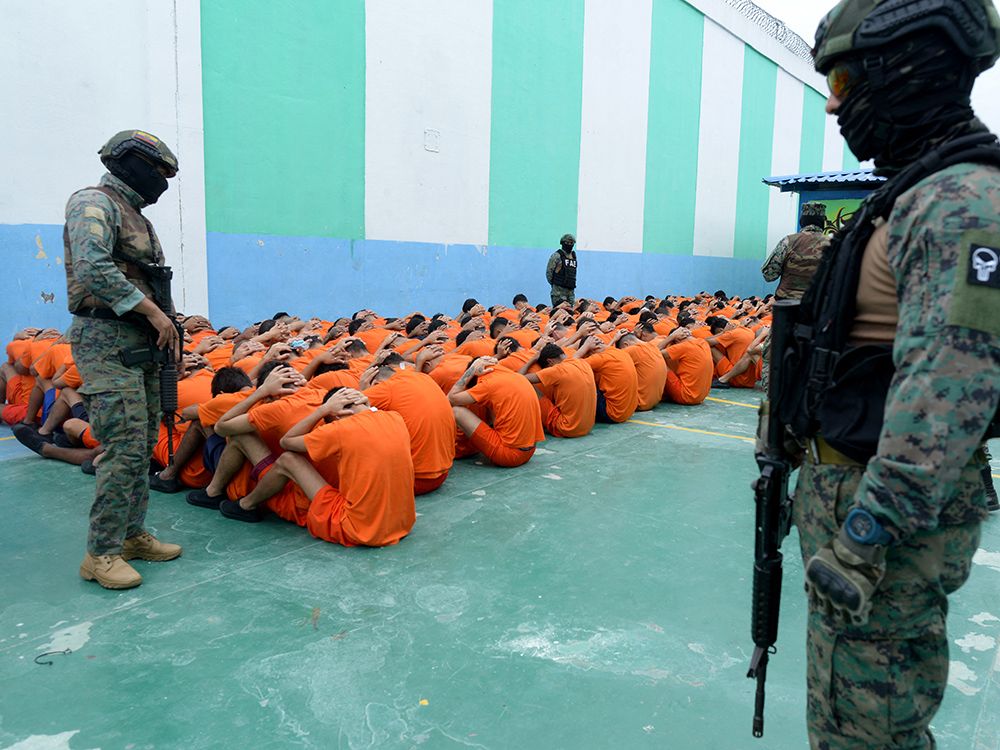
The CJNG provided funding, arms and strategic support to help Los Lobos establish spheres of influence in Guayaquil and other cities, effectively securing its own access to drug transport routes.
In the case of an internal struggle over El Mencho’s succession or a split in the Jalisco cartel, Los Lobos could lose backing from their key benefactor. Such an eventuality may tip the scales in favour of Los Choneros, potentially unleashing a fresh wave of violence in Ecuador.
“I think Ecuador would certainly be a place to watch in the coming months as we see how the internal power dynamics within Jalisco evolve,” said Dickinson.
Cocaine and conflict in Colombia
El Mencho’s death also raises questions in Colombia, where the CJNG sources cocaine to transport and sell around the world.
Colombian authorities have reported arrests of Mexican nationals linked to the group across the country, usually in cocaine production hot spots.
Unlike Ecuador, the CJNG’s relationships in Colombia are predominantly economic, establishing business partnerships with several Colombian armed groups, including remnants of the now-demobilized FARC guerrilla group, according to analysts.
“If CJNG splits up, we can expect some violence in Colombia as competition for the group’s trafficking routes intensifies,” said WOLA’s Isacson.
If the Jalisco cartel were to stop buying cocaine due to an internal power struggle, Colombian armed groups tied to the Sinaloa cartel may see an opportunity to swoop in and seize power.
Competition over territory between warring armed groups has been a key driver of the internal conflict in Colombia, which in 2025 recorded its worst year in a decade, according to rights groups.
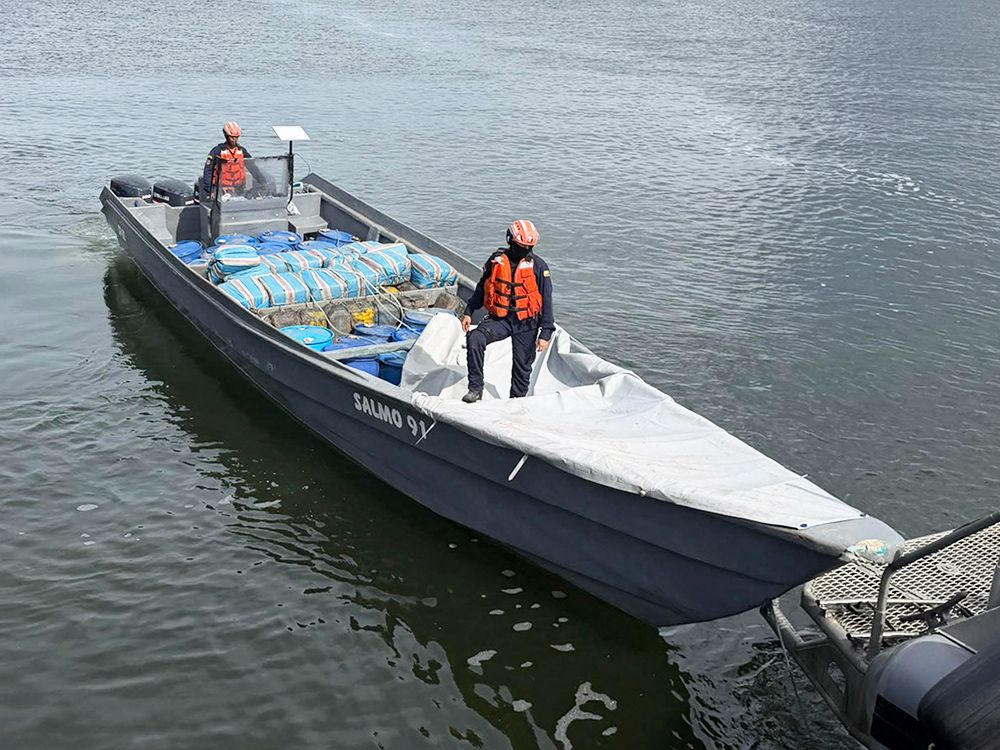
However, analysts note it is unlikely that the CJNG would altogether stop buying cocaine from Colombia.
“The cocaine market particularly is so mature and has been working for so many decades that it tends to keep operating even when there are these sorts of criminal splits,” explained Dickinson.
Others note the fragmented nature of the supply chain, which means that even if the CJNG stops buying cocaine, other buyers will find a way to move it.
“These transactions and relationships aren’t one to one, there are a lot of brokers and intermediaries involved in the drug trade who are still going to want to move product from Colombia to elsewhere,” said Shuldiner.
While the CJNG’s succession process remains opaque, authorities across Latin America will be closely monitoring the cartel’s next steps after El Mencho’s death.
Latin America Reports
Our website is the place for the latest breaking news, exclusive scoops, longreads and provocative commentary. Please bookmark nationalpost.com and sign up for our daily newsletter, Posted, here.
