
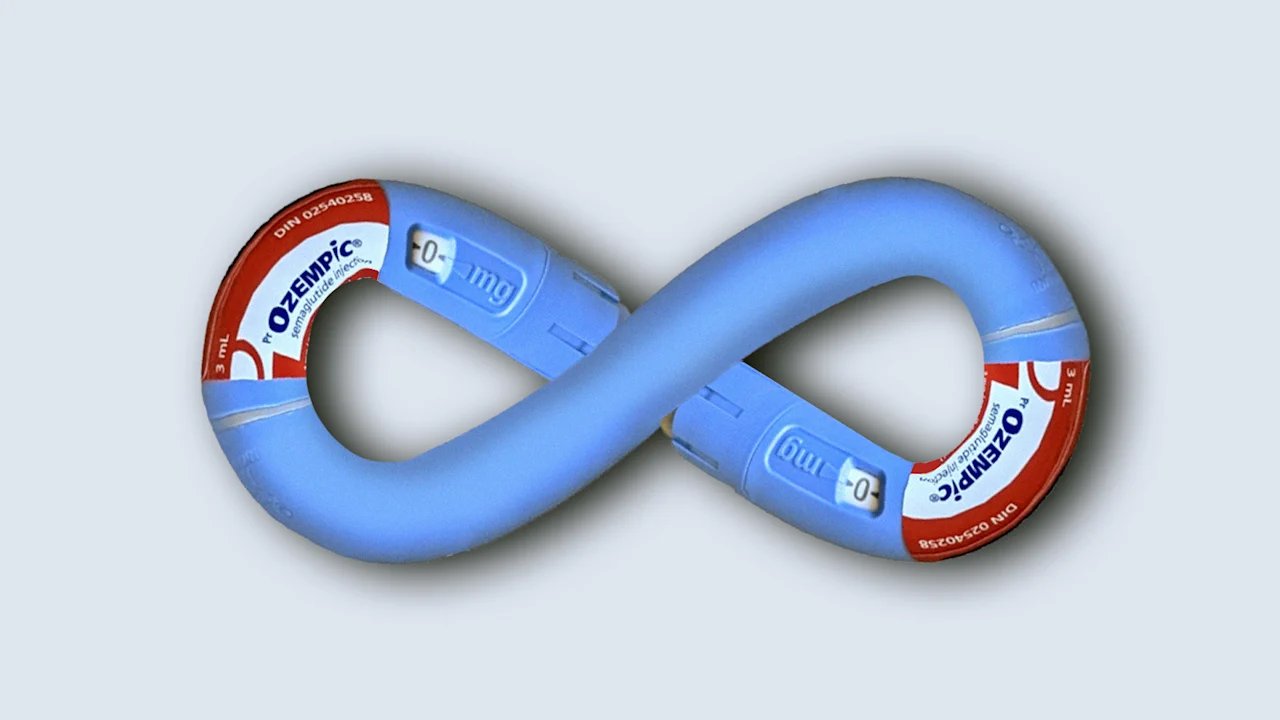
The impact of GLP-1 medications on weight loss is undeniable, but emerging research suggests the results may only be temporary. A growing body of evidence shows that when patients stop taking GLP-1 drugs, much of the weight they lost returns—and so do the medical complications that may have prompted treatment in the first place.
“The only way that they work is if you keep taking them,” Scott Isaacs, an endocrinologist at the Grady Health System in Atlanta, told Market Watch. “And when people stop taking them, they have a lot of weight regain, and the medical problems that went away tend to come back.”
New research from the University of Oxford found that weight is projected to return to pretreatment levels within about 1.7 years after stopping medications. Improvements in cardio-metabolic markers—including blood pressure, cholesterol, and diabetes-related indicators—also trend back toward baseline within about 1.4 years after cessation.
The recognition that long-term benefits depend on a patient’s willingness to remain on the medication has become increasingly widespread, both as patients experience these changes firsthand and as more research emerges. Oprah Winfrey has spoken publicly about regaining weight after stopping treatment, later saying that using a GLP-1 “is going to be a lifetime thing,” according to an interview with People.
However, not everyone is willing—or able—to indefinitely commit to GLP-1s.
In a study published last year, researchers analyzed the health records from 77,310 adults in Denmark—where Novo Nordisk, a major developer of GLP-1 drugs, is based—who used Wegovy for the first time. The researchers found that 52% of people stopped taking the drug within a year, pointing to cost and side effects, which have become growing concerns for users worldwide.
Patients can expect to pay at least $4,200 out of pocket annually for drugs like Zepbound and Wegovy, an unsustainable expense for many. As it becomes clearer that GLP-1s may represent a lifelong financial and medical commitment, researchers and clinicians are increasingly evaluating more permanent weight-loss interventions, like bariatric surgery and endoscopic sleeve gastroplasty (ESG), according to Market Watch.
ESG typically costs around $12,000, while bariatric surgery can cost roughly $17,000. Though still expensive, the one-time nature of these procedures may make them a more appealing option for patients seeking lasting results, according to Bariendo, a network of weight-loss surgery clinics.
As evidence continues to surface, patients pursuing weight-loss solutions are facing a central question: whether they are prepared not just to lose weight but to commit to using a medication for life, too.
—By Leila Sheridan
This article originally appeared on Fast Company’s sister website, Inc.com.
Inc. is the voice of the American entrepreneur. We inspire, inform, and document the most fascinating people in business: the risk-takers, the innovators, and the ultra-driven go-getters that represent the most dynamic force in the American economy.
