
I have a confession: I don’t care for Pokémon.
While I adored the first few generations (even the arguably too aquatic Hoenn Region), I eventually found the series too stagnant, especially compared to other JRPGs like Final Fantasy, Persona and Tales. I also found it ridiculous how games like Sword and Shield could get a pass for being utterly broken at launch, even though Pokémon is the literal highest-grossing media franchise of all time. But of course, I’ll always have the fondest memories of losing myself in those early games.
As I’ve been playing through Pokémon Pokopia, I’ve found myself feeling that old magic. While not without its issues, Pokopia is a surprisingly thoughtful and deep spin on the series’ iconic “Gotta Catch ‘Em All!” ethos, and I’ve become rather enamoured with it.
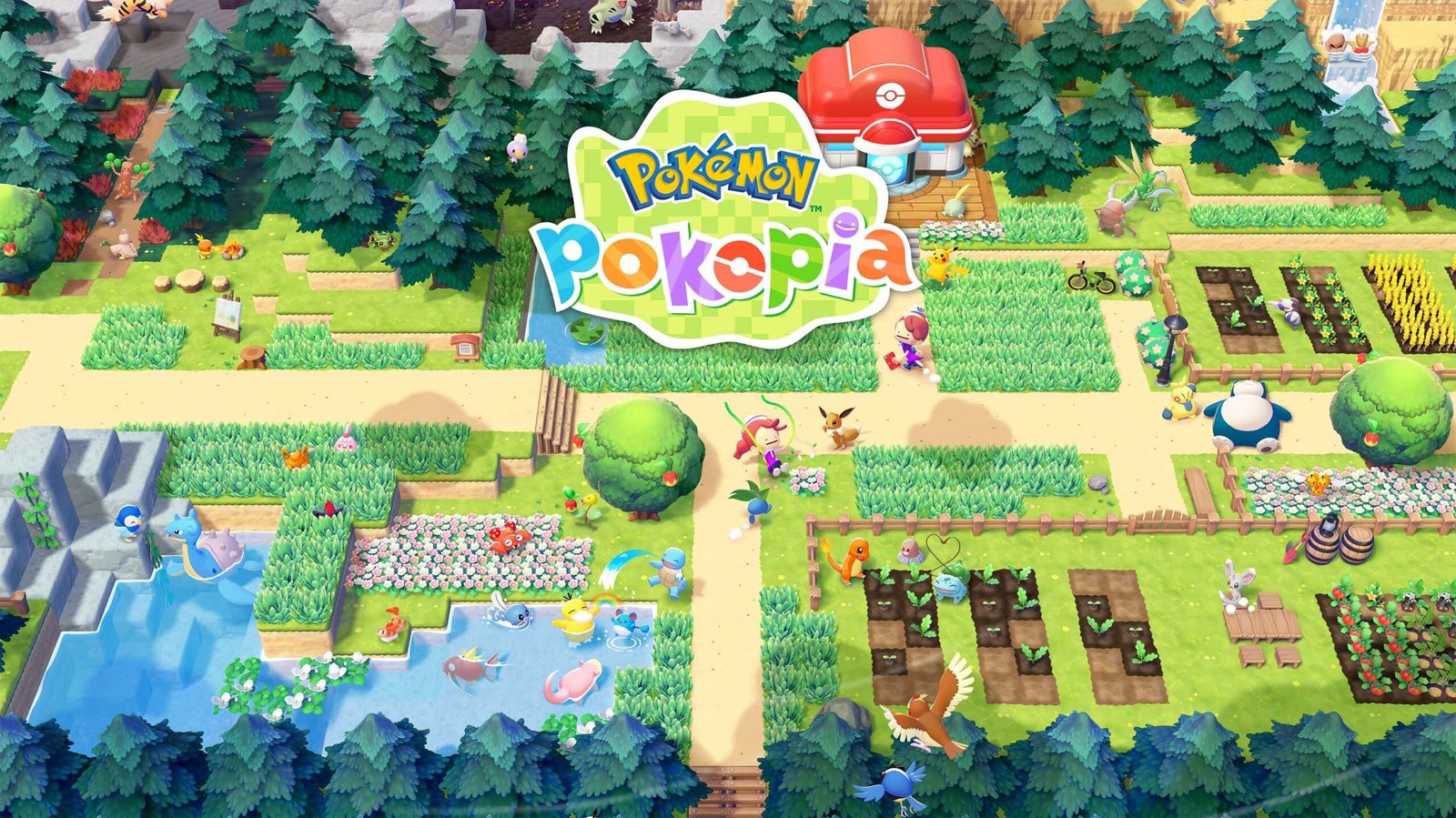
First and foremost, it eschews the rather repetitive gym-to-gym structure that was part of the reason I fell off of the series. Instead, it takes the world of Pokémon and gives it an Animal Crossing-esque life sim treatment, which is such a peanut-butter-and-jam sort of mix-up. In the game, you play as a Ditto who assumes the form of a human and works together with other monsters to restore a dilapidated world.
It’s a strong premise that meaningfully builds upon the whole concept of Pokémon. It’s not about battling — it’s about ecological rebuilding. For a family game like this, it’s lovely to see such a positive message being placed at the forefront. And in practice, it makes for a remarkably compelling, if sometimes tedious, experience.
It all starts in a canyon area as you meet Professor Tangrowth and he teaches you the basics. Chief among them is how to create natural habitats that will bring back Pokémon to the barren wasteland. Sometimes, this is simply planting new patches of grass around a tree, while other times it requires more elaborate setups, like a makeshift dining room. It’s a clever twist of the puzzle element of the Pokémon series’ signature rock-paper-scissors elemental combat.
Further, it actually enhances that feeling of “catching” Pokémon. You didn’t just happen upon them in the wild — you took the time and care to restore their habitat and bring them to you. There’s an irresistible charm to restoring a weathered tree on a hill, then seeing a Scyther pop up, or building a little fishing camp by the sea, and Magikarp splashes over. And in my particular case, it’s been fascinating beyond the nostalgic monsters I know to find all these Pokémon that I didn’t recognize because I’ve been out of the game for so long. (Essentially, my only real frame of reference as an adult has been whoever got added to Smash Bros.)
Moreover, you’re encouraged to actively engage with all of these Pokémon. Find Squirtle and he’ll teach you Water Gun, one of the game’s HM-like abilities that lets you water and rejuvenate withered plants. Help out Magikarp with his home, and he’ll show you how to jump, a fun way to expand on everyone’s favourite useless fish. Raise Timburr’s comfort level by adding a light to his area, and he’ll help you build faster. While the actual dialogue from most of the Pokémon you’ll find is your standard child fare, the actual act of locating and teaming up with them is sound.
With all of that said, there are some frustrating elements. On the whole, there’s a wonderful progression to the game, from constructing small leaf huts, brick paths and local Pokémon Centers in the opening areas to entire towns with interlocking staircases, powerlines to charge machinery, colourful playgrounds with water fountains and crop-filled farms. And there’s an undeniable charm in seeing the Pokémon happily going about their days in the areas we collectively built.
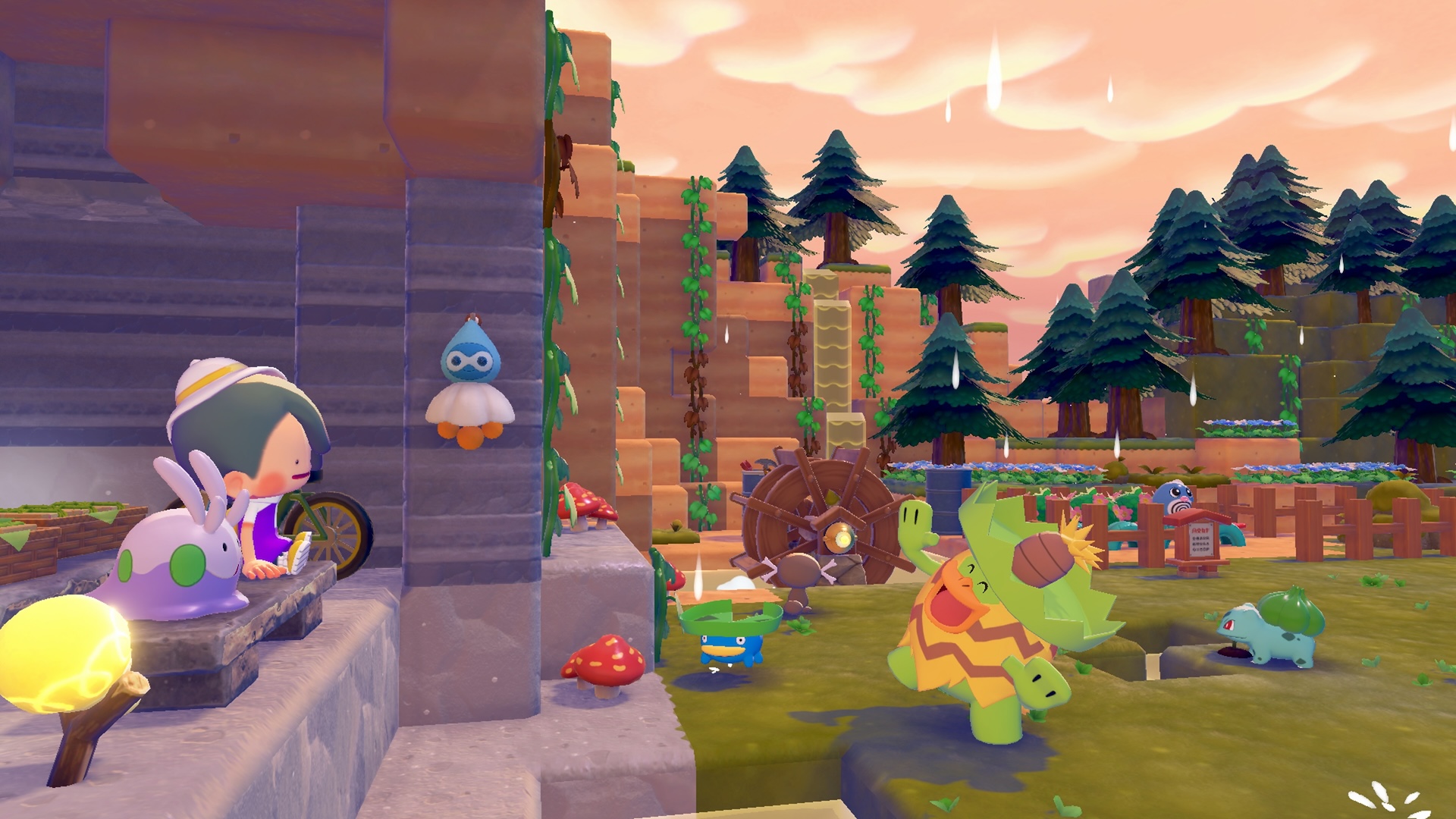
The only problem, though, is that the road to get there can occasionally feel like a slog. For one, I often found myself speeding through the long stretches of banal banter. (It turns out that Professor Tangrowth isn’t as smart as his name would suggest.) What’s more, the main quest design can leave much to be desired.
Take the mission to rebuild your first Pokémon Center. You’re told you have to bulldoze with a strong Pokémon who can be found in a nearby cave. Once you get there, you’ll find a trapped Onyx, so you go ask the professor for help. But he’s apparently too distracted, so you have to take him to the opposite side of the island to check out a lighthouse. After this strange detour, you’re told you need to make it rain to weaken Onyx’s restraints, which involves locating a Slowpoke. But before he can help, you have to escort him as he agonizingly waddles halfway across the island, building soft terrain and stairs for him lest he tire out and stop for a breather. And then, once you get to the town square, he has the audacity to ask you to raise the humidity before he can bring out the water.
This is probably my single least favourite thing in video games: wasting my time with needless padding that keeps me from what I actually want to do. And unfortunately, the sluggish pacing and heavy tutorials can recur even many hours into the game. While I can certainly appreciate that this is a bubbly kids game at heart, I do wish Pokopia struck a better balance with this rigidity and hand-holding.
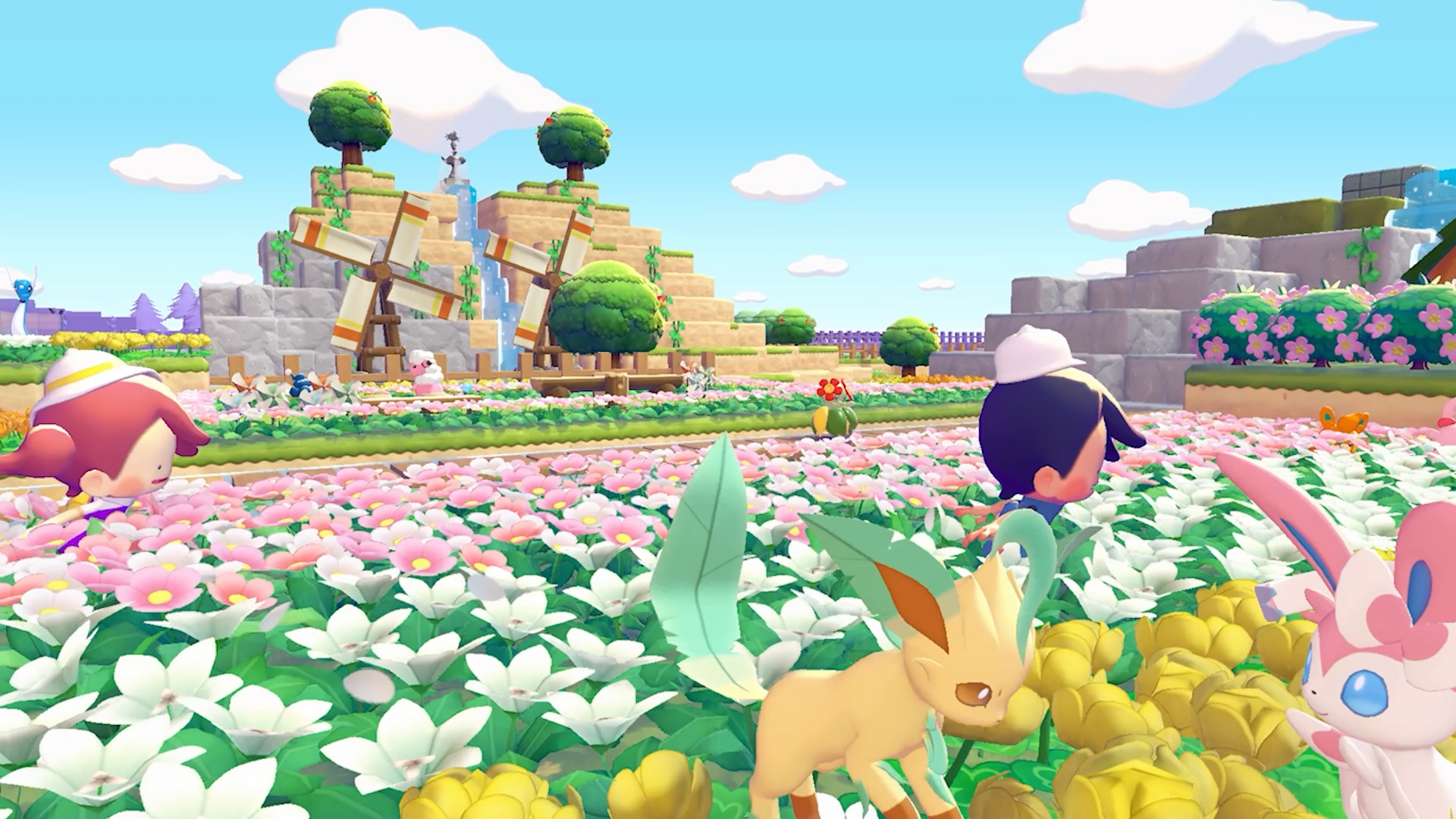
Because at its best, Pokopia is an absolute delight. When left to my own devices, I absolutely adored simply wandering off. Exploration is rewarded as you unlock new abilities like rock smashing to open new paths. Often, I’d climb a tall mountain and find new environments, a Poké Ball containing decorations, objects to create habitats, tantalizing world-building logs depicting life before the dystopia or new Pokémon entirely. There’s a constant sense of discovery here, and it kept me hooked.
And that’s ultimately what will make Pokopia stick with me. While I definitely could have done with less tedium, the moment-to-moment loop of finding new Pokémon and working together to rebuild society is genuinely wonderful. That’s something we could all use right now, and I never thought I’d find it in a Pokémon game.
Pokémon Pokopia is now available on Nintendo Switch 2.
Image credit: Nintendo
