
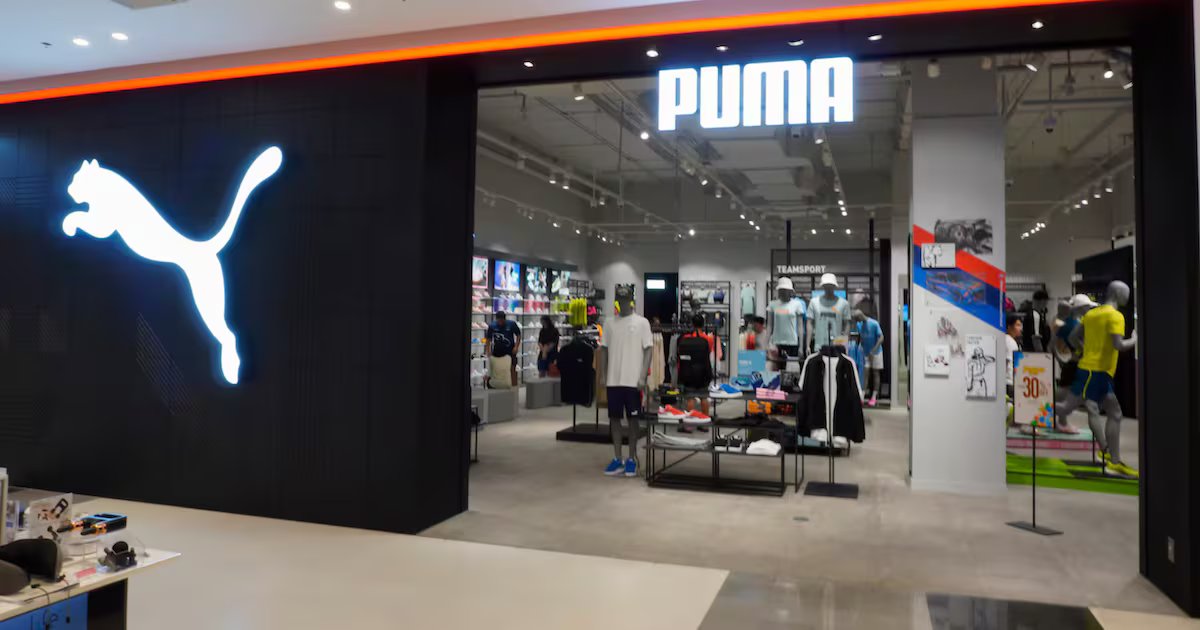
Puma SE forecast another loss this year and scrapped its dividend as the German brand looks to clear unsold sneakers and apparel and position itself for a return to profitable growth in 2027.
The company sees an operating loss of €50 million to €150 million ($177 million) in 2026, it said in a statement Thursday. Sales will probably fall in the low- to mid-single-digit percentage range, in line with analysts’ estimates.
“This guidance may be viewed as conservative albeit slightly better than market expectations,” RBC analyst Piral Dadhania said in a note. The analyst noted that Puma’s fourth-quarter performance exceeded the gloomy expectations for the brand, thanks in part to the apparel business faring better than feared.
The shares rose as much as 7.3 percent in early Frankfurt trading, as some investors bet on the turnaround. The stock is down around 20 percent in the past year.
Chief executive officer Arthur Hoeld has warned 2026 will be a transition year as Puma liquidates excess inventories at factory outlet stores and with some wholesale partners, revamps its marketing efforts and develops better products for football, running and training.
That’s part of a plan to set Puma up for a resurgence next year, and eventually to position the company as the world’s biggest competitor to industry giants Nike Inc. and Adidas AG. Puma is planning capital expenditures of about €200 million that’s focused, in part, on building up its digital infrastructure and direct-to-consumer sales channels.
After taking over last summer, Hoeld shocked investors with a bleak assessment of Puma’s near-term prospects, saying it needed a major reset. He’s since slashed jobs, shaken up management ranks and welcomed the prospect of China’s Anta Sports Products Ltd. taking over as Puma’s leading shareholder.
Puma’s falling revenue this year is mostly because of efforts to streamline distribution of its products in North America, it said. It expects to partly offset that with growth in Latin America, the Middle East, Africa and India.
Puma largely completed its product “take backs” from wholesale partners in the fourth quarter, it said. It’s now focused on reducing the high inventory of unsold sneakers and apparel through a combination of “disciplined management of purchasing volumes and targeted product clearance initiatives,” it said.
By Tim Loh
How a Price Guarantee Helped Seal Pinault’s Puma Exit
A price-protection clause that guarantees François-Henri Pinault’s family a share of any near-term upside helped bridge a valuation gap and seal Anta’s $1.8 billion purchase of Puma’s largest stake
