
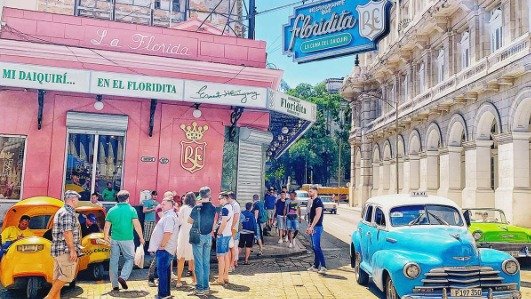
Prominent Toronto travel personality Steve Gillick says what’s happening in Cuba is “heartbreaking” but he’s confident a country he’s frequently visited and has developed an appreciation for will again figure prominently in Canadian travel plans.
All airlines that had been linking Canada and Cuba have suspended service because of a worsening fuel situation, with affiliated tour operators in turn bringing back their clients vacationing in the country and putting their Cuba programs on hold.
The suspension of the programs is a major economic blow to Cuba, which has reacted to the current fuel shortage in part by shortening school days.
Cuba has long been hugely popular with Canadian sun-seekers and Canada has always been Cuba’s top tourist market.
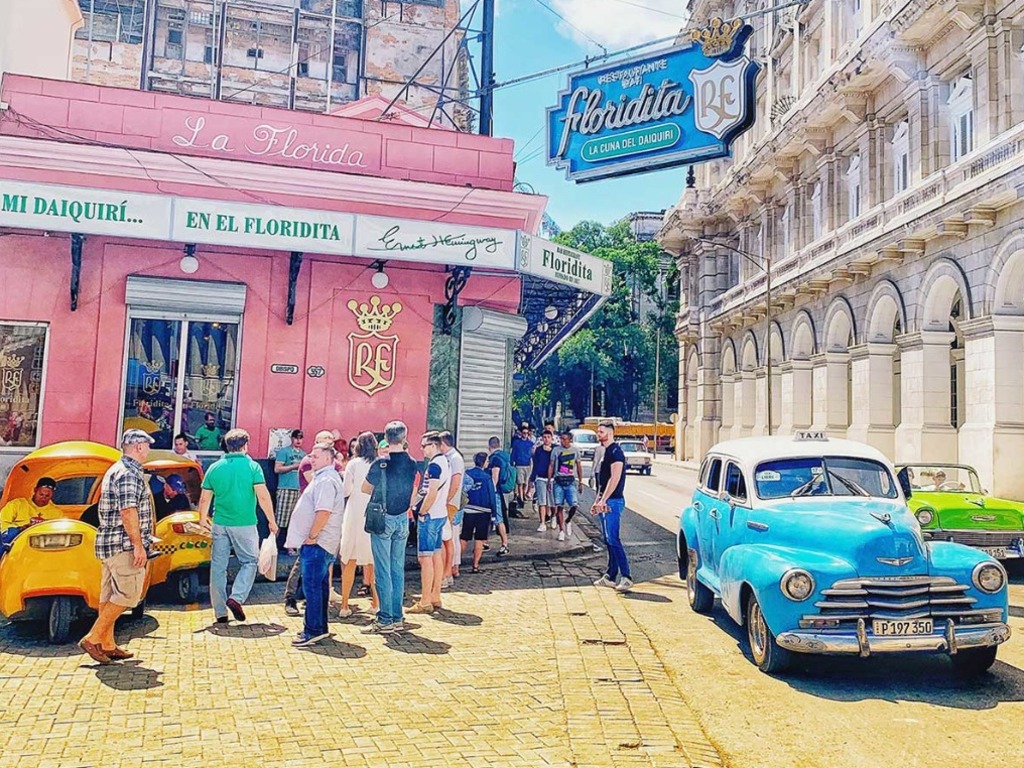
Lessner Gomez, who ran the Cuba Tourist Board office in Toronto for several years before being transferred to the Ministry of Tourism’s head office in Havana, placed a poignant video on LinkedIn last week showing Canadian tourists at a beach resort writing, “Until the Next Time” on a Cuban flag before being brought back home.
[To watch Lessner’s video, CLICK HERE]
Gillick, who’s visited the country 10 times, travelled throughout it and has built friendships with some Cubans, is upset by the developments of the past few weeks.
“Personally, I am very troubled about the current situation,” he says. “It’s a sense of helplessness — as there are no flights — so it’s not a matter of packing up and heading to Cuba with lanterns and batteries, and canned goods. I don’t want to get into my feelings about the political motives. I hope that ‘something’ can be negotiated to spare the Cuban people from more hardship. I dread the thought of Cuban families with little food, sitting in the dark. It’s a heartbreaking scenario. Canada has implied that humanitarian aid may be considered, and my hope is that it will come sooner rather than later.”
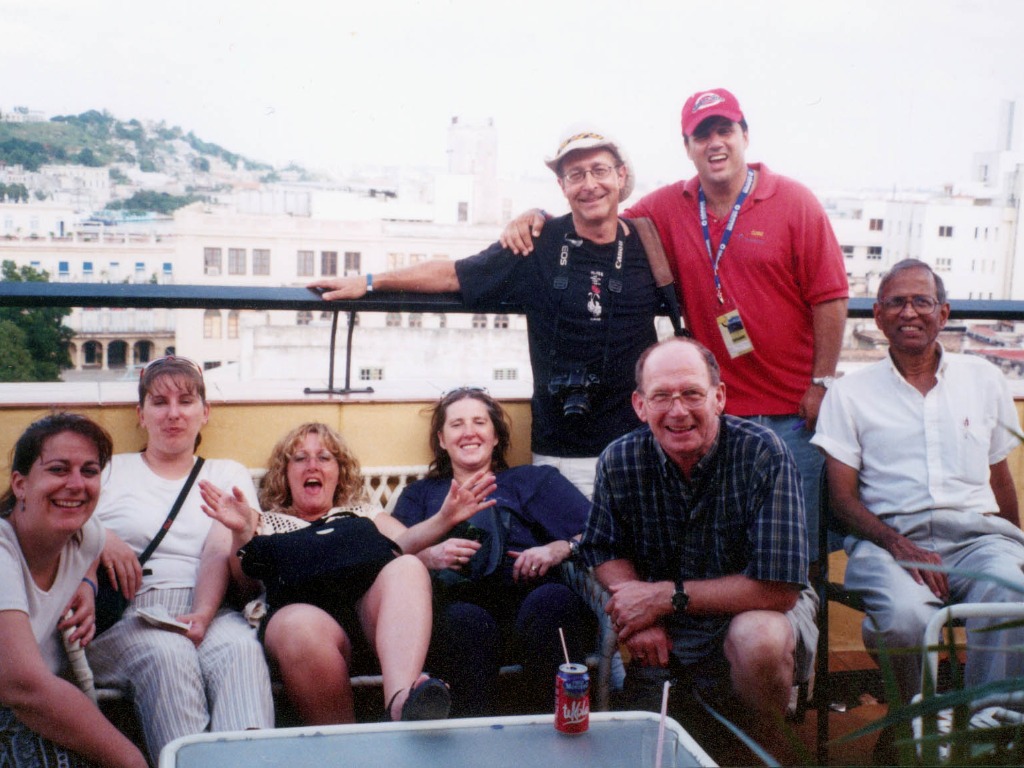
“Cuba is a unique destination where I’ve had wonderful conversations with locals, even though I don’t speak Spanish, made life-long friendships, photographed gorgeous scenery, spotted the (Cuban national bird) tocororo that displays the colour of the Cuban flag, and the rainbow colours of the Cuban Tody, ate moros — the national dish of black beans and white rice — smoked cigars, even though I’m not a smoker, drank rum, walked in the forests, enjoyed the beaches, and even climbed in the Sierra Maestra mountains. Every Cuban trip I’ve been on ends in an afterglow of memories and plans to return.”
Gillick says he particularly appreciates the Cuban people, recalling conversations with the likes of newly met store owners, street vendors and other locals in different parts of the country, always feeling safe while doing so.

He’s also quick to praise the Cuba Tourist Board employees in Toronto, “where there’s a genuine love for promoting the country, by personable, knowledgeable and smiling staff. It extends to Cuba, where on my last trip the Minister of Tourism, Juan Carlos Garcia Granda, recognized me at an event and came over so we could chat and have our photo taken together, and at other events, the former minister of tourism, now the Prime Minister, Manuel Marrero Cruz, has shown up, unannounced, without a retinue of politicos and security guards, and spoke to us in a friendly, personable way.”
Gillick adds that he’s cultivated personal friendships on the island, and has made a point of always bringing one Havana-based guide a bottle of Ontario maple syrup, not normally available in Cuba.
But Gillick, whose previous work had him working closely with the travel agency community, says travel agents who have sold Cuba to satisfied clients in the past the past should continue to promote it.
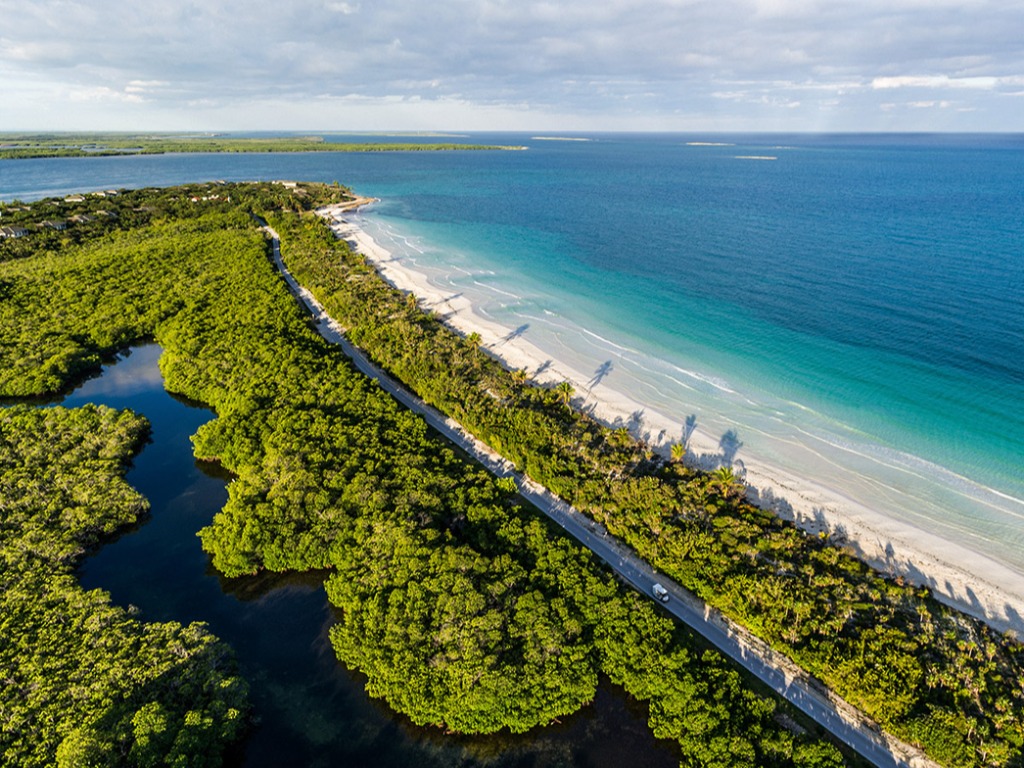
“I would take a proactive approach and suggest that, while Cuba may be ‘on hold’ for the time being, it will bounce back as a beloved Canadian tourist destination,” he continues. “Think back to COVID, when no one could travel anywhere. Clever, creative travel agents and agencies kept promoting destinations. The term “travel revenge’ emerged to describe the attitude of travellers to the 18 months or so when they could not travel safely.
“The same applies to Cuba. Collect stories, anecdotes, favourite hotels or activities, recipes, rums and feature them as often as possible. Traveller tales — people love talking about their adventures — go a long way in creating magical memories of past visits to Cuba — with which past Cuba tourists can identify — as well as creating a “wow… I’ve gotta get to Cuba” – feeling for those who haven’t yet experienced the country.”
Gillick is hoping for a Cuba tourism recovery before the year’s out, while adding that those of us who liked Cuba but can’t now go will likely choose another destination in the interim. “And while they may love it, they will be subliminally comparing it to Cuba and they’ll be waiting in eager anticipation for the opportunity to book a Cuba getaway.”
And the well-travelled Gillick says he’s confident that there are further Cuba visits in his future.
“For me and for my friends who’ve experienced Cuba, it’s all about people, culture, history, music, nature, beaches, cigars, rum, relaxation, adventure, safety, happiness, and comfort,” he continues “Cuba has always been an infusion of positive energy for me and I plan to be there many times in the future.”
