
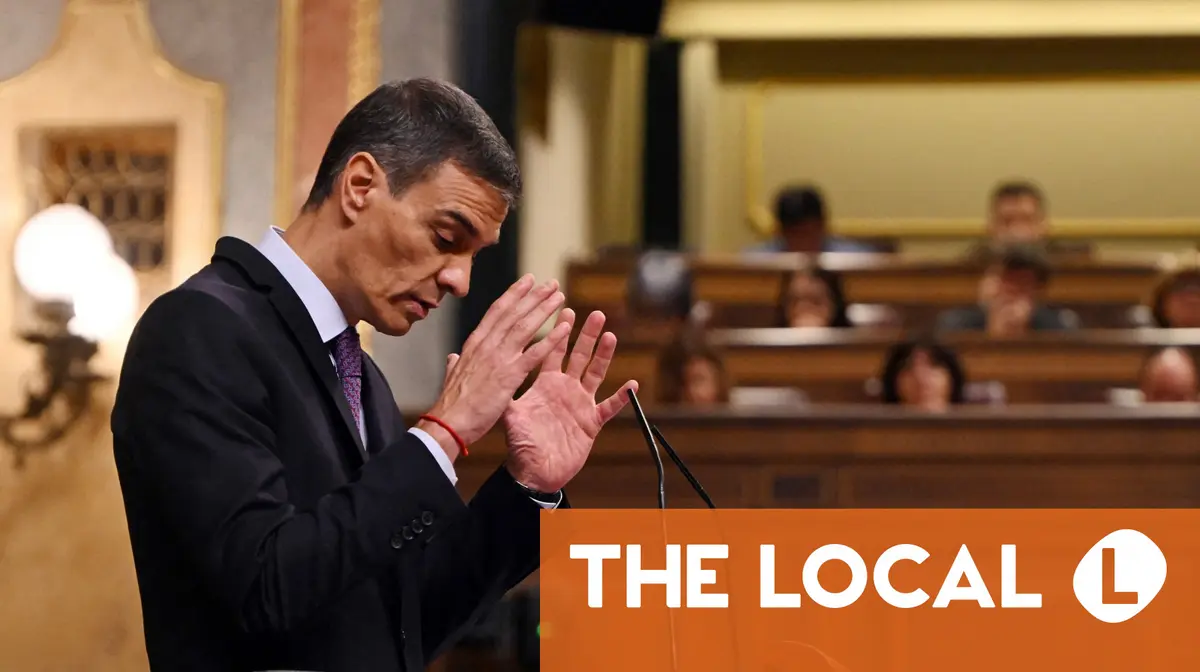
The Spanish government has announced that it will seek to implement a raft of new measures to mitigate the economic effects of the war in Iran.
This coming Friday, March 20th, the Spanish government is to hold a special cabinet meeting to discuss and approve a wave of new measures aimed easing the effects of the war in the Middle East.
This will take place just one day after the European Council meeting in Brussels, which will address the consequences of the conflict.
This response plan will include fiscal, energy and social measures such as tax cuts and subsidies.
READ ALSO: How will war in Iran impact life in Spain?
“The plan will protect the most vulnerable and the sectors most affected by rising prices,” the government stated.
One of the most important measures will be to reduce the tax burden on electricity bills, with the aim of curbing price increases. The government is considering reinstating VAT reductions on electricity, similar to those implemented during previous crises like the war in Ukraine.
The agriculture and food sector could also be significantly impacted by the war due rising fuel and fertiliser costs.
Ignacio Silva, president of the Spanish Federation of Food and Drink Industries told the government that “the impact is immediate,” especially regarding fuel and the rates paid for transporting goods, as well as insurance, and importing raw materials.
The government already announced that they have ruled out a reduction in VAT on food products, but are looking for other ways to help the situation.
Minister of Labour, Yolanda Díaz, said that a reduction in the VAT on food “only widens the profit margins of the distribution sector. We’ve already seen this, and prices didn’t go down,” she argued.
Advertisement
The Minister of Economy, Trade and Business, Carlos Cuerpo has said that the government is prepared to respond flexibly and expand the aid package “if necessary”.
He also indicated that the government has already launched initiatives to keep an eye on fuel costs at more than 12,000 service stations across Spain.
The Minister of Social Rights, Consumer Affairs, and the 2030 Agenda, Pablo Bustinduy, confirmed that the meeting will also approve “the first measures of the social safety net to protect working families from the effects of this war”.
This is similar to what was implemented during previous crises, with protective measures for the most vulnerable households, such as preventing utilities from being turned off for those with low incomes.
READ ALSO: How will the war in Iran affect the property market in Spain?
Advertisement
“A war cannot be an excuse for large corporations to inflate their profits. We want any fiscal measure adopted to be accompanied by regulations to prevent large corporations from increasing their profit margins,” Bustinduy added.
Sara Aagesen, Third Vice-President and Minister for Ecological Transition and the Demographic Challenge, said ahead of the meeting: “we have many measures that already yielded good results in the past during the Ukraine crisis in 2022. This isn’t about applying band-aids, but about developing a longer-term vision”.
Although the measures are expected to be approved this Friday, they must be ratified by Congress within one month before they come into force.
