
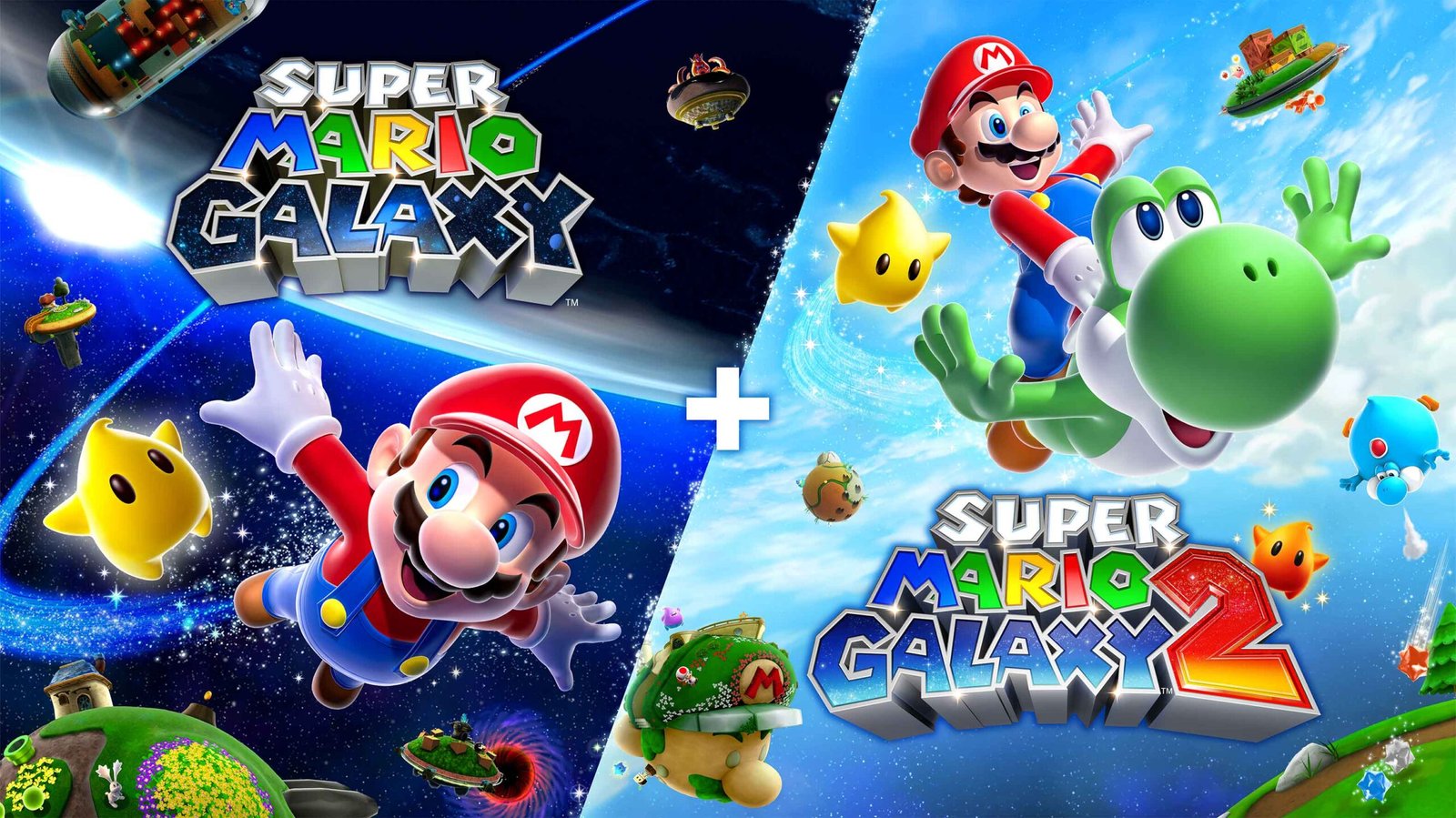
Confession time: I’m a relative newcomer to the Super Mario Galaxy duology. My memories of playing a bit of the first game with a friend literally 15 years ago as someone who didn’t own a Wii are faint, and I never even touched the sequel. As such, I’m the perfect audience for the new Super Mario Galaxy and Super Mario Galaxy 2 remasters for Nintendo Switch (with a free Switch 2 update), and I jumped into them with much interest. Unfortunately, the way they’ve been repackaged and sold leaves a bit to be desired, to say the least.
But of course, let’s get one thing — the most important thing — out of the way. The games themselves are incredible. Really, do you even need me to tell you that? They’re tied for the fourth-highest-rated game of all time on Metacritic for a reason. In particular, their inventive gravity-based mechanics and immaculate level design are some of the greatest in gaming — that was true in the Wii era in which they were originally released, and it remains true now.
Indeed, there’s nothing quite like making a 180-degree gravity-defying dash across a planet’s surface to a Launch Star and using it blast off into the radiant skies as Mario stretches out his arms to twist and soaring gracefully to the tune of some truly rousing orchestral pieces. It is, in a word, magical. Nobody really does it like Nintendo when it comes to making masterclass platformers. And the iterative sequel, which has the same gameplay loop (and even begins pretty much the exact same way), introduces its own fun wrinkles, with the highlight easily being the ability to ride and command Yoshi. (The fact that his tongue can be used to eat — or, in the case of something like the Piranha Plant, pull and uproot — enemies and objects that would otherwise be hazardous for Mario is especially novel.)
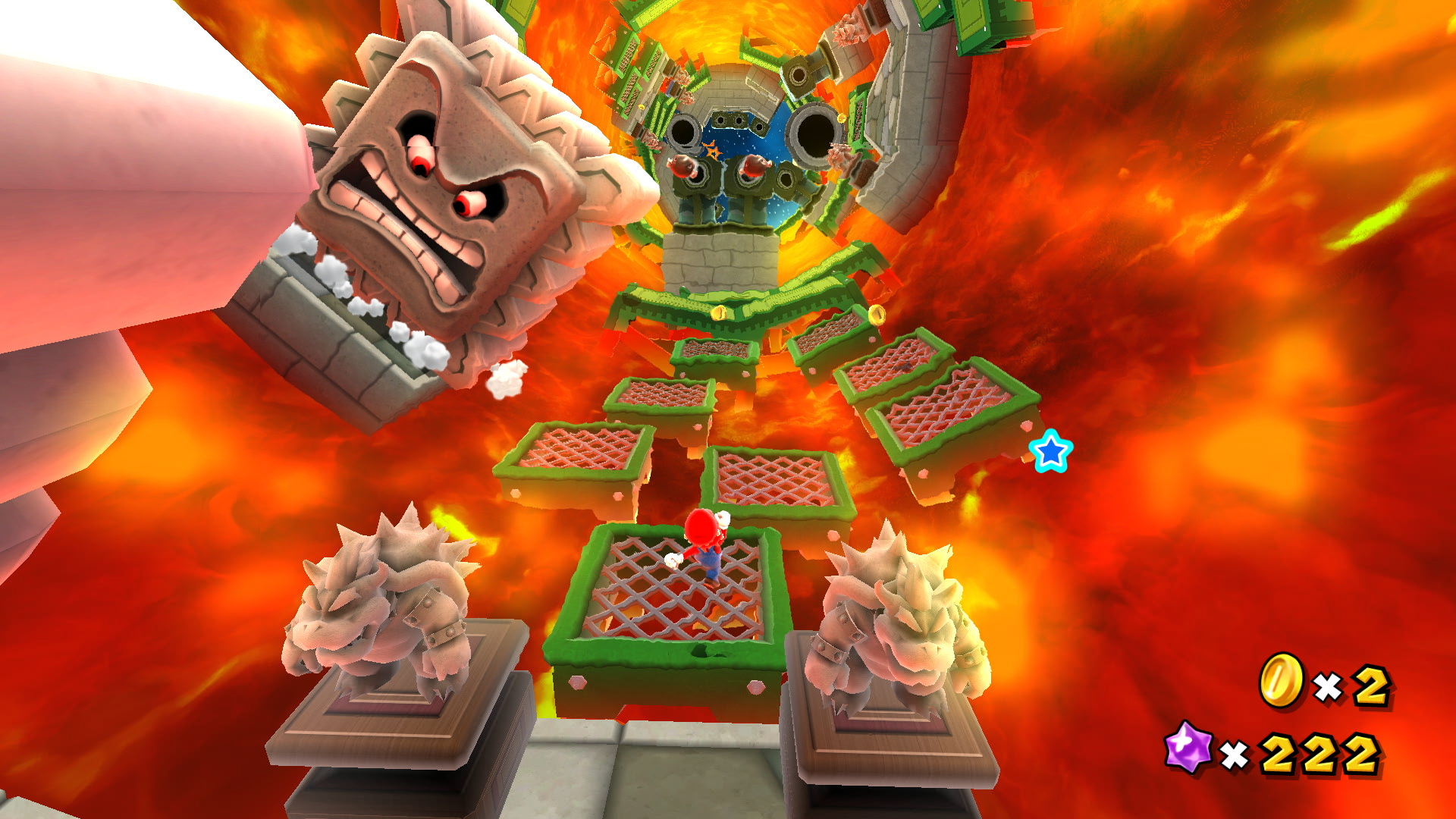
As someone who’s ostensibly playing these games for the first time, I adored all of this. The sheer variety in the levels and their respective themes and gimmicks is staggering, even after all these years. And the structure of the games, wherein you get one Power Star at a time before returning to your hub area, lends itself well to the pick-up-and-play nature of handhelds like the Switch and Switch 2. As we’re in that end-of-year period where there are arguably too many games, I’ve especially enjoyed being able to chip away at the Galaxy titles like that.
With all of that said, you should know that you’re not getting a whole lot of enhancements with these re-releases. Yes, the graphics are improved to 1080p, especially on Switch 2, where you get 4K resolution support when docked. Super Mario Galaxy also gets a slight bump from the 2020 3D-All Stars Switch remaster that included it, with some textures having since been redone.
But beyond that, it’s pretty underwhelming as a new package. The biggest addition is extra Storybook Chapters featuring fan-favourite character Rosalina and her Lumas in the first game and other Luma siblings in the second. This is a Mario game, of course, so this story content isn’t anything overly special, but it’s nonetheless nice complementary content. On top of that, Nintendo has introduced a music player, which is at least a nice touch since the score is spectacular.
Given that this remaster is part of Nintendo’s broader Mario 40th anniversary celebrations, though, it would have been nice to see some additional material that celebrates that history, like, say, the concept art and other images that Capcom included in the Mega Man Legacy Collection.
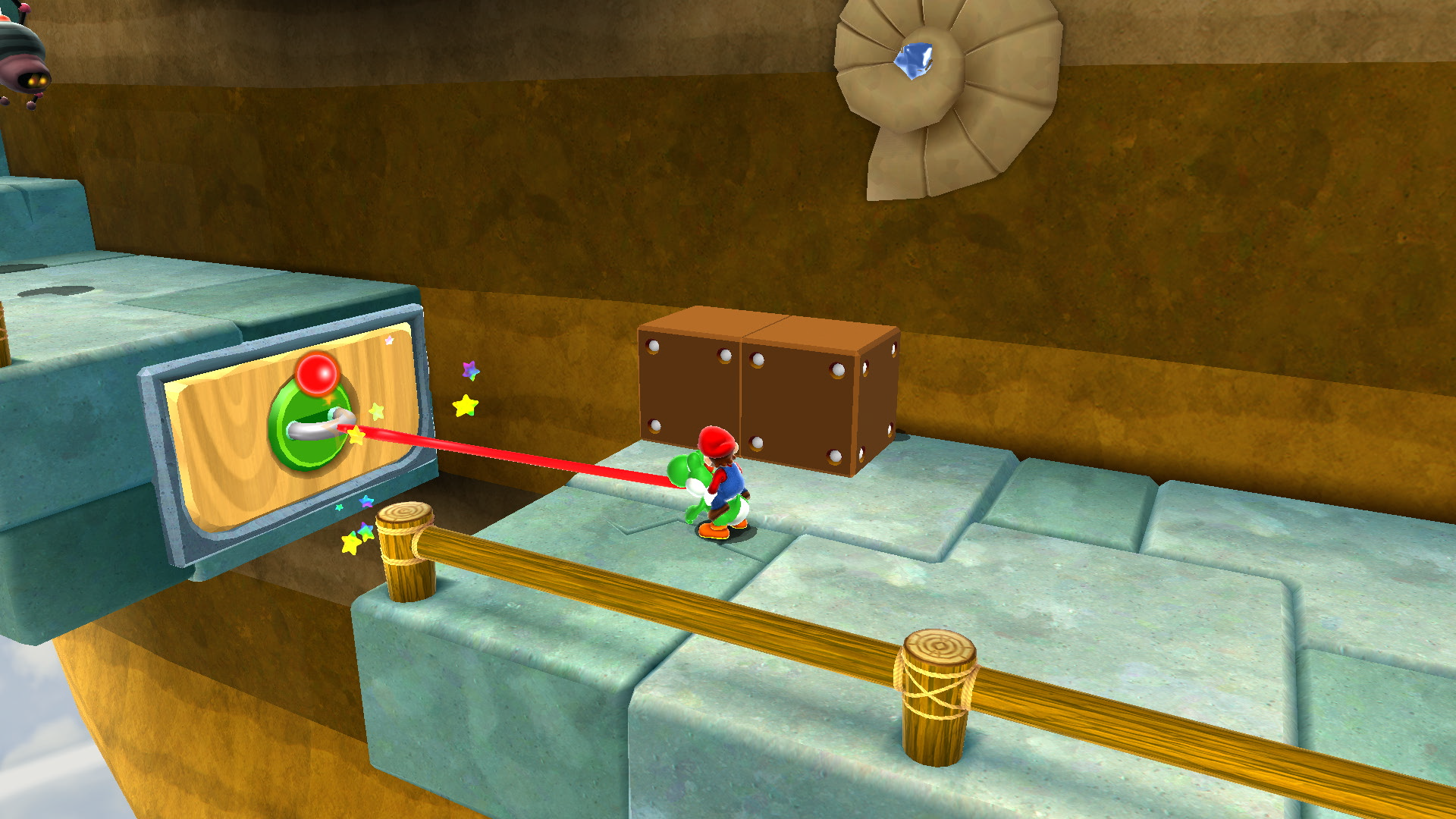
Otherwise, the other changes are mostly minor ones to the gameplay itself. The new Assist Mode gives you more health and recovery from falls, which, even with the game already being pretty forgiving, would at least be good for kids or other beginners. And this time around, you can use the motion-controlled Joy-Cons or, in my case, a Switch 2 Pro controller, to replace the Wii Remote and Nunchuks. While these gimmicks aren’t exactly ideal in 2025, especially in minigames involving the gyroscope-controlled racing and Monkey Ball-esque ball steering, they’re forgivable considering they’re originally Wii games that were built around them.
But the biggest reason as to why I’m more mixed on these remasters is their pricing. Frankly, $54.99 each or $99.99 for them both is outrageous. These are Wii games, after all! While Nintendo games have always been on the pricier end, the cost of the Mario Galaxy remasters even feels egregious compared to other Nintendo re-releases. The gold standard would be Prime Remastered, which costs $54.99 (up $5 following a price hike for original Switch games) and brings significant visual and mechanic enhancements on par with a remake.
Or let’s look at other entries in the Mario series. The aforementioned 3D All-Stars, which is bafflingly no longer available due to a limited-time release, cost $80 in Canada and included Mario 64 and Super Mario Sunshine alongside Galaxy. Or look at the still-available Super Mario 3D World + Bowser’s Fury, which currently costs $84.99. While you could also argue those prices are steep for re-releases, 3D All-Stars at least included more content (including two even older, rarer games), while Mario 3D World‘s titular acclaimed Bowser’s Fury expansion added up to eight hours of brand-new content.
That’s to say nothing of other remasters. Also dropping this week is Final Fantasy Tactics: The Ivalice Chronicles, a much more substantial reworking — in this case, of a 40-plus-hour PS1 game — that’s priced at $66.99. Meanwhile, full-blown massive remakes of the likes of Final Fantasy VII, Resident Evil 4 and Silent Hill 2 cost around $90 at launch, still slightly less two-pack of Mario Galaxy remasters. Really, their higher price just feels like a calculated way to capitalize on next year’s The Super Mario Bros. Movie sequel, The Super Mario Galaxy Movie.
Ultimately, then, my recommendation for these Super Mario Galaxy remasters comes with many caveats. If you’ve already played these games before, there’s just not enough new here to justify the steep cost. Those who are new to the games like me, though, will at least get a lot more out of them, as amazing as they are. But even then, it’s a big asking price, especially as I recognize that I come from the privileged place of getting to review them for work. If you’re dying to play them, I’d say (begrudgingly) the jump, but otherwise, you might want to wait for the (incredibly rare) price drop.
Super Mario Galaxy and Super Mario Galaxy 2 will launch on October 2.
Image credit: Nintendo
