
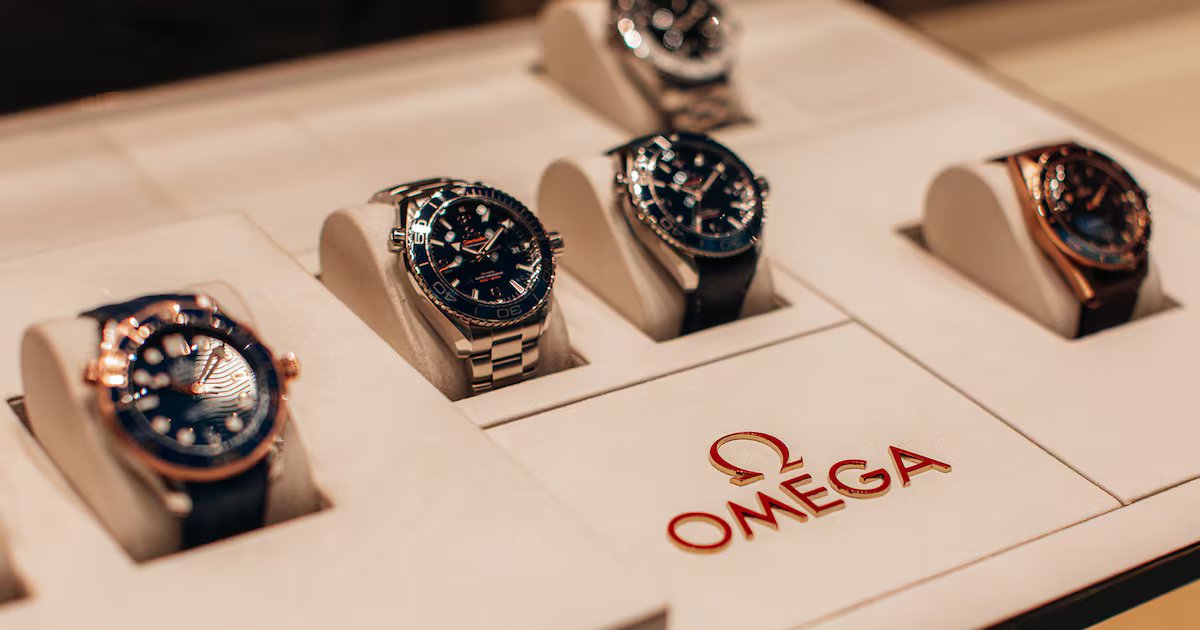
Swatch Group AG forecast strong growth for this year after the maker of Tissot and Omega watches saw a rebound in demand over the second half of 2025.
Positive momentum that accelerated in the fourth quarter continued in January across all price categories, Swatch said Friday. Sales rose 4.7 percent at constant currencies in the second half, and 7.2 percent in the fourth quarter.
The shares posted the biggest intraday gain since October, rising as much as 10 percent in Swiss trading.
The upbeat guidance follows a difficult 2025, when operating profit tumbled by more than half as the watchmaker grappled with persistent weakness in China and declining exports to the US following the imposition of tariffs. There are signs the China slump is easing, chief executive officer Nick Hayek said in an interview on Friday.
“In China, you see a very strong development across all segments and especially in the entry level and mid range,” he said. “We are not at the levels that we have been some years ago, but the situation is clearly picking up.” The slowdown is abating even after Swatch reduced its wholesale distribution in the country by 15 percent from the year before.
The company “delivered a healthy improvement in the second half and fourth quarter revenue trends,” said RBC analyst Piral Dadhania. He added, however, that the earnings miss is “material” and that further consensus downgrades are likely for 2026 and 2027.
Hayek cited the Swiss franc’s strength as the main headwind for watchmakers. “The strong Swiss franc is hitting Switzerland and the whole industry,” he said. “That’s the real problem, not tariffs.”
Foreign exchange swings had a 308 million-franc negative impact on sales in 2025.
The Swiss National Bank needs to “wake up” to the issue, Hayek added. Over the past year, the franc rallied by more than 18 percent against the dollar, making exports from Switzerland less competitive and reducing the value of overseas revenue when converted back into the currency.
Swatch shares halved in value over the past three years through Thursday’s close, and the firm is now among the most shorted stocks on the wider European benchmark.
The watch industry was jolted last year when president Donald Trump levied tariffs of as much as 39 percent on imports from Switzerland — the highest rate applied to any developed economy. The duties were retroactively reduced to 15 percent, still well above historical levels.
The results came alongside industry figures showing that Swiss watch exports returned to growth for the first time in four months in December as brands rushed to send inventory to the US after it eased tariffs.
Swatch’s production unit saw negative results last year after the group decided to maintain capacity and jobs and forego compensation for reduced working hours.
“A swift return to volume growth is critical to rebuild operating leverage and cash generation, while inventories — now at record levels relative to sales — will need to come down,” said Vontobel analyst Jean-Philippe Bertschy in a note.
Hayek played down concerns over inventories.
“Our inventory are long lasting, fantastic products or movements — its not an issue,” said Hayek. Over a third of it is in gold and diamonds.
Succession
As for the push for governance and board changes from Steven Wood, the founder of US-based Greenwood Investors, Hayek said “of course we will have to add and we will add people and proposals to the board.”
“We feel no pressure, it’s a constant process,” he added. The row with Wood is now in its second year after the activist investor failed to get on the board himself in 2025.
On the question of succession at Swatch — which was founded by Hayek’s father Nicolas — the CEO said the next person to assume the top job won’t have to be a member of the family, but will be someone “within the group and DNA of the company.”
By Allegra Catelli
How Watchmakers Are Dealing With Soaring Gold Prices
As gold tops $4,600 per ounce, executives including Breitling CEO Georges Kern are bracing for a hit to margins. Solutions range from seeking new materials to raising prices or postponing gold purchases.
