
When Nemesio “El Mencho” Oseguera, leader of the Jalisco New Generation Cartel, was killed by Mexican special forces on Sunday, it was just two days after I had returned home to Canada from my latest Mexican trip to see family and have some fun. As a Mexican Canadian, I visit Mexico fairly regularly.
Armed with photos and videos of good times I’d had in Mexico City and Puerto Escondido, I was ready to tell all my friends and coworkers on Monday morning how incredible Mexico is. Then El Mencho happened.
A change of image overnight
Soon after his death was reported, televisions and newspapers around the world were filled with images of Mexican cities in lockdown, of fiery road blockades, of shootouts. So by the time I resumed my daily life on Monday, all people back home in Canada wanted to ask me about was the cartels.
It disappoints me, since El Mencho’s death and the resulting unrest reinforces negative stereotypes about Mexico for those who have never been there. Friends have been asking me in the last 24 hours more than ever if Mexico is safe. And it angers me that I can’t debunk their concerns since they’re not exactly unwarranted this week.
Even more frustrating is that now, whenever I speak glowingly about the country I love, people who have never been to Mexico can knock it down simply by bringing up El Mencho.
Since I’ve been in elementary school, I’ve always told my friends, and whoever would listen, about my wonderful memories of Mexico. And when some of them have brought up negative stereotypes — everything from cartel violence to kidnappings to dangerously unsanitary food vendors — I’d often respond that that wasn’t my experience in Mexico, because it’s true and also because I wanted others to enjoy Mexico the way I have for the last three decades.
But how can I refute people’s concerns now, after we’ve all seen cars set on fire in Puerto Vallarta? How can I only speak about the many positives of Mexico when a friend in Guadalajara couldn’t leave his Airbnb for security reasons? Or when there were mass road blockades and school cancellations due to safety concerns in multiple Mexican states?


Will the World Cup be affected?
Unfortunately, this isn’t the first time something like this has happened in Mexico, and frankly, it likely won’t be the last. The capture of Sinaloa Cartel head El Chapo in 2016 comes to mind. There’s also the first time Mexican authorities captured El Chapo’s cartel boss son, Ovidio, in 2019 and so much cartel violence erupted in Culiacán as a result that the president told the police to release Ovidio, for the public’s safety. But neither of those events has stopped me or millions of people a year from visiting Mexico.
Somehow, though, the El Mencho killing feels different. A part of that is obvious: Guadalajara is one of Mexico’s cities planning to host the World Cup in four months. Will things settle down before then? Things are basically quiet there now, but what happens if El Mencho’s cartel, the Jalisco New Generation, regroups — or if factions begin a violent turf war? The fact that I can’t say these things won’t happen is really troubling.
I saw firsthand on my recent trip how much Mexico is preparing for the World Cup this June: All the construction happening in Mexico City’s Benito Juárez Airport alone made it evident. But after the messy takedown of El Mencho, all the effort and goodwill Mexico has put into being a great co-host may go to waste. There are already issues with how the United States is treating the responsibility of hosting a World Cup, but I never thought Mexico would also pose its own set of problems.
Still, there’s a real chance that by then, the dust will have long settled and foreigners will be visiting Mexico again without a clear and present fear of cartel violence. The optimist in me also hopes that everyone who visits the host cities for the World Cup — Guadalajara, Mexico City and Monterrey — will leave with a positive impression of Mexico. The CJNG has never represented the whole country, and to have that label hanging over Mexico’s head thanks to one man is unfair.
Mexico: Too good to give up on
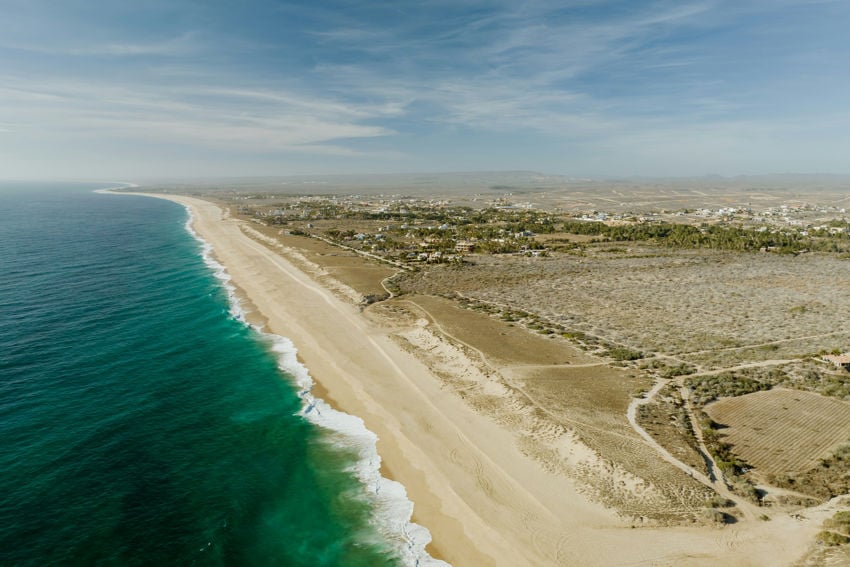
So, do I think Mexico will eventually overcome this moment and continue being a beloved place to visit? Yes, if only because it’s too good to ignore: the historic charms of Mexico City; the technology and innovation in Monterrey; the food culture and old traditions of Oaxaca; the ancient Maya sites all over Quintana Roo; pretty colonial towns like Merida; and, yes, the vacation energy of places like Puerto Vallarta. I haven’t even scratched the surface of all that Mexico has to offer with this list, and that’s precisely my point.
While the insecurity associated with El Mencho’s death may be front page news this week, Mexico is not down for the count.
Not only is Mexico too amazing to leave behind, the Mexico that I and so many others love is nothing if not resilient. It knows how to pick up and rebuild.
And so, despite what the world — and my friends back home — may think of Mexico right now, what I can and do say to folks who ask is that Mexico is still home to stunning natural beauty, a history going back millenia that’s studied worldwide and creative arts unlike anywhere else, all of which the cartels have never been able to destroy, or scare visitors away from for too long, no matter how many El Chapos, El Menchos and El Mayos come and go.
That’s because no matter how it might feel right now, the cartels don’t define Mexico; Mexico’s people do — the majority of whom are the kindest, hardworking, generous — and happiest — people out there.
And when El Mencho is inevitably forgotten and in the dustbin of history, this is this Mexico I’ll still be telling my friends about.
Ian Ostroff is an indie author, journalist and copywriter from Montreal, Canada. You can find his work in various outlets, including Map Happy and The Suburban. When he’s not writing, you can find Ian at the gym, a café or anywhere within Mexico visiting family and friends.
