
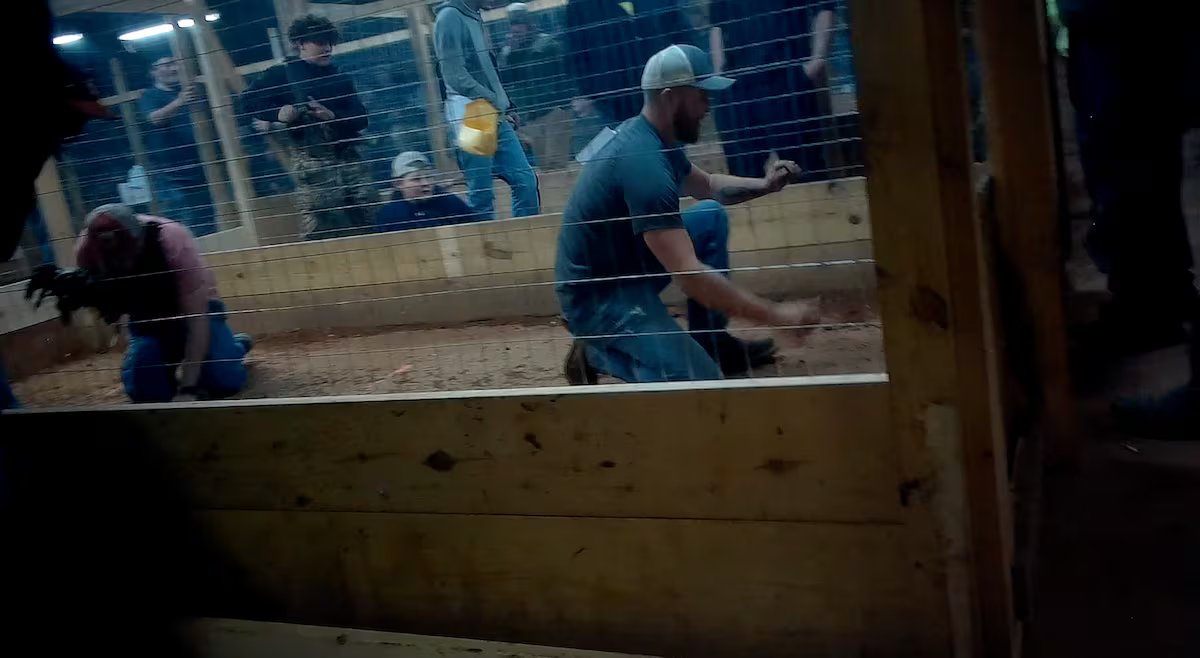
Cockfighting is an important aspect of organized crime in both the United States and Mexico, serving as a link to various illicit activities, including drug and arms trafficking, illegal gambling, and violence. According to investigations by Animal Wellness Action and the Center for a Humane Economy, two U.S. non-governmental organizations, Mexican cartels often use these clandestine events for meetings, money laundering, and as a platform for settling disputes. Through their research, these organizations have revealed how the illicit trade operates between breeders and organizers of these animal fights in the U.S. and the drug cartels that largely control the cockfighting arenas south of the border.
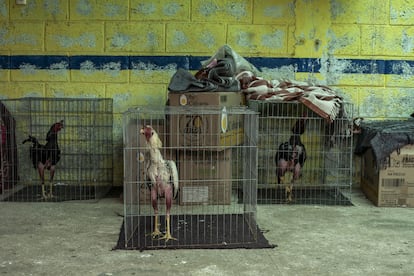
According to Wayne Pacelle, president of Animal Wellness Action and the Center for a Humane Economy, the United States has become the world’s leading breeder of fighting roosters. He warns that breeders in the U.S. operate illegally in states like Texas, Oklahoma, Louisiana, and Arizona, where they breed millions of birds each year. These birds are then sent to 30 countries, including Latin American destinations like Colombia and Ecuador, but primarily south of the Rio Grande.
“Mexico is the main destination for these birds. While this is a federal crime under U.S. law, some of the receiving countries legally permit cockfighting. This has been going on for four decades, but with the increase in trade and air and land transport between the United States and Mexico, the situation has worsened,” Pacelle explains via video call.
According to the investigation, Mexico has a significant cockfighting industry and venues where these illegal fights take place. These are located primarily in border cities adjacent to the U.S., though the report does not specify exactly which ones are located south of the border.
“American cockfighting breeders supply hundreds of thousands of fighting birds to Mexican cartels every year. A trio of these birds can sell for up to $5,000,” says Pacelle. “This cross-border trade also involves money laundering, drug and arms trafficking, and transnational violence, with billions of dollars illegally wagered on cockfights in Mexico.”
The investigation reveals that American cockfighting breeders coordinate with their accomplices in Mexico, who are linked to various criminal organizations. The investigation has shown that the so-called Texoma Cockfighting Corridor, stretching from Tulsa to Dallas in the U.S., is a nerve center of this criminal network, which is also involved in drug trafficking and money laundering.
Another publication by Animal Wellness Action, dated March 2025, notes that Texas is a particularly important state in the struggle to eradicate animal fighting. Due to its extensive border with Mexico, several interceptions have been carried out, including a police operation in which officers made an unusual discovery: roosters hidden in passenger vehicles, according to various press releases from U.S. border authorities.
“In February [of 2025], Border Patrol and Customs agents working at the Paso del Norte international crossing confiscated 180 rooster spurs and 7,500 animal steroid tablets from a traveler arriving from Mexico,” details a fragment of the NGO publication.
These venues have also been the scene of violent incidents. In recent years, there have been several mass shootings at cockfights in Mexico. In March 2022, 20 people were killed at an arena in Michoacán. In January 2024, another mass shooting in Guerrero left several dead and wounded, including a 16-year-old U.S. citizen.
According to various security sources and NGOs that monitor these types of cases, criminal organizations such as the Sinaloa Cartel, the Jalisco New Generation Cartel (CJNG), and the Gulf Cartel are actively involved in cockfighting operations. For example, Nemesio Oseguera, alias “El Mencho,” the leader of the CJNG who was killed last month in an operation by the Mexican army, was also known as “The Lord of the Roosters,” a nickname that referred to his alleged fondness for fighting birds.
Another member of this criminal organization who was “deeply involved” in the underworld of cockfighting, according to the NGOs in charge of the investigation, was Cristian Fernando Gutiérrez-Ochoa, El Mencho’s son-in-law, who was arrested in November 2024 in Riverside, California, where he was charged with drug trafficking and money laundering after living under a false identity created by the former cartel boss.
The NGOs’ investigation indicates that some of the leading American cockfighting breeders operate breeding and fighting operations on both sides of the border, allowing them to supply drug traffickers and other organized criminals. They cite the example of Brent Easterling, from Verbena, Alabama, who was arrested in 2022. According to the investigation, he was one of these operators and had cockfighting complexes in both the U.S. and Mexico. However, illicit cockfighting operations between the two countries are not limited to the border; they also extend to the Philippines, where the World Slasher Cup, the world’s most prestigious cockfighting tournament, considered the “Olympics” of the sport, is held in Manila.
Pacelle notes that 800 cockfights were held in Manila at the end of January during this tournament. He states that investigators from the NGOs he directs were present at the World Slasher Cup and documented the presence of American cockfighters in the center of the fighting arenas, illicitly transporting their birds for the fights and selling them illegally. “In a single year, more than $13 billion was wagered in the Philippines on e-sabong [online cockfighting].”
According to records kept by Animal Wellness Action and the Center for a Humane Economy, up to $2,000 was paid for each bird, as breeders in the United States know how to promote and sell them as roosters from farms that win international tournaments. “That’s why cartels and other groups in Mexico want to pay for these high-performance fighting roosters. Millions of dollars are wagered on these fights. Money is also at stake in the exchange of the roosters. It’s worth mentioning that Mexican breeders also transport roosters to the United States,” Pacelle explains.
Cockfighting is prohibited in states such as Veracruz, Quintana Roo, Coahuila and Mexico City, while in other states such as Nayarit, Zacatecas, Tlaxcala and Aguascalientes it is part of local tradition.
The animal rights activist believes that the U.S. and Mexican governments do not understand the seriousness of animal cruelty, its connection to large organized criminal networks, or the effects of these illicit businesses that are linked to violence between people.
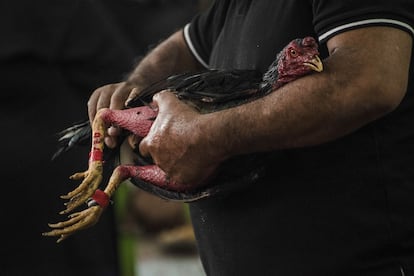
“When governments dismantle cockfighting, they will make our countries safer. Therefore, U.S. law enforcement must improve its work. Mexico must ban cockfighting nationwide. This is a disgusting and barbaric activity in which animals have curved knives or ice picks, called hooks, attached to their legs. They kill each other in a pit from which they cannot escape, just for fun and for illegal betting by spectators and other participants,” Pacelle states.
Sign up for our weekly newsletterto get more English-language news coverage from EL PAÍS USA Edition
