
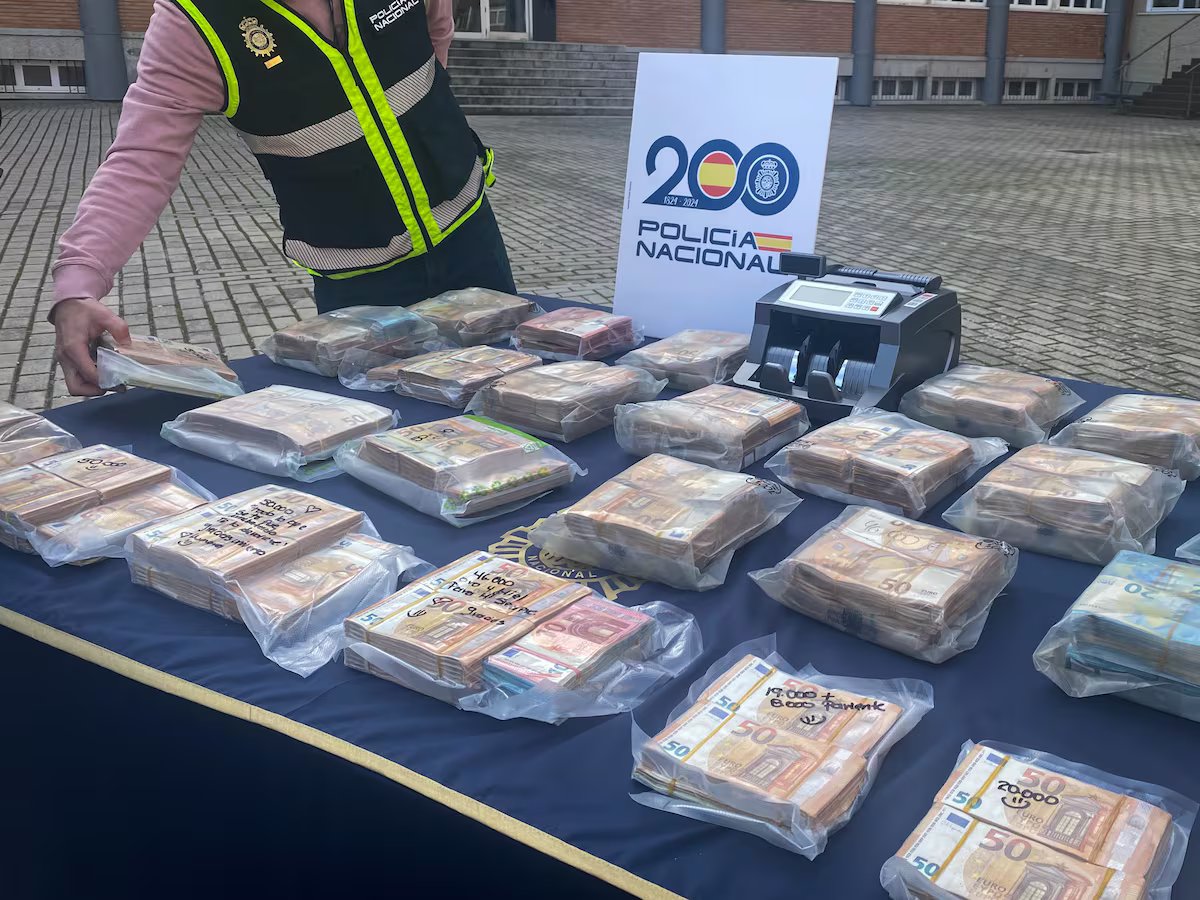
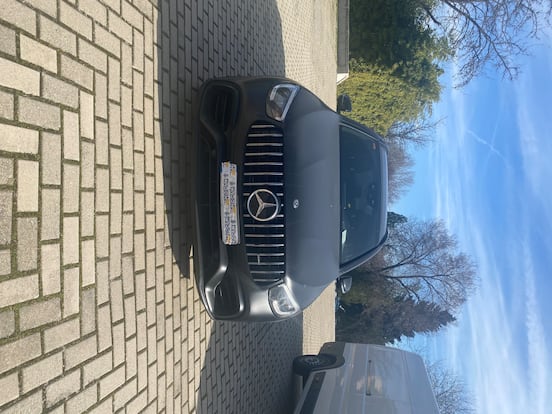
Paula Andrea, the alleged leader of a drug‑trafficking organization, was caught on February 13 fleeing her home in Madrid with a little over €1 million ($1.18 million) in cash. The money, stuffed into supermarket raffia bags, was split between the trunk and the back seat of her car, a high‑end Mercedes valued at more than €140,000 ($165,00).
Police believe someone from her circle tipped her off that the group had been taken down. The rest of the members — 11 men — had just been arrested in an industrial warehouse in Alcobendas in the Madrid region with more than 3,200 kilos of cocaine, military weapons, and other items linked to drug trafficking, including a satellite antenna used to maintain connection on a narcolancha. All of them have been placed in provisional custody.
Paula Andrea, around 47 years old, was in charge of managing the accounts. Investigators place her at the top of the criminal group alongside Gilbert, her ex‑partner, who oversaw the logistics. Two of the accountant’s sons are also among those arrested.
That Friday, February 13, the woman grabbed some clothes, documents, and the million euros in cash. The money was divided into vacuum‑sealed bundles of varying amounts. Most were packages of €50,000 ($59,000). Some of the seized stacks of bills, wrapped in transparent plastic, were decorated with hearts and smiley‑face emojis and bore spiritual affirmations such as “Gold and honey for me always” or “Everything that has been taken from you, I will return. Thank you, Universe.”
“It’s likely that before officers reached the back of the warehouse where they were arrested, someone warned the boss,” explains one of the investigators involved in the operation, which the Spanish National Police reported on Tuesday. When this police force plans to arrest drug‑trafficking organizations, it usually deploys the Special Operations Group (GEO), specialists in high‑risk situations. The agents sweep the area slowly and secure it step by step; during that window of time, she may have been alerted.
The total amount of drugs seized — 3,400 kilos of cocaine— sets a record for the Madrid region, where it is unusual to intercept such a large shipment at once. But what has drawn the most attention is not the quantity, but the group’s elusive and innovative methods.
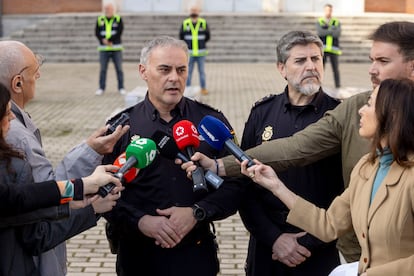
The organization operated as a “service provider” for other traffickers and may have been active “for several years,” depending on demand. “They had the structure and the nerve required to move 3,400 kilos of cocaine,” said Chief Inspector José Francisco Podio of the Central Unit for Drugs and Organized Crime (Udyco Central) during a press conference at the Canillas Police Complex in Madrid.
The group was responsible for collecting drug shipments on request in southern Spain — especially in river areas — and transporting them in convoys to Madrid, where they handed them off to the next link in the trafficking chain. Members posed as construction workers. They entered and exited the two warehouses under investigation — one in Alcobendas and the other in Fuente del Saz — dressed as laborers, and they carefully chose the ideal times to travel by road, using rental vehicles. “They picked hours with heavy traffic or normal work activity to blend in,” explained Inspector Manuel Llorente of Udyco Madrid.
Udyco Madrid agents began investigating the group in mid‑2024, but paused when its members left for the Netherlands. After some time, they returned to Madrid and resumed operations, the agents say. Last July, the Central Narcotics Brigade received information from Sweden, Poland, and Portugal about a truck seized with drugs that had originated in Spain. The starting point of the shipment was the Alcobendas warehouse where most of the organization was eventually arrested and the cocaine seized “minutes after it arrived.”
During the investigation — dubbed Operation Tocada Space — agents documented one of the group’s drug‑transport routes: members traveled to an area near San Juan del Puerto (in the province of Huelva), spent several days sleeping around Seville, and then returned to Madrid.
The organization took extensive security measures when moving around, which made the investigation extremely labor‑intensive. Investigators said they relied on “old‑school” methods — long hours of surveillance and a great deal of patience.
Two of the seized vehicles had sophisticated hidden compartments, known as caletas. One of them, installed in a black Audi, concealed a storage space where they kept pistols and war‑grade weapons. On Tuesday, the car still had a black‑bead rosary hanging from the gearshift. The other caleta, built into a white vehicle, was designed to hide drugs.
Agents found the cocaine packed in bales, wrapped in gray coverings, each marked with a different colored tape and distinct logos. The packages had been sprayed with gasoline to mask the smell.
They also seized a wetsuit — still wet and covered in mud — and a Starlink antenna used to access the internet in areas without coverage. Investigators believe the wetsuit may have been worn by a representative of the organization that owned the drugs, to verify that the shipment was delivered exactly as agreed.
The investigation remains open. The financial side of operation is now being investigated by Spain’s Central Unit for Economic and Financial Crime (UDEF), and further inquiries are underway into the people who sent the drugs and those who were meant to receive them.
Sign up for our weekly newsletter to get more English-language news coverage from EL PAÍS USA Edition
