

Medical teams can explore the top telemedicine services for hospitals to enhance their workflows and ensure continuity of care. When health care providers have better tools, they can make more informed decisions and achieve the best outcomes.
1. TeleNeurology
TeleSpecialists is a leading provider of virtual medical services, particularly its TeleNeurology program. Participating medical teams use the TeleNeurology tools to connect with emergency consultants, reduce reaction time and provide personalized care for stroke patients faster. Rapid assessment with board-certified neurologists trained in stroke care improves the odds of better outcomes for incoming emergency department patients.
Key features:
- On-screen neurology consults within three minutes
- TeleNeuro cart for making any virtual consultant mobile in hospital hallways
- CT result sharing capabilities
- Value Stream Mapping for reducing door-to-needle times
2. Virtual Sitting

Preventing inpatient falls is easier with the Virtual Sitting tool from Teladoc Health. Hospital teams can monitor treatment devices and patient room overviews through secure livestreams. While physicians ensure their patients are recovering in comfort, Teledoc Health’s built-in artificial intelligence algorithm notes any developing factors that could contribute to falls based on incoming data.
Key features:
- One-way video feeds for continual bedside monitoring
- Streamlined workflows with virtual consultations
- Enhanced AI visibility through live feeds
- Automated data logging for better medical supervisory decisions
3. ePrescribe
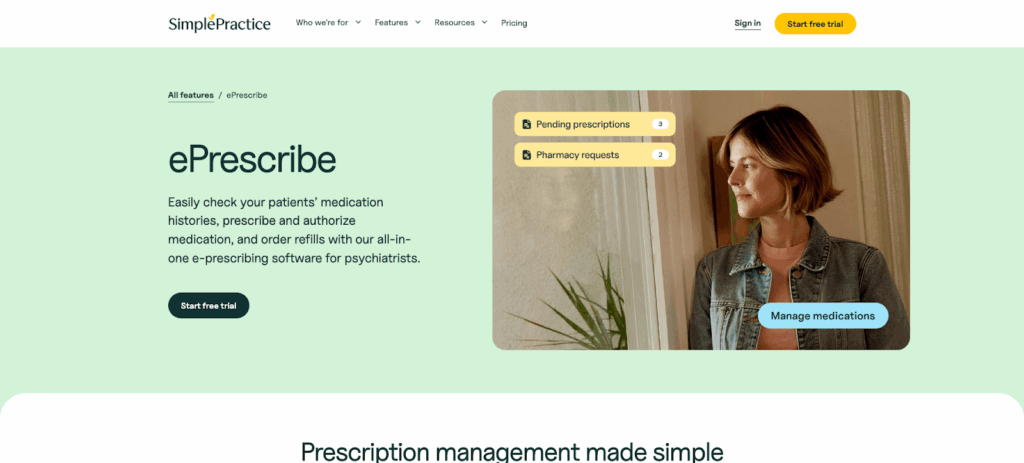
SimplePractice makes nurse workloads and hospital pharmacy duties easier with ePrescribe. The program protects sensitive patient data while allowing authorized users to prescribe medications, refill prescriptions and check individual patient histories. ePrescribe also helps providers identify patients who are most at-risk of overdosing if their treatment plans involve controlled substances. The HIPAA-compliant platform could save lives while simplifying hospital employee responsibilities.
Key features:
- Active prescription management tools
- Secure patient medical history logging
- Resources to prescribe and order medications
- Controlled substance use tracking to identify higher-risk patients
4. VSee Messenger
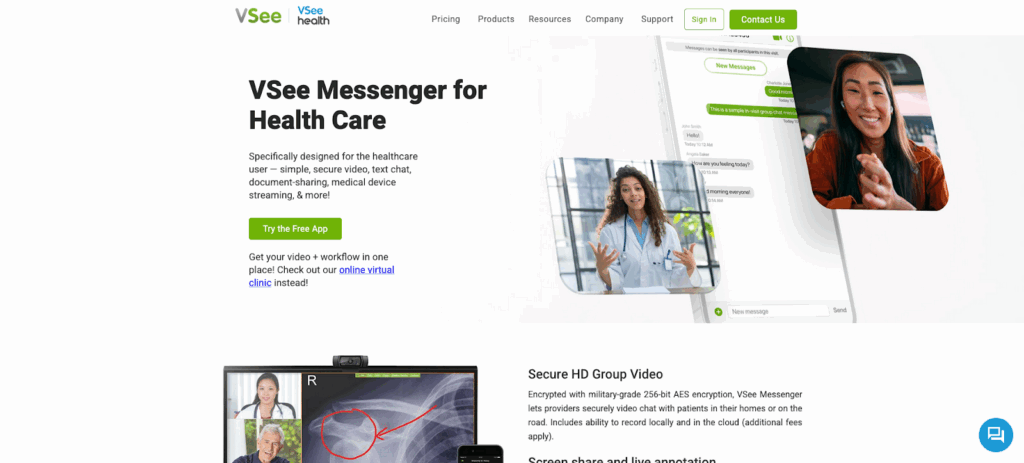
Communicating with patients can be challenging, but the VSee Messenger service simplifies medical care. The app is a secure place to video conference with patients, send chat messages and review medical imaging. Teams can use their existing work computers to provide virtual consultations or check in with outpatients. Group video and email support are also available for teams seeking more extensive care resources.
Key features:
- Military-grade, 256-bit advanced encryption standard security measures for video feeds
- Recording and local cloud storage available
- Screen sharing for document reviews with patients
- Text chat with photo sending capabilities
Criteria to Find the Best Telemedicine Service Providers
Numerous telemedicine companies offer a range of products. Hospital teams can identify the best solutions for their daily workflows by looking for factors such as:
- The latest digital security measures that protect sensitive patient data, regardless of the team’s department
- Budget-friendly pricing or tiered payment options so medical teams can access the latest tools, even during challenging financial periods
- Tools that meet patient and provider needs to help everyone benefit from their telemedicine experiences
Teams should consult each other to discuss which features they would prioritize in their telemedicine platforms. When they find solutions that offer the varying services they need to provide better patient care, their hospital will become a preferred place to access medical care.
Key Benefits of Telemedicine Services
Investing in telemedicine services is a significant step. Health care teams can feel confident in their decision by reviewing the top benefits that medical providers experience after implementing new digital resources.
Reduced Operational and Patient Costs
Leadership teams can reduce their overhead costs in numerous ways by investing in the top telemedicine services for hospitals. If their employees are getting more work done in less time, they can save money on payroll expenditures. Patients can also reduce their spending by avoiding costly travel fees or taking time off work to get the health care they need.
Better Patient Engagement and Access
Many people avoid making doctors’ appointments because the process can be challenging. Child care and work responsibilities are among the many reasons people skip seeing their health care providers. They also forget to attend scheduled appointments due to a lack of reminders from their hospital administrative teams.
Digital platforms help patients stay connected with their doctors by allowing them to do quick visits from home. Individuals in rural areas or living with mobility challenges could also get better health care access by avoiding a drive into town to consult their doctors.
More Efficient Daily Work
Telemedicine tools help medical providers work more effectively. They can streamline their patient consultations by having more case-specific data at their fingertips through digital platforms and cloud connections. Virtual visits also save time by reducing room turnover, allowing more emergent cases to receive in-person priority.
Discover the Top Telemedicine Services for Hospitals
There are numerous telemedicine services for hospitals that can make life easier for patients and physicians. Teams can compare the various programs offered by leading companies to pinpoint the best tools for their daily workflows.
