
Gear up
The proper gear can help protect anyone from injury. Quality footwear, supportive clothing, and appropriate protective equipment all work together to reduce the risk of injury and improve overall performance.
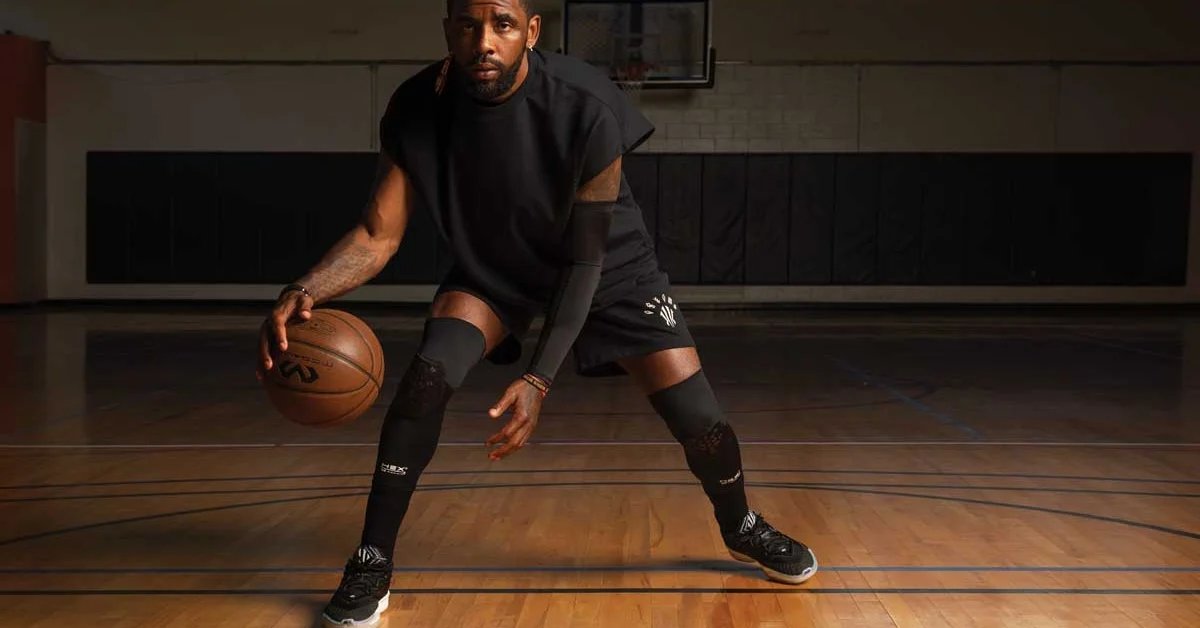
Irving, says protective gear helps him stay aggressive during fast and physical games, while knowing he is protected. “That peace of mind is everything,” he says. “It lets me focus completely on playing the game I love.” He has worn HEX products throughout his NBA career,
Among a multitude of options on the market, McDavid’s HEX line delivers lightweight and breathable designs that enable athletes to push harder and perform at their peak without restricting mobility.
Protective gear can guard key high-impact zones, while still allowing athletes to move fast and work hard. “For me, protection isn’t just about avoiding injury, it’s about having the freedom to push myself harder, knowing I’ve got the right gear on,” says Irving.
“Basketball is such a combative sport, and wearing HEX lets me stay aggressive and play my game at the highest level without worrying about the collisions that come with it,” says Irving.
Building a balanced base
While protective gear can shield you from impact, injury prevention goes far beyond equipment. Get back to the basics with steps that should be included in everyone’s fitness routines, whether you are a competitive athlete or like to hit the pickleball courts after work.
First, strength training, which “supports bone density, joint stability, and overall body control. This, in turn, can help with an individual’s balance,” says John Gallucci, Jr. MS, ATC, PT, DPT, the CEO of JAG Physical Therapy.
Strength-based injury prevention programs have been found to reduce the overall risk of injury among athletes by 30 percent, according to a 2025 study published in Orthopaedic Journal of Sports Medicine. Similar benefits were seen for groin, knee, and ankle injuries, with an even larger impact on preventing hamstring injuries.
While stronger muscles in the legs and hips can improve your balance, adding focused balance work to your workouts—which strengthens your body’s foundation—can give you even greater stability on uneven terrain or while zigzagging down the court.
In addition, stretching —also known as mobility work—can “keep muscles flexible and help reduce stiffness, which prevents compensatory movement patterns that can lead to muscle and joint strains,” says Gallucci. Research supports this, with both shorter- and longer-term stretching associated with a reduced risk of injury, especially in sports that involve running.
Gallucci emphasizes that healthy aging and injury prevention go hand-in-hand, and rely on a balanced approach to physical activity, nutrition, and lifestyle habits.
Rest for success
While structuring your workouts the right way can help keep you safe, sometimes it’s about what you don’t do that matters. Just like your body thrives when it has solid sleep every night, it also needs occasional rest days to recover from your workouts.
“Rest and recovery periods are essential components of any long-term fitness plan, since they allow the body to repair muscle tissue, restore energy, and adapt to training stress,” says Gallucci. “Without adequate recovery, adults risk overuse injuries, fatigue, and diminished performance.”
Recovery is not always about lying on the couch, though. It might also look like dynamic or static stretching, cross-training, or changing up the exercise intensity, time, and distance. “Staying active is essential,” says Gallucci, “but so is knowing when to modify movements or intensity to match one’s current capabilities.”
Getting adequate rest is equally important for your mind—refreshing you mentally and motivating you to stay active. Adults should aim for seven to nine hours of sleep each night according to the Centers for Disease Control and Prevention.
And when it comes to catching zzzs, sleep not only improves overall health, it can even enhance athletic performance and reduce the risk of injury and illness in athletes.
Get your head in the game
Another aspect that is sometimes overlooked but is at the heart of staying safe while exercising is mental resilience.
“Mental focus and mindfulness play an important role in injury prevention by helping adults stay aware of their body’s signals during movement,” says Gallucci. “Paying attention to your form, posture, and breathing improves exercise quality and reduces the likelihood of errors that can lead to injury.”
Studies show that mindfulness training may reduce the risk of injury among athletes, improve performance, and help athletes recover after injury. Similarly, “emotional awareness helps individuals recognize when stress or fatigue might be affecting their performance, allowing them to adjust intensity or take rest as needed,” he says.
By staying aware of your body, managing stress, and combining smart training with proper rest and protective gear, you can move safely, perform at your best, and enjoy movement for years to come. Irving notes, “it’s not just about injury prevention, it’s about having the freedom to compete with no fear.”
Supplements for strong muscles
|
Supplement |
Potential muscle benefits |
|
coenzyme Q10 |
may increase muscle strength in older adults |
|
collagen |
improves joint functionality and recovery from joint injury; may increase muscle strength in older adults |
|
creatine |
can help build muscle mass and strength in healthy young people; more research is needed in older adults |
|
protein powders |
can help you build larger and stronger muscles, especially if you do resistance training |
|
omega-3 fatty acids |
EPA and DHA can increase muscle mass and strength in older adults |
Wide range of protection
HEX products come in many levels of protection and support, and include leg and arm sleeves, short-sleeve sternum t-shirts, shorts, and knee, elbow, and shin pads.
Pro-tip
Many pro athletes, including NBA players, practice yoga which can boost flexibility, balance, and focus—helping them move faster, jump higher, and avoid injuries.
Pro-tip
With an estimated career free throw rate of 88.8%, Kyrie Irving shows how concentration, routine, and mental resilience—skills cultivated both on and off the court—are essential for success and well-being.
This article was originally published in the March-April 2026 issue of alive magazine (US edition).
