
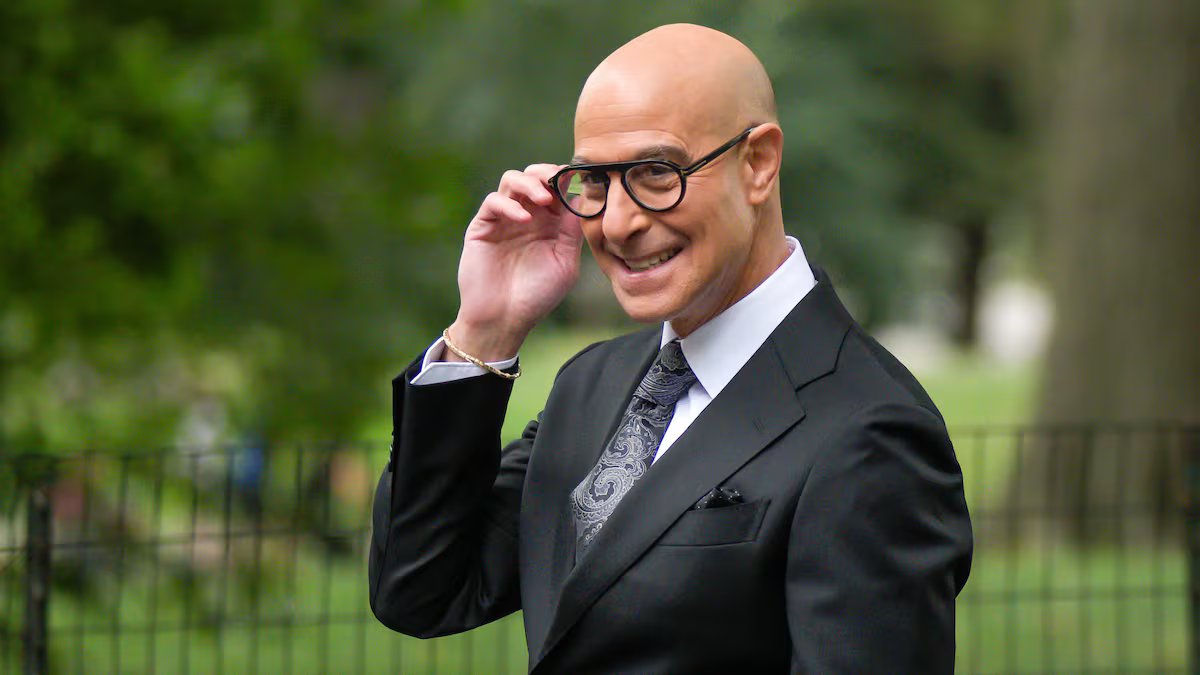
Last year, The Cut announced in an article written by journalist Cat Zhang that being bald was — finally — cool. “Just when it became normal to drop five figures on a thicker hairline, a new cultural vanguard rose up and said: “Fuck it, we bald,’” she asserted.
The promise of assimilation and normalization of baldness has been in the air for years, but has never wound up fully taking hold. Many people continue making trips to Turkey for hair implants, taking pills that promise capillary growth, or have started wearing hats everywhere they go. But in 2026, some of those affected by the social convention dictating that baldness is a sort of epidemic — and one that makes a person less attractive — have decided to take radical steps. This initiative (like so many others in our digital age) began on Reddit, one of the internet’s largest message boards, almost as a joke — but a joke that has escalated into something resembling a sociocultural avalanche.
The challenge was simple. You go to the online message board dedicated to hair loss care and admit you are bald. Nothing more, nothing less. You include photos, of course. No covering the cranium with four strands of strategically placed hair. No feigning continued possession of a dignified head of hair. None of that. It all started with a man who was sick of shaving his head, and today, involves a community in which a million and half people witness around 30,000 strangers a week join the group that now operates under a crystal-clear mission statement: “Welcome to r/bald! Our philosophy is simple: embrace bald and strive to make the world a more bald-friendly place. We’re often sold the idea that bald is bad. That’s bullshit.”
This notion of vindicating and normalizing baldness has also put r/bald on the radar of women who are undergoing chemotherapy, 20-something with a thinning mane and 50-somethings from around the world in the process of exorcizing a belief that has had a hold on us since ancient Egypt.
Traditionally, heroes always have a thick head of hair, exemplifying fertility and, in a certain way, a testosterone-driven connection with nature. In contrast, bad guys tend to be bald. “Classic comic book villains like Kingpin and Lex Luthor were bald, and even in films like 300, the bad guys have no hair [laughter]. I think a true change to those roles has yet to take place,” says the anthropologist Adrià Pujol. Illustrious bald men like Bruce Willis, Jason Statham, Stanley Tucci and Dwayne Johnson have made attempts to articulate a paradigm shift in an ecosystem in which people are slow to accept a hero experiencing hair loss.
Perhaps the strangest part about r/bald is that while its creation dates back to 2011, it wasn’t until the end of 2025 that it experienced a boom that coincided with an article published by the magazine Fast Company. That text spoke of how the subreddit’s overwhelming majority of positive comments had made it an oasis of good vibes, at a time when social media was convulsing, having been colonized by bots, trolls and perverse algorithms. A safe space, where kindness and laughter reigned and no one felt left out.
“Since the Middle Ages, the fat man, the short man and the bald man have dealt with disadvantages via the intelligent tactic of having a sense of humor. By laughing at one’s own condition, in many ways, you get society to accept you as you are. It’s a good sign that this is happening, especially these days. It says that we have made some progress, even if we still have a lot of work to do towards substantial change,” concludes Pujol.
Sign up for our weekly newsletter to get more English-language news coverage from EL PAÍS USA Edition
