
“The Krakow Film Festival aims to present cinema that defies algorithms and formats”
– As the Polish festival enters a new chapter, its president and its newly appointed artistic director reflect on its evolving role within the international festival landscape
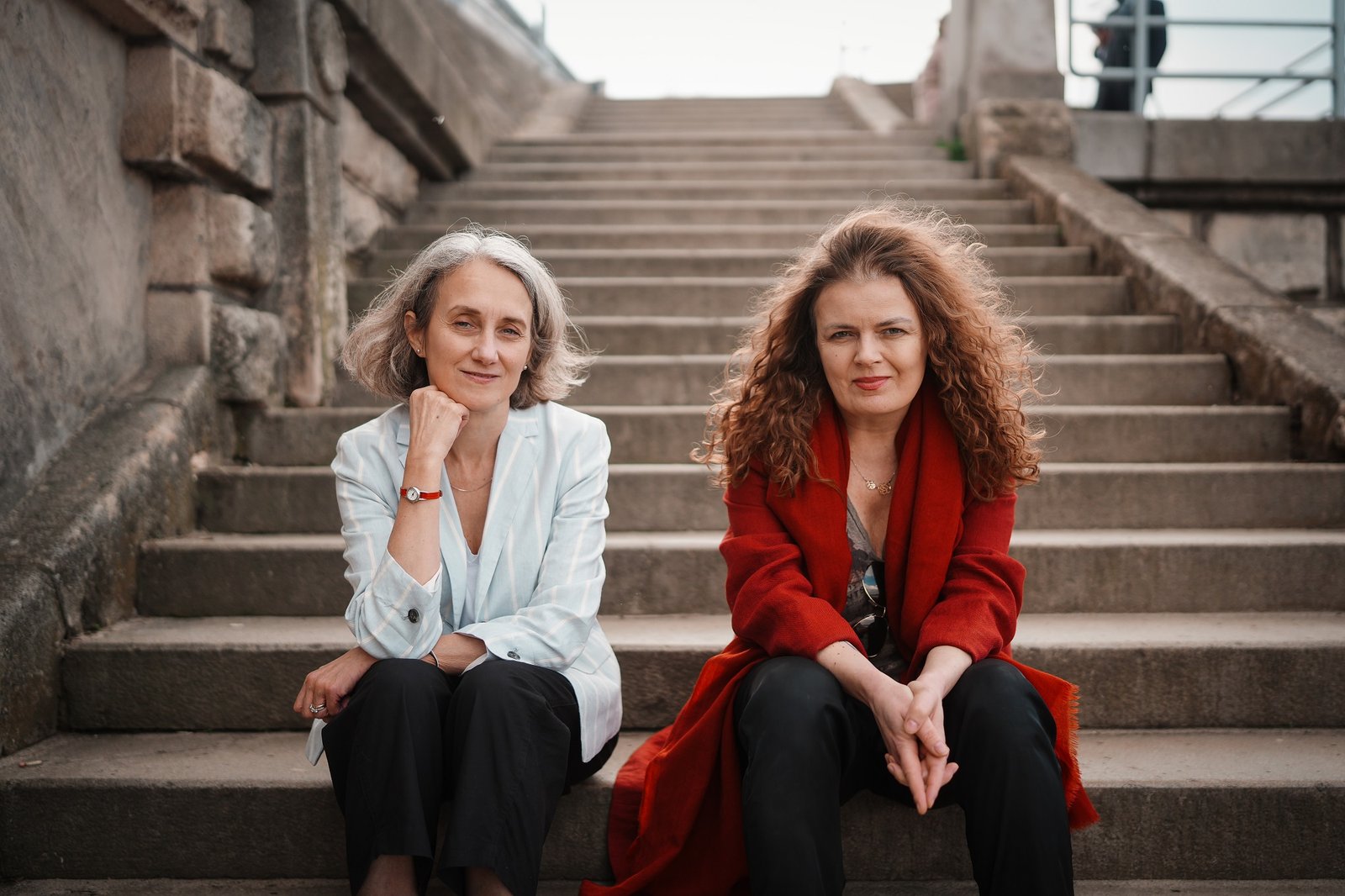
As the Krakow Film Festival enters a new chapter, president Barbara Orlicz and newly appointed artistic director Anita Piotrowska reflect on the event’s evolving role within the international festival landscape. Balancing a strong legacy with the need to embrace new cinematic voices, they outline their vision for maintaining the festival’s identity while responding to industry and audience shifts
Cineuropa: As president, how do you see the role of the Krakow Film Festival evolving within the European and international festival ecosystem in the coming years?
Barbara Orlicz: The strength of our festival lies in its unique blend of tradition and openness to new voices. It is a festival that has built its reputation over decades by consistently supporting young filmmakers and enabling them to make their mark on the international stage. In an increasingly crowded festival landscape, Krakow stands out as a place that brings generations together, uniting filmmakers and audiences alike.
It is also a platform for exploring the world through cinema, particularly in relation to social and cultural issues. Its location in the heart of Europe further strengthens its role as a bridge between East and West, with a particular focus on strong representation of films from our region. At the same time, we are the most important showcase for Polish documentaries and shorts, which adds value for programmers and curators.
The mixture of documentaries, shorts and animation remains one of the festival’s defining features, offering a multidimensional view of contemporary cinema.
This is your first year as artistic director of the Krakow Film Festival. What curatorial vision are you bringing, and how do you balance continuity with the need for renewal?
Anita Piotrowska: I would like the Krakow Film Festival to combine its over sixty-year-long and very rich tradition – after all, it was here that masters such as Krzysztof Kieślowski and Marcel Łoziński began their careers – with the broadest possible perspective on contemporary documentary and short filmmaking.
I want Krakow to become a place where not only masters and internationally awarded titles are showcased, but also where new talents emerge. We focus on auteur, artistic and exploratory cinema. Our audience, as well as the film industry attending the festival, has the opportunity to attend world premieres of the best Polish films and see the widest possible range of current developments in documentary and short filmmaking worldwide, and especially in Europe.
Leading a long-established festival also means navigating institutional responsibility. What are the main challenges today in sustaining its identity while ensuring growth and relevance?
BO: I will not be original: one of today’s main challenges is striking a balance between the festival’s mission and the financial realities of an increasingly commercialised market. As the event grows, it is crucial that it does not lose the identity and values that have built its reputation over decades, while still meeting partners’ expectations.
It is equally important to uphold traditions while remaining open to change, both in the context of a rapidly evolving film market and in response to the changing expectations of audiences and filmmakers. The festival must keep pace with contemporary trends while maintaining its character as a venue for showcasing authentic and daring cinema.
Partnerships also play a significant role in strengthening the festival’s significance and impact. In the face of an ever-growing number of film events, maintaining its unique position as a meeting place that brings filmmakers, industry professionals and the public together around a shared cinematic experience remains a challenge.
In a rapidly evolving documentary landscape, what criteria guide your selection process today, and what kinds of voices or forms are you particularly keen to highlight?
AP: We live in a time when viewers are becoming – and should be – increasingly distrustful of what they see. Images often lie to us or sell us attractively packaged content. That’s why we present films that not only “tell it like it is”, but also those that encourage a healthy suspicion of what we see on screen.
Beyond classic documentaries – observational or socially engaged – we strive to open up to other forms, such as hybrids or video essays: cinema that cultivates critical thinking about what the filmmaker wants to tell us and how. We are also placing greater emphasis on short films, where there is more room for artistic and intellectual freedom. The Krakow Film Festival aims to present cinema that defies algorithms and formats.
