
The head of Spain’s DGT has defended the compulsory yet highly controversial V-16 emergency lights, saying that “they are here to stay and there’s no going back” for these devices that cost €30 to €50 and are meant to replace warning triangles.
Pere Navarro’s words come after months of mostly negative news surrounding the emergency lights which are meant to replace emergency triangles placed down on the road. Back in February, the EU questioned the legality of the warning lights.
It warned that the V-16 light may not comply with the EU directive on emergency signalling equipment and the bloc is even considered vetoing the new regulations for failing to comply with EU law.
READ ALSO: Spain to give drivers grace period for mandatory V-16 emergency lights
There has been much confusion about the government-approved models of lights that meet all the DGT’s requirements.
Spain’s main traffic body has on several occasions revoked licences for different models they had already given the green light to, meaning that many drivers have squandered money on devices that don’t meet traffic police standards.
Despite all these problems, Navarro has ruled out scrapping these lights during the opening of the ‘Pedestrians and Road Safety’ conference in Galicia’s A Coruña recently.
READ ALSO: Can drivers in Spain be tracked with the mandatory V-16 emergency light?
Instead, the DGT boss stressed the V-16’s importance in preventing accidents. It’s an “important and mandatory” safety device for “preventing pedestrian accidents” he stated.
He emphasised that in Spain “one in ten road deaths is due to being hit by a vehicle” and also highlighted that people in Spain people walk more than any other European country, adding that the V-16 is safer than the traditional warning triangles because “you don’t have to get out of your car”.
READ ALSO: Police slam new compulsory V-16 emergency light for drivers in Spain
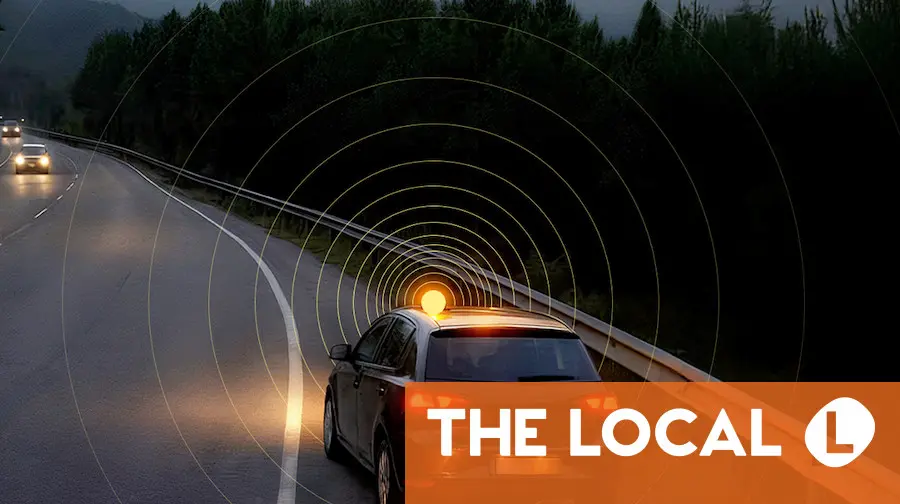
The V-16 device is a small yellow or orange LED light that is equipped with geolocation connectivity and is capable of emitting a high-intensity 360º light intermittently and continuously for 30 minutes.
This allows the DGT to know exactly where the breakdown or accident happened. When switched on, information is sent every 100 seconds about the location of the vehicle, until it is deactivated.
Spain is the only EU country to have made such a device mandatory for drivers.
In January, Spain’s Interior Minister assured drivers who hadn’t bought the light (compulsory since January 1st) would be given a grace period before being fined.
However, authorities are still being rather vague about when the deadline really is.
READ MORE: Which V-16 light should you buy in Spain?
