
– CANNES 2026: Zou Jing’s debut tracks a young Chinese girl forced to live with three different families, under three different names and identities
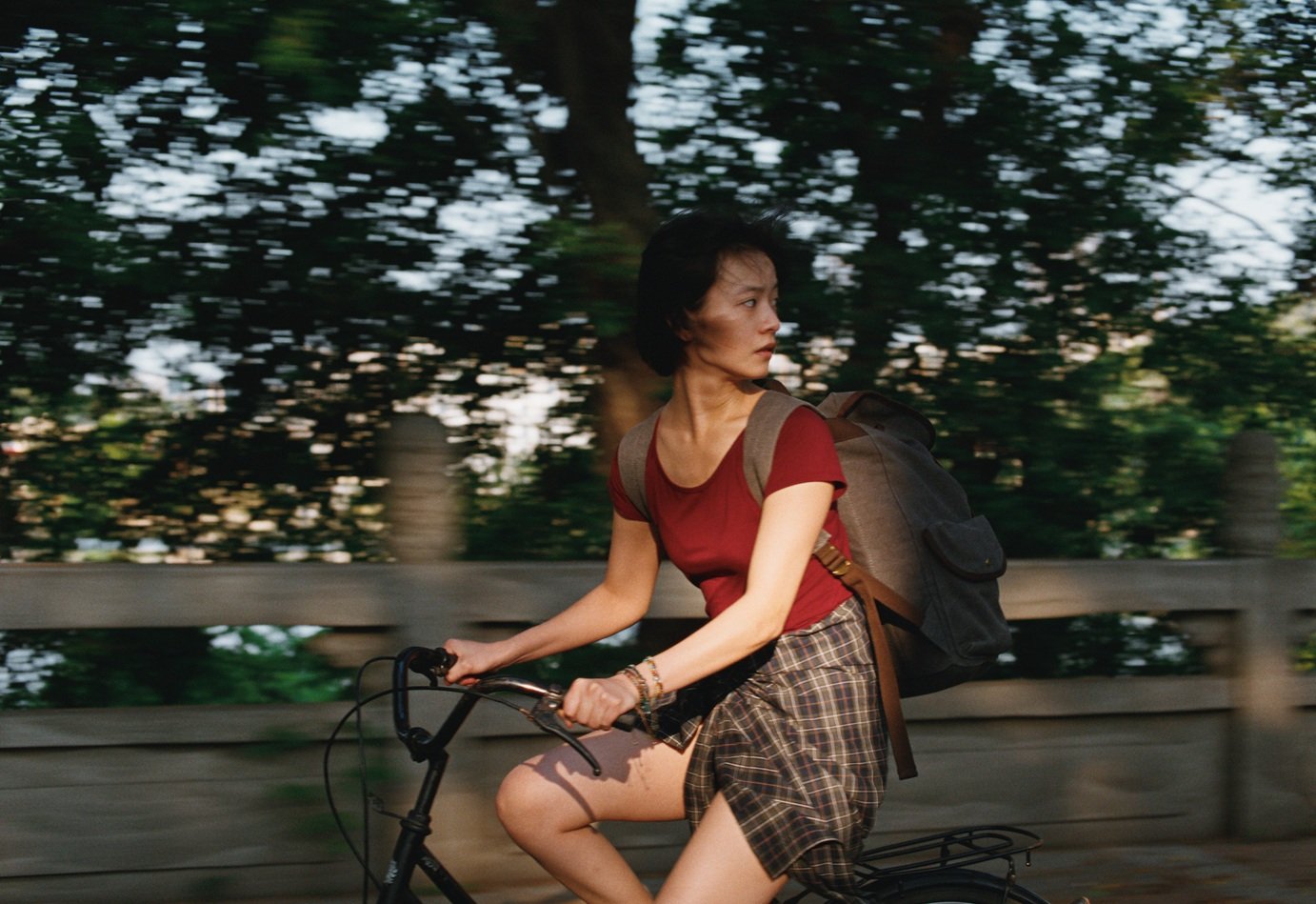
Li Gengxi in A Girl Unknown
Zou Jing makes a confident and watchable, if slightly contrived and schematic, debut with A Girl Unknown, following a girl from age 6-18 who was abandoned as a baby, and who then shuttles between three different families as she attempts to find her true identity. Operating mostly at an arresting level of filmmaking technique, and conveying tricky and forceful emotions, the film unfortunately becomes less focused as it unfurls, with its storytelling turning soapier and broader than it probably intends, although its observations on misogyny in late-20th-century Chinese family life are adroit and eventually quite biting. (The screenplay was inspired by the abandonment of Zou’s paternal grandmother in 1936, and various experiences of girls born in the late 1980s and early 1990s.) The picture is competing in the Cannes Critics’ Week.

Especially in the movie’s first half (it runs at an engagingly paced 128 minutes), Zou conveys a lot – from key plot developments to hurtfully exposed feelings – in an elliptical, yet firm, fashion, portioning out dialogue very carefully and letting its wide, often-exterior shots unfurl at patient tempos. A lovingly filmed sequence of the protagonist, first called Lin Juan (played by Cao Ruofan as a child), constructing handmade pink kites with her adoptive father becomes a sense memory of fragile familial bliss, something uplifting enduring under the surface of the trauma that she suffers and we witness. Yet, in the first of the screenplay’s almost-perpetual plot transitions, the father dies, to be replaced by a far more unpleasant new one, who this time is capable of conceiving with her mother, An-hui. As a non-biological daughter, this makes her even more expendable than merely being female, but thankfully, An-hui finds new foster parents for Juan in the city: the welcoming and sincere Meishuang (Shen Jiani) and her underachieving husband, Weiqiang (Zu Feng).
With Juan now known as Wang Juan (and played for the film’s remainder as an adolescent by Li Gengxi), she hovers on the verge, whilst still being somewhat deprived, of a conventional upbringing and maturation, aware that settling the fundamental mystery of her identity will make her future less insecure. A further succession of traumatic events, including an instance of sexual misconduct towards her by Weiqiang’s visiting colleague, are the triggers that motivate her to finally locate her biological family, although the obstacles to Juan’s development barely end here.
Contemporary Chinese cinema always receives scrutiny on its free speech climate, with the China Film Administration censorship board having to approve all domestic and international distribution, and occasionally imposing cuts and other editorial changes. Juan’s circuitous journey does bring her into different class positions in society, in addition to new family arrangements, yet Zou’s time-jumping, and sometimes key-event-bypassing, storytelling cannily creates a certain indirectness. Either way, a valuable focus is brought upon the girls, like Juan, forced into this predicament, making the character’s resilience – in the face of potential victimhood – feel like sweet revenge.
A Girl Unknown is a co-production by China and France, staged by Pure Light Films, Maneki Films, Memoria Films, Emei Film Group and Eagle Media. ARTE France Cinéma is also involved as a co-producer. Its world sales rights are held by Pyramide International.
