
– CANNES 2026: Bruno Santamaría Razo’s film blends autobiographical fiction and documentary, following a boy in 1990s Mexico City facing his father’s HIV diagnosis
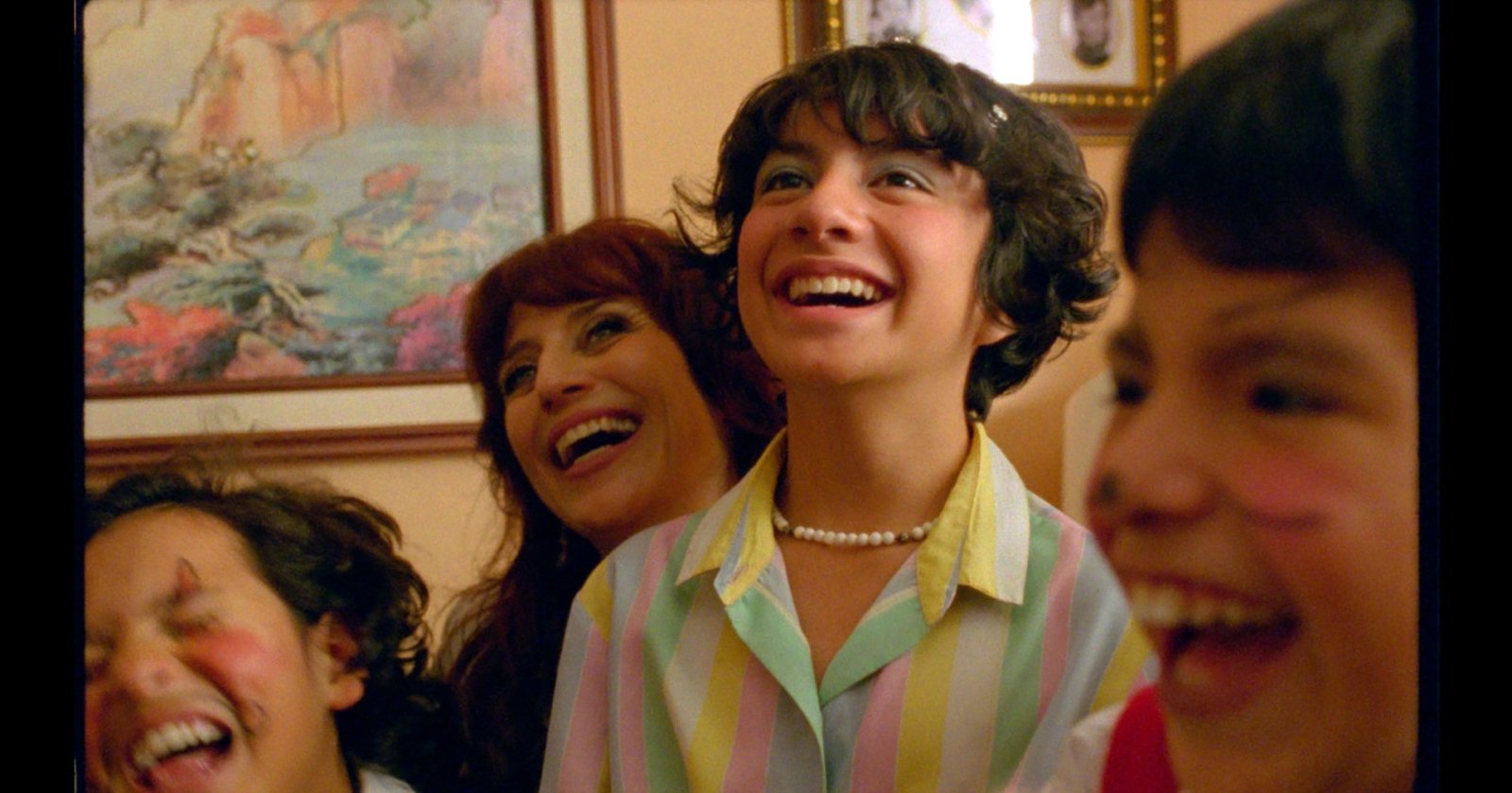
Jade Reyes in Six Months in a Pink and Blue Building
Selected as part of the 65th Cannes Critics’ Week, Six Months in a Pink and Blue Building by Mexican director Bruno Santamaría Razo is an autobiographical film, telling a delicate tale nestled at the intersection of self-acceptance and familial grief.
Set in Mexico City in the early 1990s, the film tells the story of 11-year-old Bruno (played by the well-cast Jade Reyes), whose father (Lázaro Gabino) is diagnosed with HIV. The shocking news, which brings with it a sense of shame along with a certain fear of death, comes at a very particular moment in the young boy’s life: he’s falling in love with his best friend, Vladimir, and coming to terms with his homosexuality.

The director’s experience in documentaries (such as Margarita and Things We Dare Not Do) is plain to see in the blend between fiction and reality. In fact, Santamaría Razo’s parents (as well as the director himself) appear as talking heads, facing the camera as if it were a psychoanalysis session. This approach imbues the film with a strong rhythm and keeps the audience questioning the boundary between what’s real and what’s not, a theme that seems especially prominent at this year’s Cannes, notably in Pedro Almodóvar’s competition title Bitter Christmas.
Six Months in a Pink and Blue Building also shares some traits with one of the big successes of last year’s Cannes, Diego Céspedes’ The Mysterious Gaze of the Flamingo, the winner of Un Certain Regard. The theme of AIDS and HIV is central to both features, each of which follows a young teenage protagonist and is set in Latin America. Curiously, they also share the same song, “Ese Hombre”, in their main soundtrack. Nonetheless, there is one main difference in the approach, which makes Santamaría Razo’s work stand out: while in Céspedes’ story, the virus is disguised, adopting a mystical form, and the movie is filled with magical realism, here, we are facing up to reality, and not only in the storytelling, which doesn’t skimp on the numbers and other data around the disease; indeed, the helmer also goes so far as to include the real protagonists, weaving them into the very fabric of the film.
Fernando Hernández García’s cinematography is one of the film’s strongest elements, which, combined with Daniela Guardado and Constanza Martínez’s costume design and the work of Ivonne Fuentes Mendoza as art director, infuses the movie with an extremely realistic tone, giving off a tinge of nostalgia and familiarity. The shades of pink and orange, mixed with the grainy palpability provided by the decision to shoot on 16 mm, allow for some very recognisable visuals.
The only real flaw to speak of is that, although the running time is not especially long, at 105 minutes, the movie could have been more tightly structured for a punchier effect. It feels like the feature dilutes the story in order to enhance the aspect of familiarity, but it sometimes falls into repetition and would definitely have benefited from a few cuts.
Six Months in a Pink and Blue Building is a co-production involving Mexico, Brazil and Denmark, and was staged by Ojo de Vaca, with Desvia Produções and Snowglobe Films serving as co-producers. Its international sales have been entrusted to Luxbox.
