
– CANNES 2026: Félix de Givry’s upsetting drama finds a teenager played by Milo Machado-Graner aiming to disappear from his life, until he finds a resourceful ally
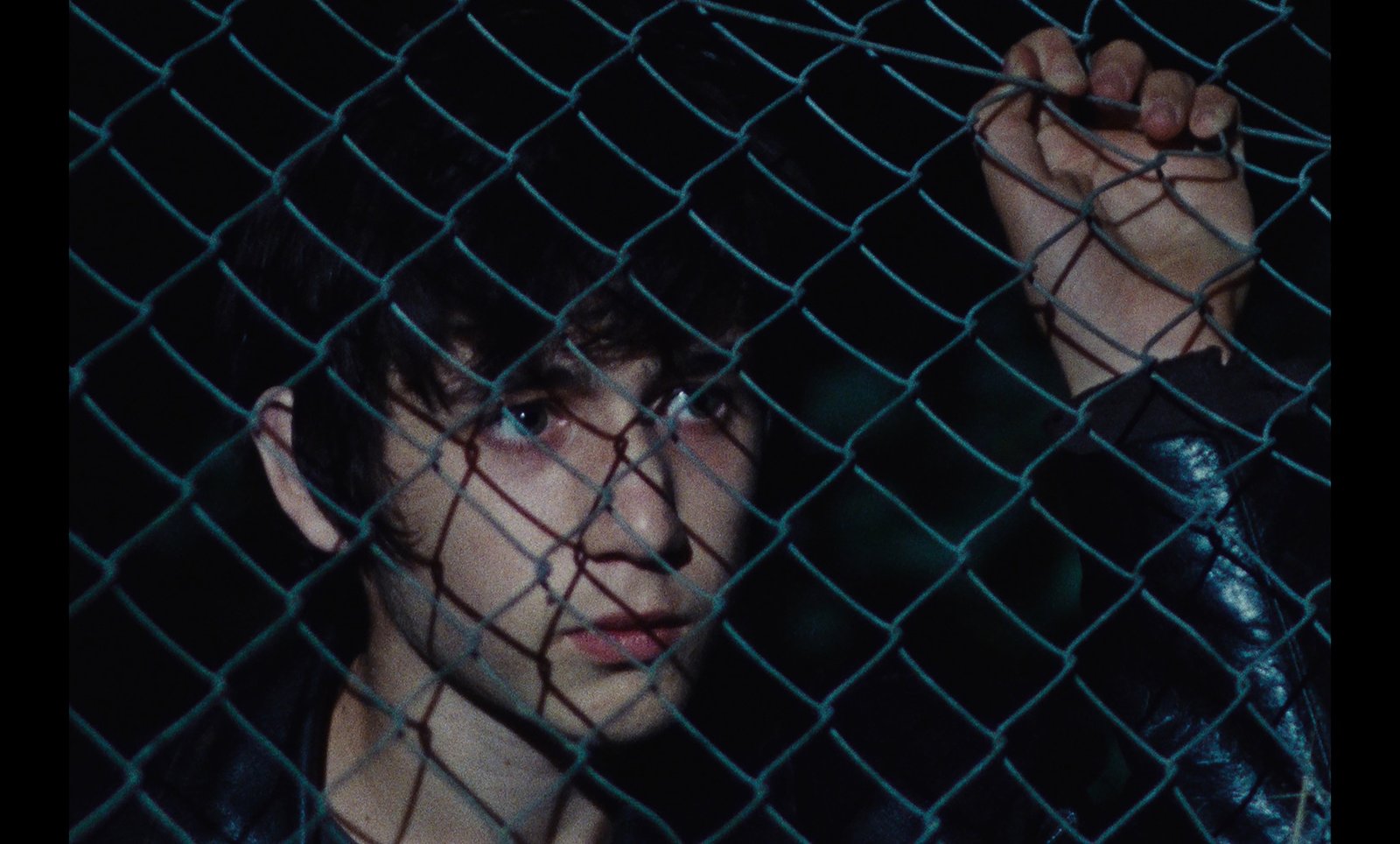
Milo Machado-Graner in Goodbye Cruel World
One of Robert Bresson’s most eternally and troublingly fashionable films is 1977’s The Devil Probably, at the time banned for viewers under 18 in France owing to concerns over its depiction of teenage suicide. Félix de Givry’s debut feature, Goodbye Cruel World – made under the sign of Bresson, alongside that of François Truffaut – feels even more far removed from today’s language of safeguarding and the necessary concerns about depictions of suicidal ideation in media. Still, it radiates an immense empathy for its troubled lead character, Otto (Anatomy of a Fall’s Milo Machado-Graner), who makes a rash decision to end his life, as he struggles with bullying at his Catholic middle school in Normandy. Others who’ve experienced similar feelings should find the redemptive journey he undertakes extremely moving. The closing film of this year’s Critics’ Week at Cannes, it represents a further career breakthrough for de Givry, after co-writing and producing the Academy Award-nominated animation Arco, and taking the lead in Mia Hansen-Løve’s 2014 house-music drama Eden.
Immediately introducing an oddly romantic and maudlin score by Arnaud Toulon, and prominent third-person narration by actress Françoise Lebrun, the film commences with a piece of brazen teenage melodrama, which still feels true to the roiling emotions of that age. Otto begins an unassuming morning in his sleepy hometown of Lisieux by mailing several letters addressed to his classmates, informing them of his decision to take his life as well as blaming them (meaning his bullies, and everyone else as bystanders) – “This was murder, not suicide,” he writes. Initially jumping from a low bridge into a river, perhaps the shock of hitting the sloshing, dank water awakens something in him, and as he clambers onto the bank, we feel him contemplating his new identity, where he is literally the only one aware he’s alive.
de Givry has also cited Nicholas Ray’s romantic noir They Live by Night as a key influence, but this reviewer’s mind started to drift to David Lynch’s Wild at Heart, as Otto finds the “Lula” to his “Sailor”. Rifling through a dumpster for discarded food one night, to take to an abandoned religious building he’s squatting in, Otto is recognised by Léna (Jane Beever), who appears to be in a lower school year than him; knowing that maintaining the lie is easier than the complications of revealing the truth, she helps him hide in the small tourist hotel run by her mother, bringing him spare clothes and food. Here, the screenplay (co-written with Marie-Stéphane Imbert) begins shifting to Léna’s overall perspective, as she nurses her feelings about Otto’s unique situation and also acts as a go-between for us in the audience, by finally asking more direct questions about his rationale and mental state (Lebrun’s ever-present voice-over refers to his “set ideas about life”). As the ongoing events feel more implausible, an aura of fatalism and – for lack of a better word – grace comes through, with their growing amorous bond making them consider escaping together, highlighting that stated Lynchian sense of dark romanticism.
Goodbye Cruel World is not perfect, very much having the unsteady tenor of many debut features, but de Givry’s passion feels truly singular amongst the many opening-career efforts here at Cannes. Forgoing any contemporary trendiness, with its retro and cinephilic obsessions, it still finds an original way to put across the preciousness of life.
Goodbye Cruel World is a French production, staged by Remembers Production and Iliade et Films. Playtime handles its international sales.
