
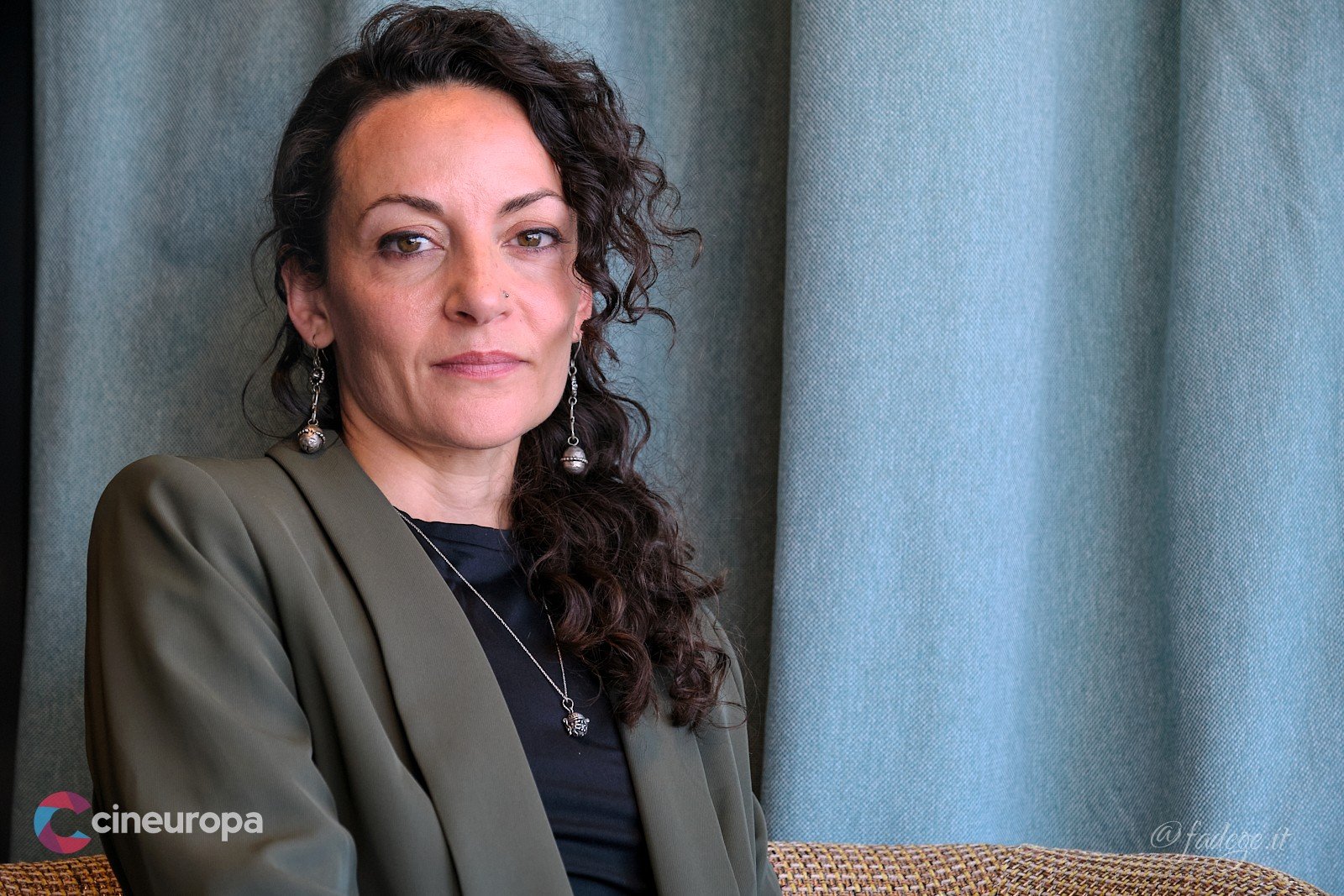
– CANNES 2026: The director discusses how she attempted to offer an escape from war, if only for a moment
(© 2026 Fabrizio de Gennaro for Cineuropa – fadege.it, @fadege.it)
In The Station, shown in the Cannes Critics’ Week, Layal (Manal Al-Mulaiki) runs a women-only petrol station in Yemen. It offers a refuge from the war, but no men are allowed in – except for her little brother. She’s trying to hide him and save his life, but he’s not too happy about it. We spoke to director Sara Ishaq about her film.
Cineuropa: Why did you want to depict a place like this? A space for women where they can be themselves, even if only temporarily?
Sara Ishaq: There were very few films coming out of Yemen, and there was very little reporting, especially when the country was under siege and the airports were closed. Journalists found it difficult to come in and out, and there was pressure to talk about everything. I’m from Yemen, but I’m also Scottish, so I could understand what it was like from both sides. There was a big disparity between what was shown and what was actually happening.
The idea of using one space seemed like a good way to focus on the human story. What happens to people when they’re put in such a pressure cooker? You can use this as a magnifying glass to see what’s going on in the country, but also globally.
The divide between the female and male universes is striking here. It’s literally peace versus war.
I didn’t want to use the typical images we usually see in films about war. I decided to push some things into the background, not because I wanted to pretend they don’t exist, but to show they are everywhere, all the time. This film is a collection of contrasts, even between the characters. The inside of the petrol station is so vibrant, and the outside more monochrome and quite still. These two worlds are separate, but this also illustrates how Layal created this bubble, protecting her brother from the perceived dangers of war.
The thing is, you can’t stay in your bubble forever.
You can only bury your head in the sand for so long. When we look at the state of the world, we can turn a blind eye to war and genocide, thinking: “It’s not going to reach me; it’s not happening here.” But we’re all connected. It will affect you, too.
There is a need for permanence, especially when it comes to the idea of home and belonging. You try to put down roots, but that’s impossible when there’s always war. This speaks to the refugee crisis and the flight of the Palestinians – all those cases where people had to move from one place to another and make the most of it, even though everything around them was falling apart. I just saw on social media that someone in Gaza had posted a beautiful photo of the tent where he was staying. He had hung up plants and added some nice rugs. It looked like a beautiful haven. The human need for stability is strong.
It’s been said that the film was inspired by a real petrol station – is that true? Didn’t you want to make a documentary about it instead?
It was inspired by a real petrol station that suddenly popped up. When the war broke out, suddenly, there were all of these women-only spaces. There was an element of social segregation, so it wasn’t all rosy, but women would spend a lot of time there. They would teach children and buy boxes full of pizza, just like my cousins. It was a strange bubble in an absurd situation where bombs were falling, anti-aircraft missiles could be heard and people were being killed every day. Everyone was there for the same reason, and their background didn’t matter. There was something very powerful about it.
I do come from a documentary background, and I immediately thought this was very special. But these women come and go, and I wasn’t interested in superficial stories. I wanted something a bit more substantial. Also, unlike in my film, that petrol station was out in the open. The women were covered up, and you would have needed to ask them and their families for permission. Not to mention that carrying a camera in public is dangerous. But the idea kept on brewing. After I left Yemen, and had my son, I realised I should turn to fiction.
It certainly allowed you to go into detail and show how complex their interactions are. It’s a safe space, but not everyone agrees with each other.
It was very important not to represent these women as saints. I based the characters on real people, people I knew. I remember gatherings where women would get together, and really intense debates would erupt. They would argue about politics, then talk about fashion or something they had seen on TV. There was this solidarity, even when they were on opposite sides. Once, at a funeral, a mother was grieving for her son who had been killed by a group that her neighbour’s son belonged to. The neighbour was the one who brought all the food. Of course, things don’t always happen this way, and there were conflicts as well. But they connected on a human level: as mothers and as people with the same day-to-day struggles.
Over the past 20 years since I left Yemen, I’ve been coming and going, and it’s been interesting to see how people have changed. Their ideas were changing. I could never really judge their choices – I wasn’t in their shoes. But as humans, we’re so adaptable and complex. In times of war, it’s never black and white.
