
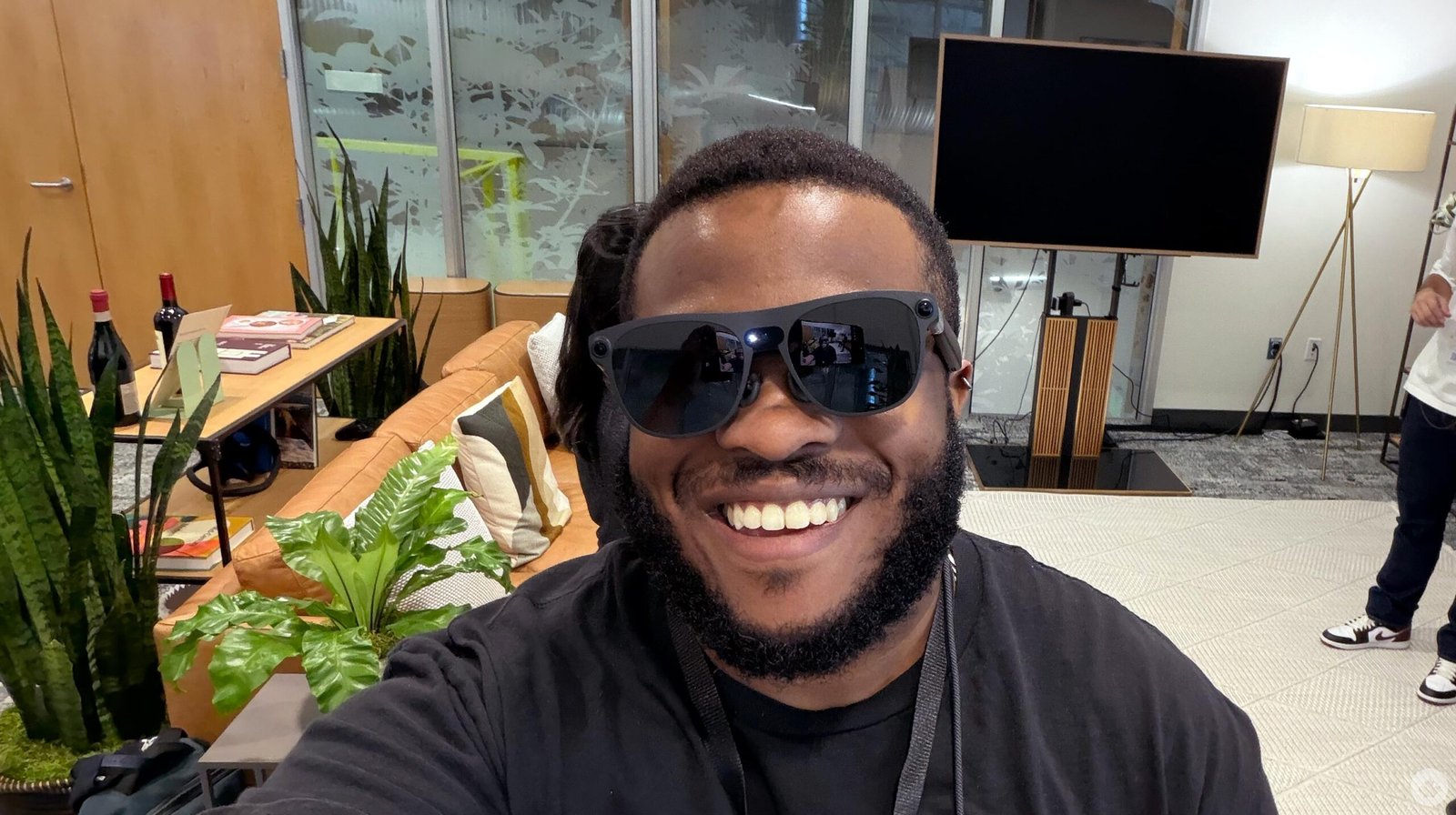
At Google I/O 2026, I had the opportunity to try out Xreal and Google’s new smartglasses, dubbed Project Aura. Project Aura combines some of the best elements of Xreal’s iteration of smartglasses and combines them with Google’s Android XR for the best of both worlds. However, unlike the Meta Ray-Bans, I won’t be running to a store to replace my regular glasses, and I probably won’t be able to use my insurance benefits to purchase them.
Project Aura probably won’t be glasses you wear as much as your regular prescription glasses, or sunglasses, simply because they’re wired.
The Aura experience
Project Aura runs the Android XR platform, similar to the Galaxy XR glasses, and lets you use gestures like you’re Tony Stark controlling Jarvis — I love it, and it’s incredibly intuitive. Sticking out your palm and pinching opens a familiar Android-like menu. You can pinch to select apps. You can expand a window by pinching on the sides and pulling apart. I thought it was pretty intuitive and made sense.
I was given experiences to try, like one that lets you paint in AR, similar to Snap Spectacles. Another one pushed this further by drawing lines in AR, and then the AI assigns notes to each of the lines, and music starts to play. You can also strum the lines to add to the music. It was cool, not something I could see myself using a lot, but something fun that I could show off to friends. However, what was interesting was that these apps were vibe-coded, made by Gemini AI, and then made available for Project Aura.
I also used YouTube on the glasses and blew up the video to the full 70-degree field of view, which is the largest FOV of any AR glasses. But the FOV is a lot narrower than the 100-110 FOV of the Galaxy XR or the Vision Pro. I was able to move the window around, place it on the ceiling, and affix it to that place, even if I move around.
I also liked that the glasses could tell when I was looking at another person. While I had the glasses dimmed to improve the viewing experience of the Spider-Man trailer I was watching, when I turned to speak to the Googler facilitating the demo, the video stayed where I had placed it and then also the dimming turned off so I could see the Googler clearly.
Benefits of Aura
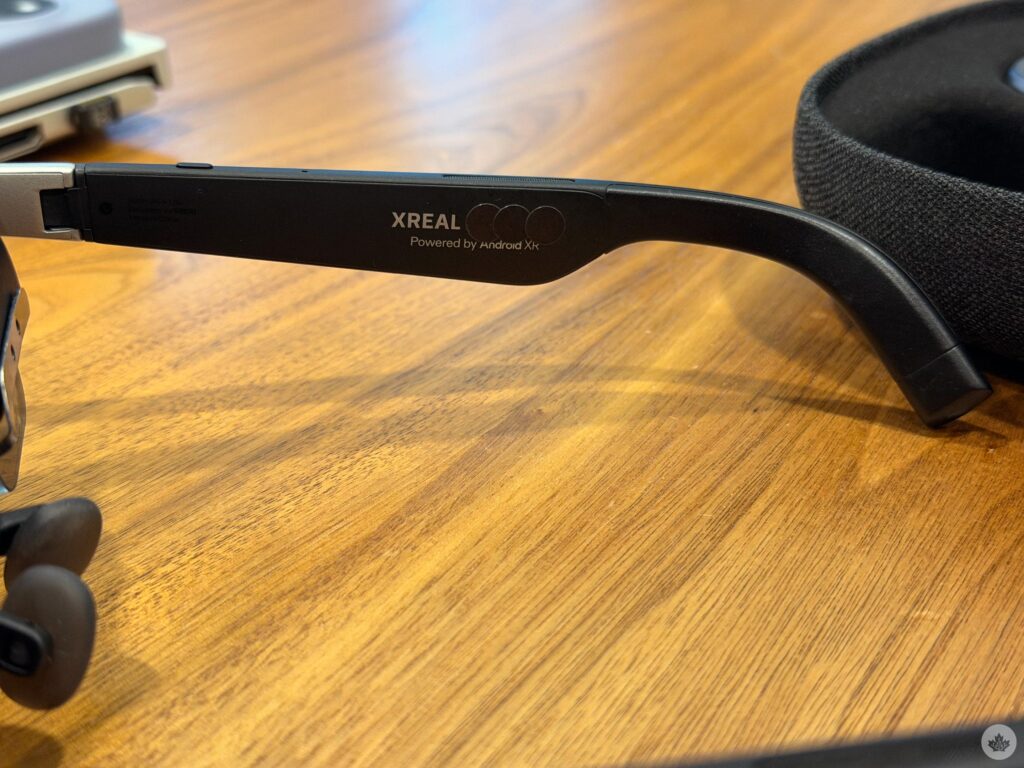
Even though Project Aura is wired, they are smartglasses, and I really enjoy that form factor. I wouldn’t compare them to smartglasses like the Ray-Ban Metas or the upcoming Android XR glasses from Warby Parker or Gentle Monster, or even the Ray-Ban Meta Displays, one of the only smartglasses with screens, because Project Aura is a different product. Project Aura competes more with the likes of the Apple Vision Pro and the Galaxy XR, the natural next step for these oversized headsets.
And that’s because you’re going to keep Project Aura plugged into the proprietary battery pack, similar to those bigger XR devices. However, Xreal did something pretty smart, and the battery pack can use a belt clip, so you can attach it to your clothing, making it easier to walk around with. Combined with its regular glasses form factor, it makes Project Aura a go-to AR-like experience.
Another benefit of Project Aura is how it can enhance the gaming experience. For instance, you can connect a Steam Deck to Project Aura by plugging it into the USB-C port at the top of the gaming handheld. You’re then able to use Project Aura as the Steam Deck’s display, while holding the handheld to control your game. Additionally, with Project Aura’s Android XR interface, you can use Gemini to ask about the game while you’re playing.
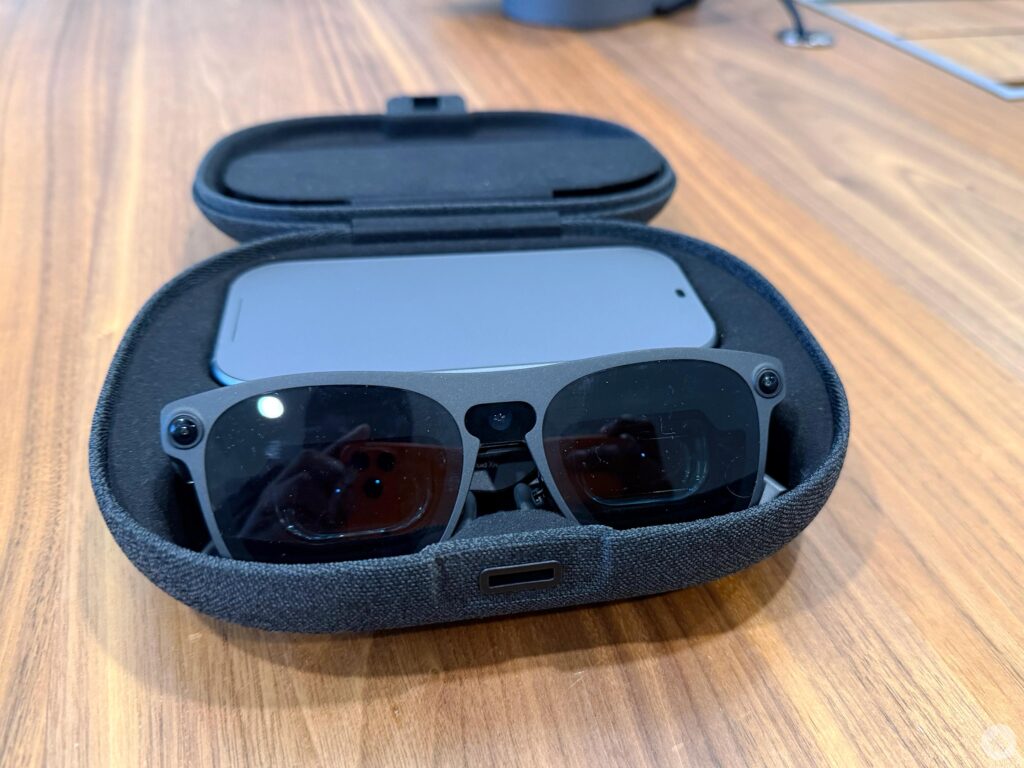
Xreal’s Project Aura is impressive, and I can’t wait to spend more time with the smartglasses. I only had about ten minutes with the smartglasses, but expect more coverage in the future. While I won’t be replacing my Meta Ray-Bans with these glasses, I still am incredibly excited to play games, watch content when commuting, and really take Android XR for a spin.
We don’t have pricing or availability yet, but Xreal and Google say Project Aura will launch in fall 2026 — hopefully, Canadians get a similar release date.
