
“The current moment calls for a rethink and a genuine expansion of what non-fiction can be”
– The Berlin-based documentary festival’s artistic director discusses its imminent edition, its industry initiatives and its link to the German capital
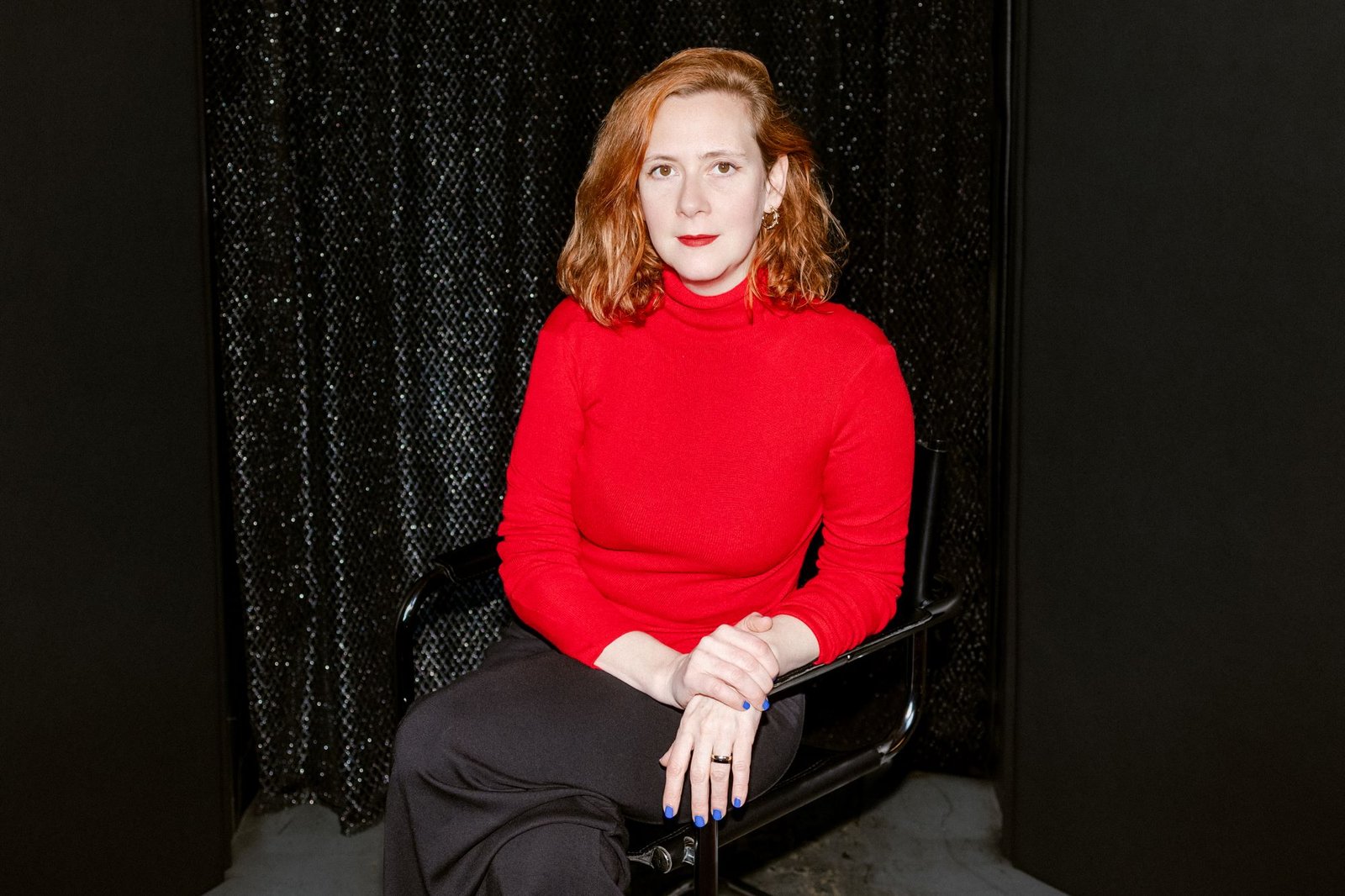
(© Dovile Sermokas)
Berlin-based documentary festival Doxumentale is set to run from 27 May-7 June. Artistic director Anna Ramskogler-Witt discusses its imminent edition, its industry initiatives and its link to the German capital.
Cineuropa: Doxumentale positions itself beyond a traditional film festival, incorporating films, podcasts, books and immersive media. How do you define the core identity of the festival today, and what kind of audience experience are you aiming to create across these different formats?
Anna Ramskogler-Witt: The ambition is to open as many doors as possible to non-fiction storytelling – whether that’s a virtual reality piece, a live podcast or a film that moves you. What underpins it all is a single conviction: that reality, when looked at properly, is wilder than fiction. That’s also one of the claims on the posters, and we mean it. Reality can make you furious, it can break your heart, and it can also fill you with something close to joy. A festival, at its best, is where that discovery happens in the company of others – a place where audiences and industry guests alike find themselves having conversations they didn’t expect to be having.

Dx’Hub is conceived as a “boutique” industry space, rather than a large market. What advantages does this more intimate, more curated model offer professionals, and how does it shape the kinds of collaborations and exchanges you want to foster?
Berlin already has its large industry spaces. What Dx’Hub is after is something different: the kind of encounter that tends to get crowded out in bigger rooms. Filmmakers, newcomers and veterans are drawn to this city, and the Hub is a space for them to find each other and to meet the international guests who make the trip. The informal lunch series, “What’s Soup”, is perhaps the clearest expression of this idea: an expert is in the room, but the expectation is that everyone else is an expert, too, with their own knowledge and their own front-line stories. A boutique format makes that reciprocity possible, allowing for collaboration and for helping each other out, without any agenda getting in the way.
At a time of disinformation and social fragmentation, both the festival and Dx’Hub emphasise the impact of non-fiction storytelling. How do you see documentary formats evolving as tools for social change, and what role can initiatives like The Good Media Pitch play in that ecosystem?
The current moment calls for a rethink and a genuine expansion of what non-fiction can be: how different forms and formats can look, what they can convey and where they can go. Two films in this year’s programme engage directly with artificial intelligence, walking the line between documentary and imagination. That line turns out to be both very fine and very instructive. Through The Good Media Network, the hope is to build what might be called love stories for non-fiction: long formats, short formats, work that gives audiences permission to stop being hesitant about documentaries and start understanding the beauty of them, even when the film itself is harsh and brutal. Developing those pathways is precisely what The Good Media Lab works on together with its selected projects.
What criteria guide your selection process when identifying projects or talents that reflect today’s non-fiction landscape?
With roughly 40 films, the programme is limited out of necessity. The goal is to mirror the full diversity of ways in which non-fiction stories can be told – not to canonise one approach, but to lay several side by side and let the differences speak for themselves. This year, two partnerships shape that breadth in particular ways. Through a collaboration with the Slovenian Cultural Information Centre SKICA Berlin, the programme features a dedicated focus on films from and about Slovenia, in the widest sense. Beyond those anchors, there is a quality in the selection that is harder to put a name to but which is easy to feel: a film that opens up a room, rather than sealing it. They are films that invite conversation, that leave space for the audience to enter.
Berlin has a unique cultural and political context. How important is the city to your long-term vision?
Having moved to Berlin in my late twenties, it seems to me that this is a city still in the middle of becoming itself and searching for an identity it may never fully settle into, yet standing on ground that is historically charged in a way few places in the world can match. But it’s not only a dark heritage. Potsdamer Platz, the festival’s home this year, was once the beating heart of the Roaring Twenties, a place of pleasure, noise and invention, before it was turned into ruins, then a no man’s land, then a construction site, then glass and steel. The festival tries to honour that. Our opening event will be a journey through time, woven from texts by writers who knew this city down to its bare bones – Kafka, Kästner, Christa Wolf – and from fragments of films that have featured Berlin as their subject, among them Walter Ruttmann‘s Berlin: Symphony of a Metropolis. It is a homage to Berlin, the city we live in, work in, love and occasionally, honestly, cannot stand.
