
– Croatian director Igor Jelinović’s debut feature is a nuanced psychological study of the thorny and complex issue of real-estate inheritance in the family
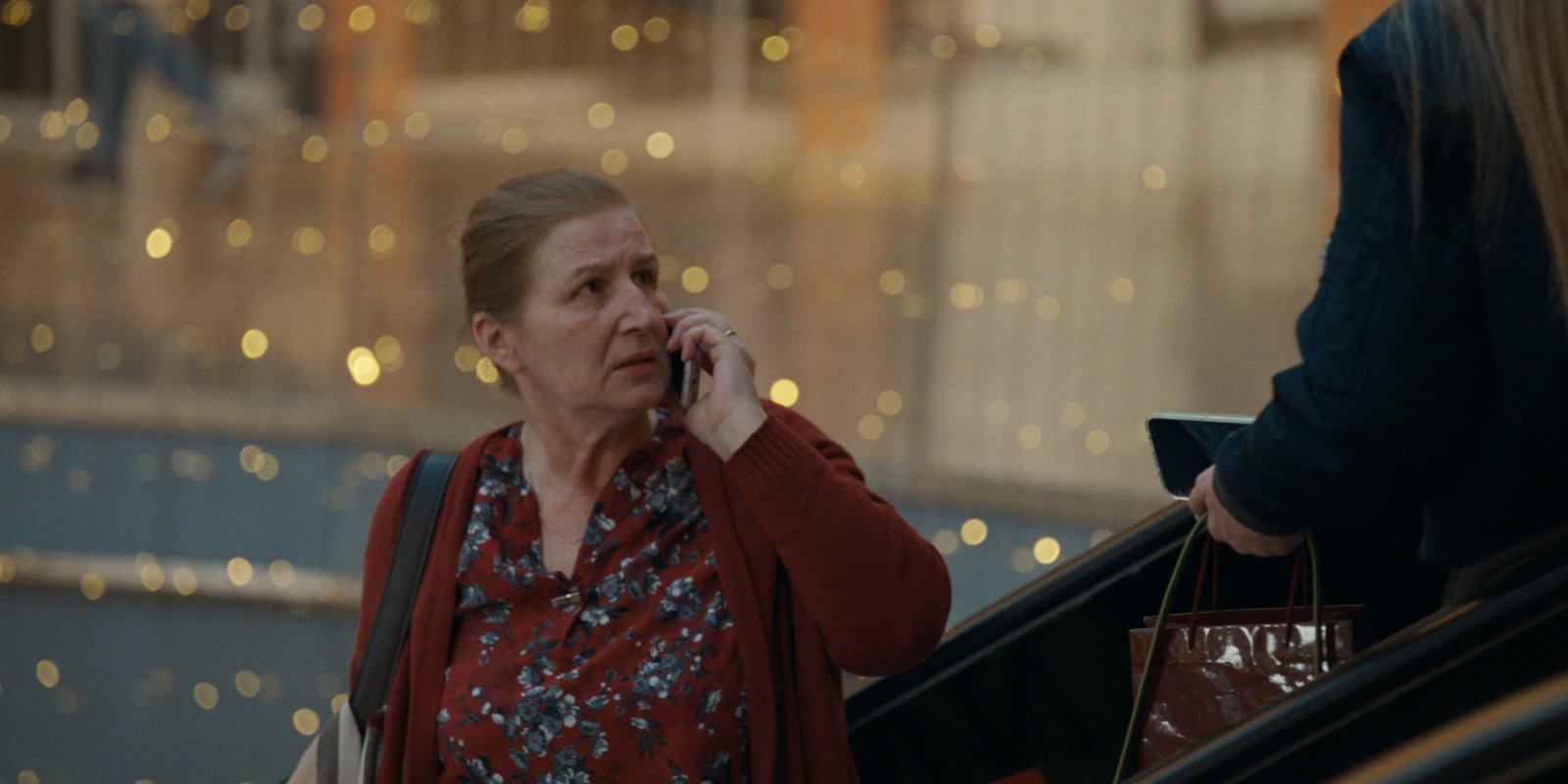
Snježana Sinovčić in Honey Bunny
Real-estate inheritance is known to cause major rifts within families. It goes way beyond financial matters into often undefined but deeply felt identity issues that both stem from and clash with lifelong relationships. This is the thorny field that Croatian writer-director Igor Jelinović enters in his feature debut, Honey Bunny. The film world-premiered at IFFR and has just bowed to local audiences at the opening of the Mediterranean Film Festival Split.
It is a prime example of a story addressing a universal topic by immersing itself in its locality – that of Croatia’s second-largest city of Split, a place with a specific, both prideful and much-derided, mentality. The film’s title is a loose translation of koke, a term of endearment that Dalmatians use for each other. But here, it primarily refers to Tonina (a towering performance by Snježana Sinovčić), a woman of around 60, married to Bare (Stojan Matavulj), with whom she shares an accounting firm and a depressed and bitter daughter, Tana (a subtly comical turn by Ana Marija Veselčić). She takes care of her disabled 90-year-old mother (Dara Vukić), while her younger sister Tajana (Aleksandra Janković) lives with her husband Milan (Leon Lučev) and twentysomething daughter Linda (Mare Rodin). Tajana’s jobless and restless son Ivan (Šimun Šitum in a scene-stealing role) is in Zagreb, in an unhappy marriage with an off-screen wife, and very much in Tonina’s overbearing focus. In general, Tonina appears to feel responsible for the whole family, always concerned, fussy, and soliciting unwanted opinions and advice.
The two sisters have an agreement to buy off one remaining floor of a house on the popular tourist island of Hvar, but Tonina goes behind Tajana’s back and does it herself. In two scenes that follow, the film briefly shifts from simmering tension into almost shocking bursts of aggression, especially in the one involving Ivan. The picture then returns to its earlier tone as an undetermined length of time passes and we find that Tonina and her part of the family have moved in to the Hvar house. And Mother’s birthday is an occasion for a fraught reunion.
Jelinović’s approach is rock-solid and executed with tight consistency. Marko Jerbić‘s camera follows the characters from a distance (Tonina’s only close-up comes well after the one-hour mark), from behind doorframes, pieces of furniture or car seats. It pans slowly around the room, not necessarily filming the person speaking, but leaving the focus of perception to the viewer, who feels like an observer peeking into the family’s secrets. The sound design by Ivan Zelić similarly peppers the scenes, while the unobtrusive score by Miro Manojlović and Ana Kovačić imperceptibly colours the atmosphere. Tomislav Stojanović‘s editing, obviously defined in prep alongside the camerawork, shapes the approach: the scenes are split into complex set-pieces, often using long takes, creating an awareness that some time has passed between them, as if we are just witnessing episodes, and not necessarily the key ones for the story.
A lot of the nuanced characterisation comes from the recognisable Split dialect, and while this can never be fully translated, the English subtitles do a more-than-decent job. It certainly doesn’t impact the film’s universality, thanks equally to the topic and to the inspired collaboration between the top-notch actors and the director, especially when it comes to the body language and facial expressions.
Honey Bunny is a co-production between Croatia’s Eclectica and Serbia’s Baš Čelik.
