
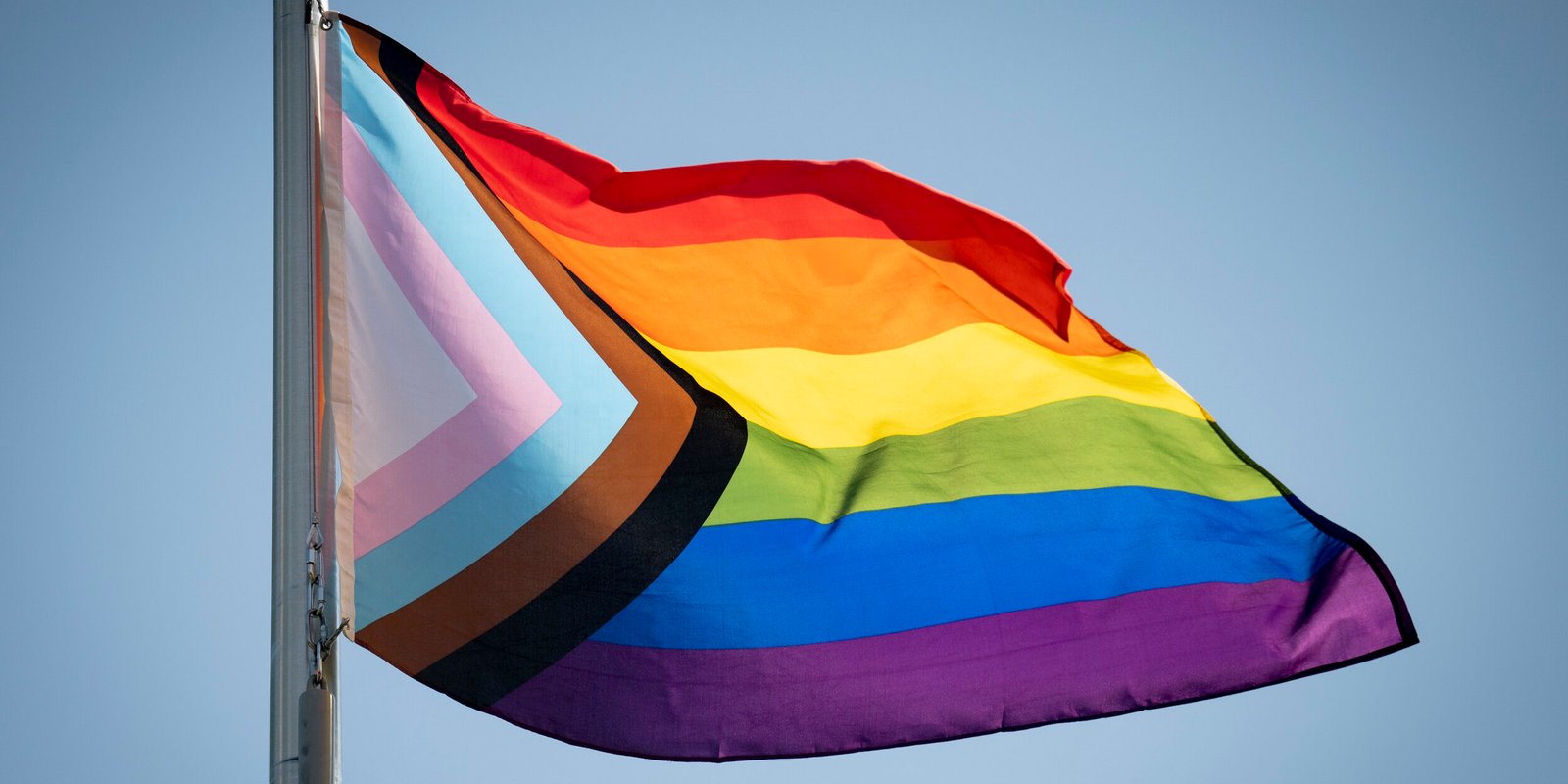
Rainbow Railroad is a charity based in Canada and the US that is focused on helping 2SLGBTQIA+ people escape violence worldwide. It has been in operation for 20 years and in that time it has never seen higher demands for its services than this past year.
This comes at a time where it is also seeing a reduction in financial support from governments worldwide.
Through its work, Rainbow Railroad helps resettle 2SLGBTQIA+ people who are experiencing violence in their home countries. Last year, it received over 20,000 requests for help, a 51 per cent increase from the year before and the largest number of requests the organization has ever received.
Devon Matthews, Rainbow Railroad’s Chief Programs Officer explained why they thought they were seeing a rise in the number of requests for help.
“We are seeing laws that directly impact and crack down on the LGBTQI community, such as in Uganda with the Anti-homosexuality Act, which really drove and spiked numbers and requests for help, or more recently, as an example, what’s happening in Ghana around the new legislation there,” Matthews said.
Uganda was the country from which Rainbow Railroad received the second most amount of requests in 2025, the US was the first.
“And in addition, we see increased requests for help where other services fail folks. So for example, If people are kicked out of refugee camps or their services are cut by the UNHCR because of global defunding, they are coming and turning to us because we are their last resort. And so all of those things kind of feature into why we are seeing an increase in requests for help,” said Matthews.
Global funding cuts in a time of crisis
This increased demand on the vital services of Rainbow Railroad comes at a time where governments and organizations around the world are pulling back on humanitarian aid.
Cuts to global programs like the United States Agency for International Development (USAID) have meant that other programs that vulnerable groups depend on have had to pull back on the supports they provide, leaving organizations like Rainbow Railroad to fill the void.
Canada too, has pulled back on its global commitments to humanitarian aid. The 2025 federal budget saw Canada cut $2.7 billion in foreign aid.
Listen: Examining the federal government’s $2.7 billion in cuts to foreign aid
“A lot of organizations that we work with are really suffering, as are we, and are trying to kind of bridge that gap within the community and make sure that we’re able to continue to do this work,” said Matthews.
New legislative restriction put 2SLGBTQIA+ refugees at further risk
Earlier this year, the federal government passed Bill C-12, the so-called Strengthening Canada’s Immigration System and Borders Act.
The legislation puts new restrictions on those seeking asylum and refugee status in Canada, including disqualifying those who wait more than a year to claim asylum.
“We’re very concerned about its disproportionate impacts on LGBTQI claimants,” Matthews said of Bill C-12.”
Matthews explained why the new one-year restriction put queer individuals seeking asylum at risk.
“Many individuals don’t actually know that they can claim asylum on the basis of their sexual orientation or gender identity given the extreme persecution they’ve experienced at home,” said Matthews. “Many individuals don’t have a firm understanding of their own sexual orientation or gender identity despite knowing that they’re queer when they arrive in Canada, and they may take a minute to understand how to identify that or relate to that. Some are in domestic settings where it’s not safe for them to come out or claim asylum.”
Funding cuts and increased demand, which is sometimes being driven by direct or indirect state persecution, have all come together to put strain on the services offered by Rainbow Railroad in a time of their greatest need.
Rainbow Railroad is calling on the public for support, not just in terms of volunteering or donations, but also in getting involved in the issues impacting the 2SLGBTQIA+ community today.
“We’re really encouraging people to contact their elected officials no matter where they live in Europe, in North America, and anywhere, and Ask that their government create more dedicated pathways and programs to help LGBTQI forcibly displaced people, to invest in LGBTQI civil society, to increase protection and safeguards for queer and trans people from experiencing forced displacement,” Matthews said.
