
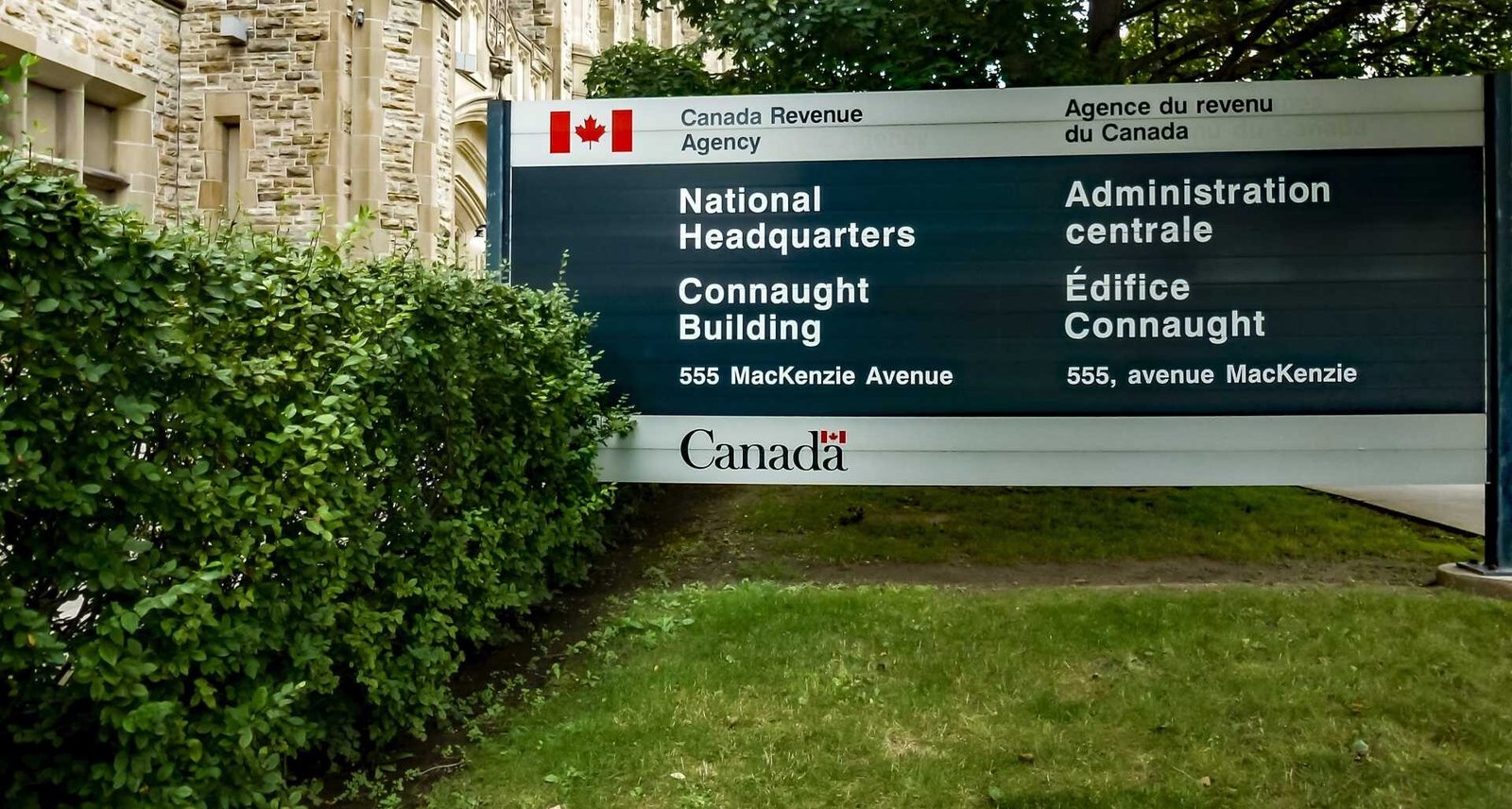
The three-year high in complaints sent to the Taxpayer’s Ombudsperson has come as no surprise to the unions representing Canada Revenue Agency (CRA) employees, despite the 100-day service improvement plan. Ombudsperson Francois Boileau, released his report for the 2025-2026 fiscal year on Tuesday, June 16 which showed that complaints sent to his office increased by more than 760.
Boileau’s report showed the top area of concern for people filing complaints was the service provided by call centres. Many taxpayers were unable to reach a call centre agent due to high wait times. Those who did reach an agent would sometimes receive information that was incomplete, inaccurate, or unclear.
Staffing shortage driving issues in Call and Taxation centres
Marc Brière, the president of the Union of Taxation Employees (UTE), a component of the Public Service Alliance of Canada, said the volume of complaints were not surprising given the “catastrophic” situation in call centres in 2025. The year before, the CRA cut nearly 10,000 positions. Brière said this led to high workloads for call centre agents and therefore an erosion of service quality for Canadian taxpayers.
“The call centres were drowning,” he said in an interview with rabble.ca. “It was a worse place to work, a lot of stress, a toxic environment and lots of pressure on the staff.”
He also noted that the tendency to terminate contract hires only to rehire them later led to issues with retention and therefore led to the loss of expertise these workers developed during their term with the CRA.
The cuts to the CRA do not only affect the call centres.The second most prominent area of concern among complainants who reached out to the Taxpayer’s Ombudsperson’s office was the processing time for complex T1 adjustments. Boileau said his office is launching an examination into why this is happening.
A press release by the UTE said they are not surprised by the issues because they have recommended that the CRA hire more people for their taxation centres but the recommendations have not been implemented at the scale required. They also highlighted that delays in T1 processing can cause financial hardship for tax filers and erode public confidence in the CRA.
“The Agency is short hundreds of employees in its taxation centres to significantly
reduce processing times,” Brière said in the statement. “ We believe the Taxpayers’ Ombudsperson’s systemic review will reach the same conclusion. Furthermore, we believe that training for new employees should be improved.”
The Professional Institute of the Public Service of Canada (PIPSC) were also unsurprised by the Taxpayer’s Ombudsperson’s report. In an emailed statement to rabble.ca the union wrote this report is just another warning about what occurs when there are cuts and underinvestment at the CRA.
“Long wait times, service delays, and growing frustration don’t happen by accident. Every service failure Canadians experience today can be traced back to a decision to do more with less,” their statement reads. “CRA professionals want to help Canadians, but they are being put in an impossible position by political decisions beyond their control. When professional capacity is slashed, training is eliminated, and fiscal expertise is replaced with algorithms, services break down and the public pays the price.”
Some improvement, but the work must continue
The most recent tax season saw service improvements, according to the CRA. These improvements would not necessarily be reflected in the ombudsperson’s report which covers the fiscal year from March 2025 to March 2026. The most recent tax season ended on April 30, 2026. In May, the CRA reported that contact centres received about 120,000 calls per day and a total of 6.5 million calls during the whole season. Call centre agents were able to answer an average of 75 per cent of unique callers.
“The 2026 tax season reflected the CRA’s continued focus on improving services for Canadians,” said François-Philippe Champagne, Minister of Finance and National Revenue. “By embracing new technologies and innovative approaches, filing your taxes is becoming more efficient, reliable, and user-friendly—advancing the CRA’s mission to administer tax and benefits programs that support the economic and social well-being of all Canadians.”
Both PIPSC and UTE have emphasized that the solution, in their perspective, is to increase staffing. PIPSC highlighted the most recent Auditor General’s report which noted that aligning staffing levels with demand will improve service. Brière from UTE said he has on multiple occasions asked the minister to rehire some CRA staff.
Since the slashing of 10,000 jobs between 2024 and 2025, the CRA has heeded warnings from the UTE and rehired 2,500 workers to CRA call centres. This has led to some improvement, according to Brière, but the work must continue.
“When, during the tax season, you receive 1.5 million calls a week, there’s no miracles,” he said. “You need to have people transfer those calls. You also need more stability, less contracts. People have to have stability.”
Brière said the CRA should avoid deep cuts despite the ongoing comprehensive review of government expenditures which has led to workforce reductions. He said this is because the CRA had faced deep cuts before the expenditure review started and the consequences of this were seen over the 2025 tax season. Additionally, the CRA deals with the public directly very often.
Brière also noted that the work of CRA employees generates revenue for the government. This is a fact PIPSC also highlighted when calling for staffing levels to meet demand at the CRA. The union noted that the Parliamentary Budget Officer estimated that the government loses $25 billion each year to profit shifting and other tax avoidance strategies.
