
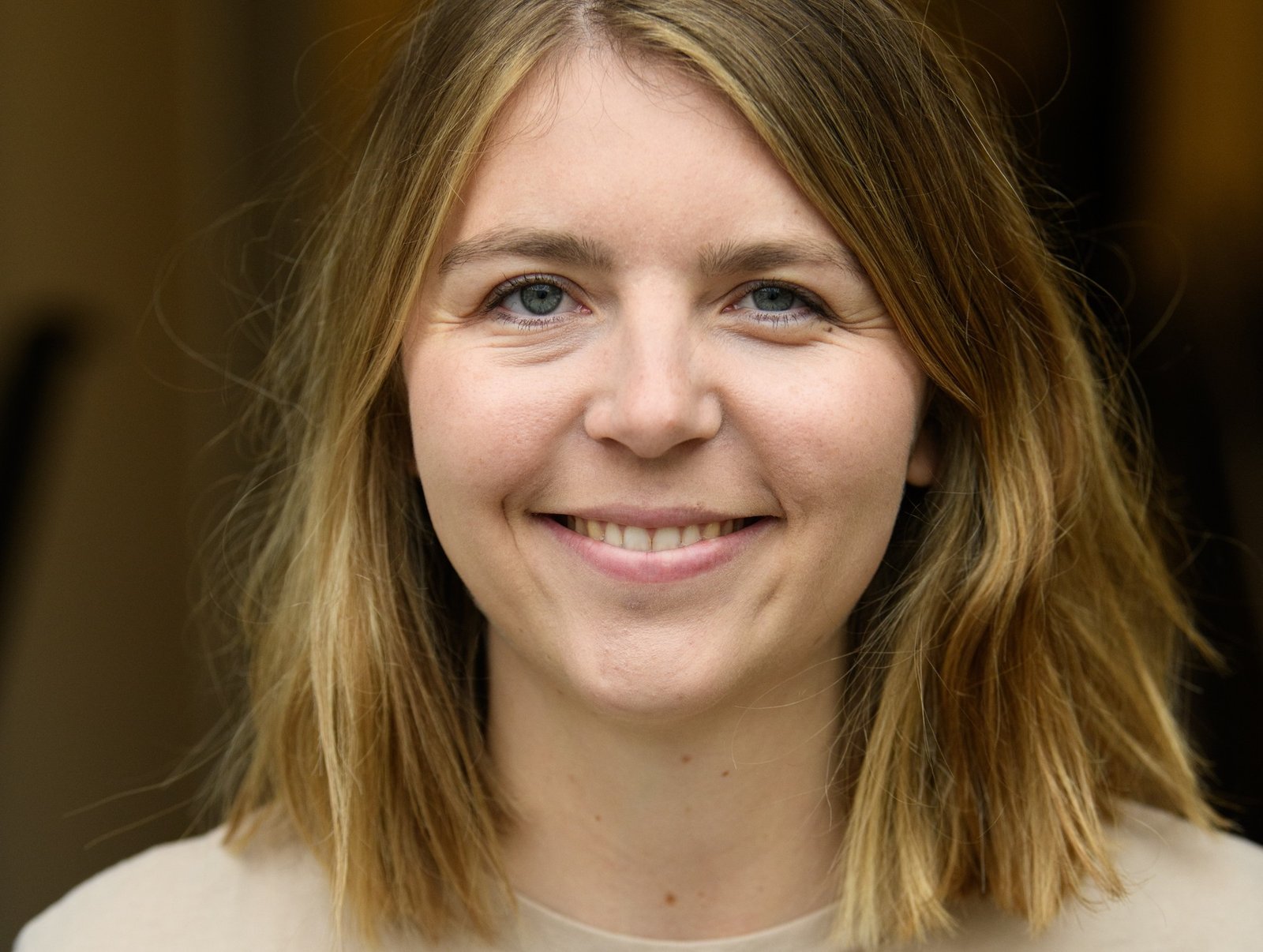
“A successful industry platform is not only about scheduling meetings; it is about creating shared memories”
– The new head of Industry outlines her vision for a more connected and internationally minded platform, from co-production initiatives to fostering dialogue across the film sector
(© Jean-Marx Tumes)
As the Munich International Film Festival continues to expand its industry ambitions, newly appointed head of Industry Alina Götzlich is helping shape a platform that combines professional exchange with meaningful dialogue and community building. From the launch of the First Cut+ Munich work-in-progress showcase (see the news) to a renewed focus on democratic discourse and international co-production, she discusses the festival’s vision for creating opportunities, fostering connections and strengthening Munich’s role as a gateway to the German film industry.
Cineuropa: You have described cinema as a tool for social discourse and democratic engagement. How do you translate that vision into a concrete industry programme?
Alina Götzlich: In uncertain and fast-changing times like today, it is more important than ever to talk to each other, and film is a tool to open up those conversations. That’s why, together with our partners, we have put together a programme that tries to create space for this. In one panel, Network Film & Democracy, an alliance of over 40 associations and organisations in the German film industry will talk to filmmakers from the festival programme about the significance of telling stories of war and the responsibilities of filmmakers at a time when authoritarian movements are gaining traction in Europe and societies are becoming increasingly polarised. We also want to look at how to reach and engage with specific target audiences, from development through to evaluation. The new FILMALYST project from Film University Babelsberg will provide insights into how socially relevant films are created and will ask what their impact is, together with giving practical examples such as those of Yellow Letters and The Family Approach.
First Cut+ Munich is one of the major new initiatives this year. What gap does it fill within the festival’s existing industry ecosystem?
We’re very proud to present the first work-in-progress showcase of the Filmfest München Industry Days this year. Together with our long-standing partner on the Munich Film Up! mentoring programme, Tatino Films, we’re welcoming six filmmakers with promising projects drawn from Tatino’s flagship initiatives. From first features to hybrid documentaries, it is a diverse selection. With First Cut+ Munich, we are filling an important gap between project development and market launch. While our CineCoPro Pitch focuses on projects in development and production, First Cut+ Munich supports films that are already well advanced and entering the crucial final phase before completion. By giving filmmakers access to decision makers at a key moment in their project’s journey, the initiative strengthens our industry ecosystem and helps promising international films find their path to audiences, festivals and distribution. We’re certain that some of these titles will become part of future festival editions.
The CineCoPro Conference has become a central pillar of the Industry Days. What made the Nordic countries the right focus for this year’s edition [see the news]?
The Nordic countries have built one of Europe’s strongest co-production networks over recent years. Their producers are accustomed to working internationally, which makes them ideal partners for this year’s CineCoPro Conference. At the same time, there has been a growing conversation around Nordic-German collaboration, rooted in similarities within the filmmaking landscape. By putting the five Nordics in the spotlight, we want to strengthen this development and provide it with a dedicated platform. We also want to focus on the next generation of producers. That’s why we’re inviting talented emerging producers from the Nordics to connect with established German ones, helping to build relationships that could shape European cinema for years to come.
Many festivals compete for industry attention. What distinguishes the Munich experience from other European industry platforms?
It is the combination of accessibility, atmosphere and, above all, its unique position within the German film landscape. We see ourselves as the number-one platform for national filmmaking and the key gateway for international professionals looking to access the German film industry. Anyone interested in understanding our national market, discovering emerging talent, or building partnerships with German producers and institutions will find opportunities to do so through our many networking events, whether at the Happy Hours in our Industry Beergarden or on the traditional Isar raft trip. At the same time, we attract leading international industry professionals, yet our platform remains compact enough to allow meaningful conversations to happen naturally. Everything is close by, and participants have the opportunity to meet and connect with almost everyone involved in the industry and festival programme.
The Industry Days combine business events with activities. How important is creating space for personal connections in today’s industry?
While our industry has become more global and digital, meeting each other in person and creating shared memories will always be crucial, perhaps even more important than ever. Some of the most meaningful professional relationships are established through informal conversations and shared experiences. Activities such as the raft trip, the Isar jump or casual networking events create an atmosphere where people can connect more authentically, beyond their professional titles. These moments help build trust, which is often the foundation for future collaborations, co-productions and partnerships. We believe that a successful industry platform is not only about scheduling meetings; it is about creating shared memories.
As you take on this new role, what would you like the international industry to associate with Filmfest München three years from now?
From the beginning, my main motivation in my new role as head of Industry has been to build a platform that offers activities supporting the industry in its various needs while at the same time opening up space for communication. This is also what I would love to see for the future of the Industry Days: a space where open dialogue is possible, where industry professionals can exchange ideas honestly, and build meaningful relationships based on accessibility and trust. It should be a place where emerging and established professionals feel equally welcome, where important conversations happen not only on stage, but also between people, and where international guests can gain unique access to the German film industry.
