
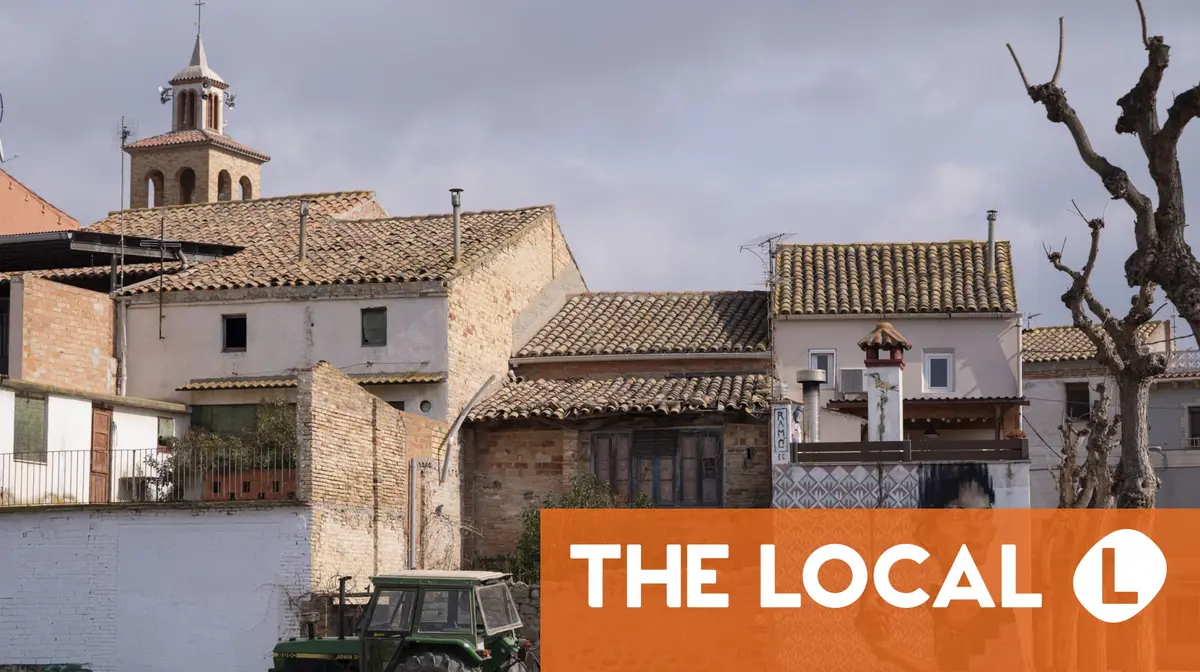
A new report has shown the stark differences in population and property pressures between rural and urban areas of Spain, with some inland areas full of homes sitting empty.
In the midst of a widely-reported housing crisis, a new report has laid bare the stark differences between rural and metropolitan markets in Spain.
The figures show that Spain has some 3.8 million unused homes, almost half of which are in towns with fewer than 10,000 inhabitants, whilst the major cities face a shortfall of at least 750,000 homes.
This is according to a new report, Poblaciones en peligro, published on Wednesday by Spain’s Rental Observatory using data from the National Statistics Institute (INE) to illustrate a territorial divide in the housing market that has been worsening for decades and has spurred rural depopulation in Spain.
The vacancy imbalance is most pronounced in municipalities with fewer than 100 inhabitants, where up to 70 percent of the housing stock stands empty or is used only very occasionally, the data shows.
READ ALSO: Bank of Spain supports limits on short-term lets to curb housing crisis
In villages with between 100 and 500 residents, the proportion is 57 percent.
Both figures stand in stark contrast to the shortage faced in big cities and by metropolitan areas, where finding affordable housing has become one of the country’s main economic problems.
The wave of anti-tourism protests in major Spanish cities and island resorts in recent years have centred largely on the proliferation of short-term tourist rental properties and its impact on prices and supply in local rental markets.
The report by the Rental Observatory provides further insight into the unequal distribution of this population and property in Spain, two underlying causes of the crisis in the country.
Some 84 percent of the country is home to just 16 percent of the population and 14.4 percent of the total housing stock.
Conversely, large urban areas account for 70 percent of the population, having gained more than six million new residents since 2001.
Of the 8,132 municipalities in Spain, 61.2 percent have fewer than 1,000 residents and almost half fall below the European threshold for depopulation risk, set at 12.5 inhabitants per square kilometre.
Municipalities with fewer than 10,000 inhabitants are home to just over 20 percent of the population and account for 45 per cent of the country’s housing stock, with much of it sitting empty.
But empty houses are not the only sign of rural depopulation.
Between 2012 and 2016, 311 post offices closed in rural areas. Over the last decade, more than 250 nursery and primary schools have closed, and by 2023 the total number of health centres and clinics had fallen to an all-time low, according to a report by the Spanish Rent Observatory (Observatorio del Alquiler) based on data from the INE.
READ ALSO: Why do prices keep rising if property purchases are falling in Spain?
