“Our ambition is not only to distribute films in Taiwan, but to grow alongside our audience”
– The managing director of the Taiwanese outfit speaks about distribution as a form of curation, and about building collections of films that create an engaging thematic dialogue
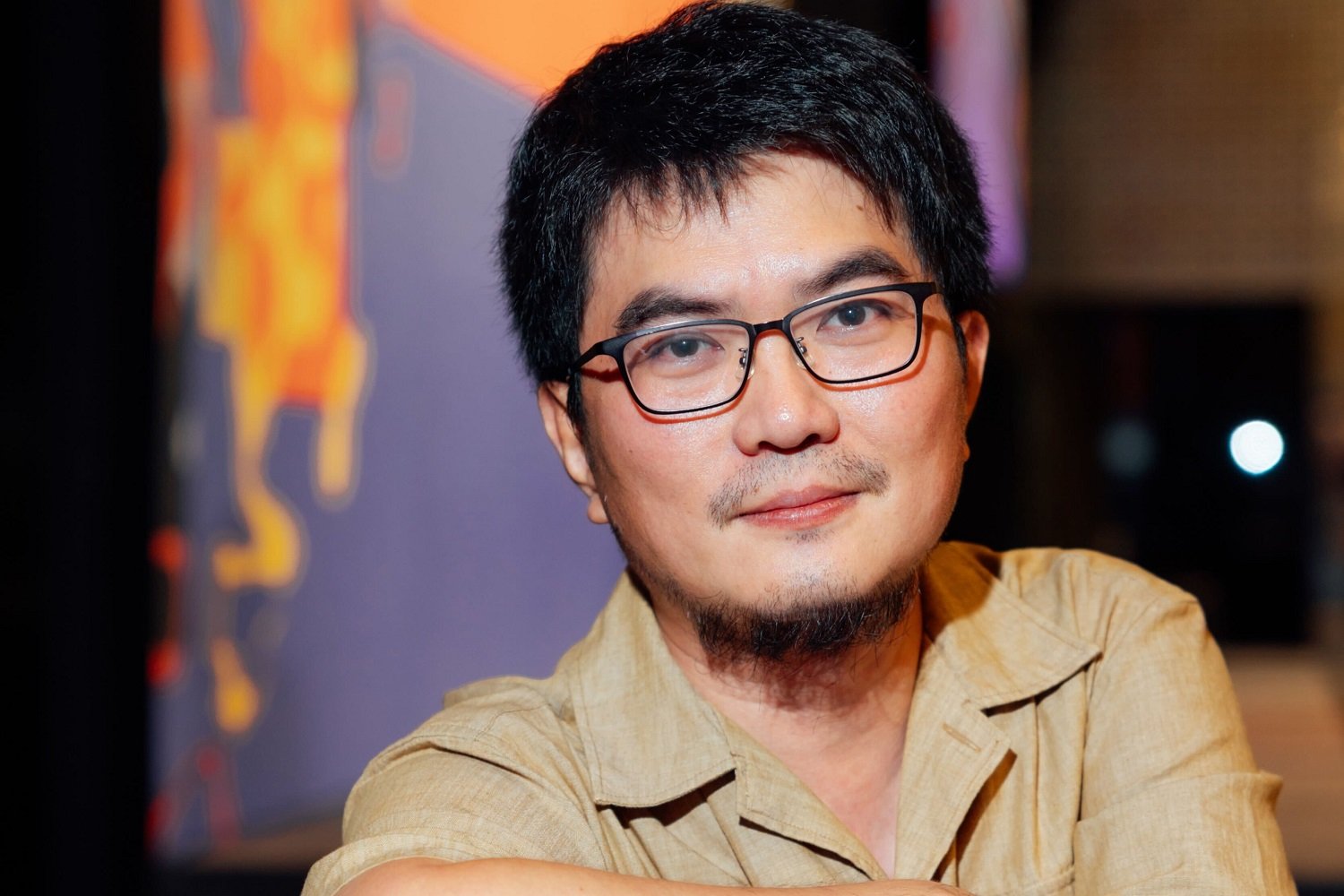
For our latest edition of Cineuropa’s Distributor of the Month column, we spoke with Mike Chang, managing director of Andrews Film. The Taipei-based film distribution company was founded in 2014 and is known for bringing a rich selection of arthouse titles from Europe and beyond to Taiwanese audiences.
Cineuropa: What is your editorial policy, and what types of films are you looking for?
Mike Chang: We often joke that we’re less like a traditional distributor and more like a curator. Sometimes, we even describe ourselves as “an arthouse distributor for art school students”. Our programming strategy has always been closer to curation than pure acquisition. Rather than chasing obvious commercial hits, we build our slate around recurring themes such as feminism, women’s autonomy, gender and stories of self-discovery. We are always drawn to films that invite audiences to reflect on themselves and the people around them.
We don’t expect every film to be a major commercial success, and that has never been the point. What matters to us is gradually building a relationship with our audience, so that over time they come to recognise our taste and understand the kind of stories we are drawn to. Most of the films we acquire have already been well-received on the international festival circuit. Awards are not essential, but we look for films that speak to contemporary audiences and reflect today’s values and ways of thinking, rather than more traditional or outdated ones.
Has your approach changed over the years?
When I first started, I was more willing to take risks on LGBTQ+ films. Later, I realised that although Taiwan is often seen as progressive, audiences can still be cautious when it comes to transgender narratives and more complex discussions of gender identity. There are films I still deeply admire, but sometimes I choose to appreciate them personally rather than bring them into the market. The post-pandemic period also changed the landscape significantly. It is always a balancing act between staying true to our curatorial identity and ensuring that the films can still find an audience.
How many titles do you work with each year, and at what stage do you acquire these films?
We release around twelve films a year. In most cases, we acquire films after seeing them at international festivals, where we can fully assess both the work itself and the audience response.
However, when it comes to filmmakers we know and trust, such as Ryusuke Hamaguchi or Paweł Pawlikowski, we are sometimes willing to pre-buy the rights before the film premieres. After following a director’s work over time, there are cases where we feel confident enough in their artistic vision to commit early.
You distribute many European films and co-productions. Are there any titles that you’re particularly excited about now, and how do they fit into your overall slate?
Many of the films we are drawn to turn out to be international co-productions. This is something we often notice, and perhaps it is because collaboration between different countries and cultures brings additional depth and complexity to the work. Right now, we are particularly excited about All of a Sudden and Fatherland. Despite their differences, they share a very similar sensibility; both films place women at the center of their narratives and are interested in how people change over time, how lives are shaped by experience and how we ultimately learn to treat one another with greater empathy and care.
We also like to create dialogues between films across our slate. For example, we plan to pair All of a Sudden with Queen at Sea around the theme of dementia and memory. Fatherland will be presented alongside Cold War and Ida in a programme exploring history, identity and inherited memory.
Could you briefly outline a recent successful distribution strategy or campaign?
Our most successful recent release was probably Sirāt. It was my favorite film from Cannes last year. As a Buddhist, I was struck by how deeply its themes resonated with universal human experiences. Beneath its striking surface, the film speaks about displacement, the end of the world as we know it and how people cope with loss, whether of loved ones or even of themselves.
We felt the film’s audiovisual experience was inseparable from its emotional impact, so we released it in premium formats, including IMAX and Dolby Cinema, and positioned it as a film that truly needs to be experienced in a cinema. What made the release particularly interesting was its polarising reception. One group absolutely loved it, while another strongly disliked it. Rather than limiting its reach, those strong reactions created a wave of discussion online, which in turn generated curiosity among audiences who had not yet seen the film.
What are some challenges and opportunities that you have as a Taiwanese distributor?
One of the biggest challenges we face today is that cinema no longer occupies the central place in people’s leisure time that it did a decade ago. Audiences now have countless entertainment options, many of which are available without leaving home. As a result, even when we invest significant effort into introducing an emerging filmmaker or a lesser-known title, there is no guarantee the film will reach its audience.
Still, this is exactly why we believe our work matters. Ultimately, our ambition is not only to distribute films in Taiwan, but to grow alongside our audience. We hope each release can inspire new conversations and broaden perspectives.