
All stories in El Jalapeño are satire and not real news. Check out the original article here.
Following reports that average tourist spending fell 4.9% while overall arrivals increased, federal tourism officials announced a sweeping strategic pivot Thursday: Mexico will formally abandon its pursuit of high-spending visitors in favor of a new, high-efficiency vision focused exclusively on the budget traveler.
The strategy, officially designated the “National High-Volume, Low-Yield Optimization Initiative,” reframes recent economic data as a resounding operational success. Rather than courting luxury travelers who arrive by air and spend an average of US $1,310, the ministry will reallocate its global marketing budget to target visitors whose primary vacation priority is spending under US $118 before walking back across the border.
“For years, our tourism strategy was bogged down by high expectations and complex hospitality demands,” said Ministry of Tourism spokesperson Mateo Estrada during a morning press conference. “By shifting our focus toward visitors who buy a single bottle of water, take two photographs near the port of entry and promptly return home, we have dramatically streamlined the nation’s service economy.”
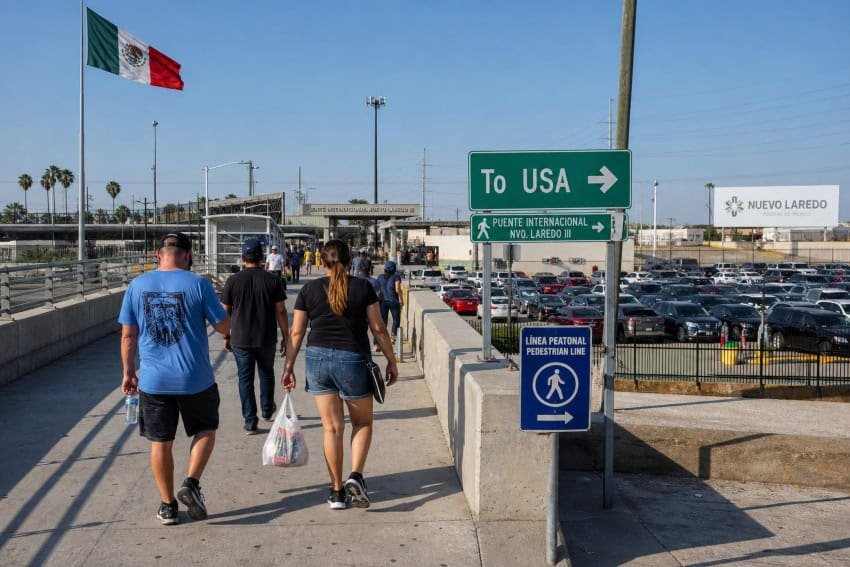
Under the new guidelines, luxury resorts in Cancún and Los Cabos will be encouraged to diversify their amenities by replacing fine-dining establishments with high-throughput convenience stalls. Officials noted that while air arrivals declined by 9% in May, border crossings surged, proving that the future of Mexican hospitality lies not in five-star suites, but in wide, well-paved footpaths near international bridges.
Industry analysts have praised the bureaucratic agility required to turn a drop in air travel into a deliberate policy objective. According to internal projections, the ideal 2027 campaign will target day-trippers who pack their own sandwiches, thereby reducing the burden on municipal waste systems and eliminating restaurant wait times altogether.
“High-spending tourists require heated pools, flight connections and extensive concierge services,” Estrada added. “The low-value tourist requires only a sidewalk. From a pure overhead perspective, the margin on a visitor who spends nothing is virtually infinite.”

The ministry confirmed that future promotional campaigns will phase out imagery of pristine beaches and historic architecture, replacing them with detailed maps highlighting affordable parking lots within 200 yards of the border.
Check out our Jalapeño archive here.
Got an idea for a Jalapeño article? Email us with your suggestions!
