
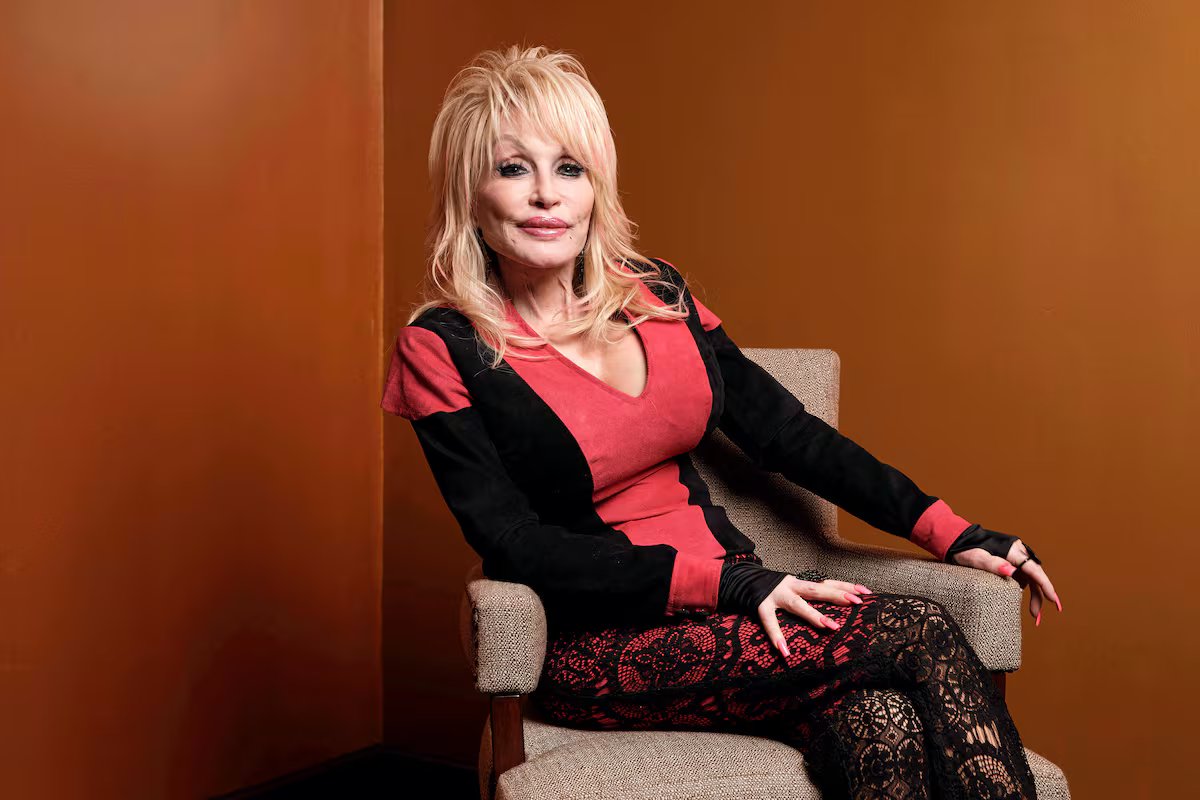
Dolly Parton, the iconic American singer who devoted herself to music from the moment she wrote her first song at the age of six, died on Tuesday at the age 80. Beloved as much for her stage presence as for her charisma, her death was announced by her nephew, Bryan Seaver, in words that captured a legacy extending far beyond music.
“Dolly has lived in the light and is in the arms of Jesus. […] Dolly also opened doors for generations of singers, songwriters, musicians and dreamers from every walk of life and across every continent. By her example, we believed that anything is possible. She never saw a door she couldn’t open, and the doors she opened made and changed history,” Seaver said.
“She has always been on your television, your record player, your CD and on your phone playlist, becoming an extended part of your family,” he added.
Seaver also remembered her as someone who honored the legacy of her father, a farmer. “Dolly was a farmer, just like her daddy; he farmed the soil, she farmed songs and happiness,” he said.
Born on January 19, 1946, in Tennessee, Parton grew up in humble circumstances and showed an extraordinary gift for singing and songwriting from an early age. Over a career spanning more than six decades, she became a country music legend and a globally celebrated artist.
Parton rose to fame with songs such as Jolene, 9 to 5 and I Will Always Love You, the latter of which was later made famous around the world by Whitney Houston. Beyond her music career, she also found success as an actress in films including 9 to 5 and Steel Magnolias. She was equally renowned for her philanthropic work, particularly through initiatives promoting education and children’s literacy.
Known for her razor-sharp wit, Parton had one final request for her family: that she be laid to rest on a cotton bed because, “after a life of wearing heavy rhinestone,” she felt she had earned the right to be comfortable.
Sign up for our weekly newsletter to get more English-language news coverage from EL PAÍS USA Edition
