
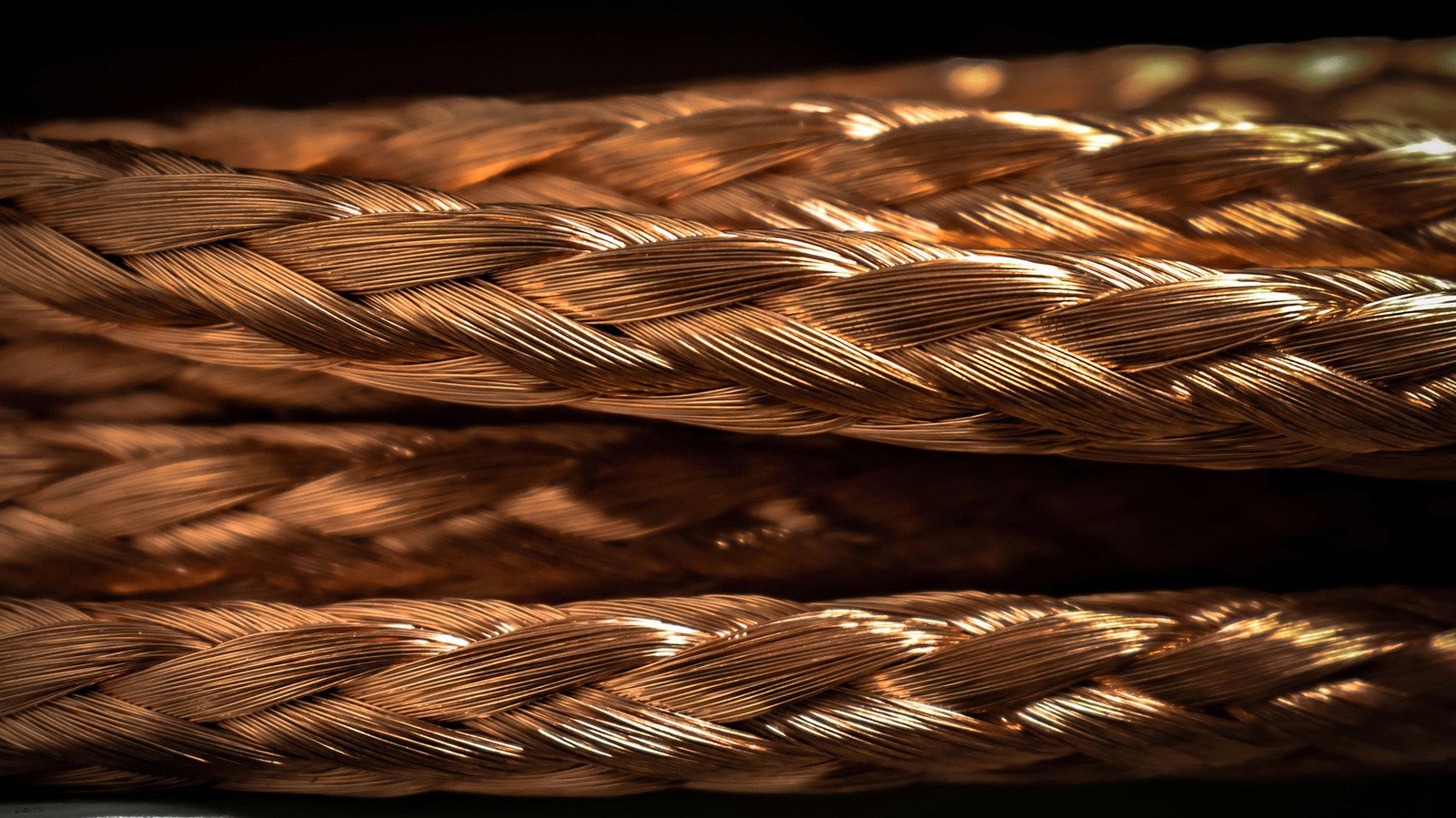
Lndlines are finding a second life as valuable scrap metal.
Landlines may get the last laugh after all. As the UK converts to full-fiber broadband, its old copper network is becoming quite the asset. The Guardian reports that the telecom BT could end up bringing in more than £2 billion ($2.7 billion) by recycling the metal from its old phone lines.
BT’s recovered copper was previously valued at around £1.5 billion. But prices have surged, thanks to rising global demand tied to AI data centers, renewable energy and electrification. With global demand expected to grow sharply over the next decade, the value of BT’s copper could potentially exceed even that £2 billion estimate.
The BT subsidiary Openreach is in the process of replacing its legacy copper network with full-fiber broadband, with plans to connect 30 million residences by the end of the decade. It’s already recovered nearly 10,000 metric tons of copper in its latest financial year and over 22,000 metric tons since 2023. “Copper has become one of the most strategic materials in the modern economy,” according to Openreach’s head of sustainability, Abby Chicken.
Unsurprisingly, BT isn’t waiting to profit from the recovered metal. It has an agreement with EMR, a cable recycling company, and recently received £99 million up front for recovered copper.
Thieves have taken notice, too. Those rising copper prices have made old landline cables an increasingly attractive target, with neighborhoods sometimes being knocked offline as robbers make off with the suddenly valuable metal. Openreach has responded by marking some cables with a synthetic DNA and UV tracer. Imagine that heist movie.
Regardless, it turns out there is still money to be made in landlines in 2026. You just have to dig them up first.
