
Novartis is growing in oncology, but its moves to develop targeted cancer therapies had steered clear of antibody drug conjugates, one of the most active areas of cancer research and dealmaking. That changes now. The pharmaceutical company is jumping into this field, announcing Monday a more than $1 billion deal to acquire Myricx Bio, a startup developing next-generation drugs that could overcome some of the limitations of this therapeutic modality.
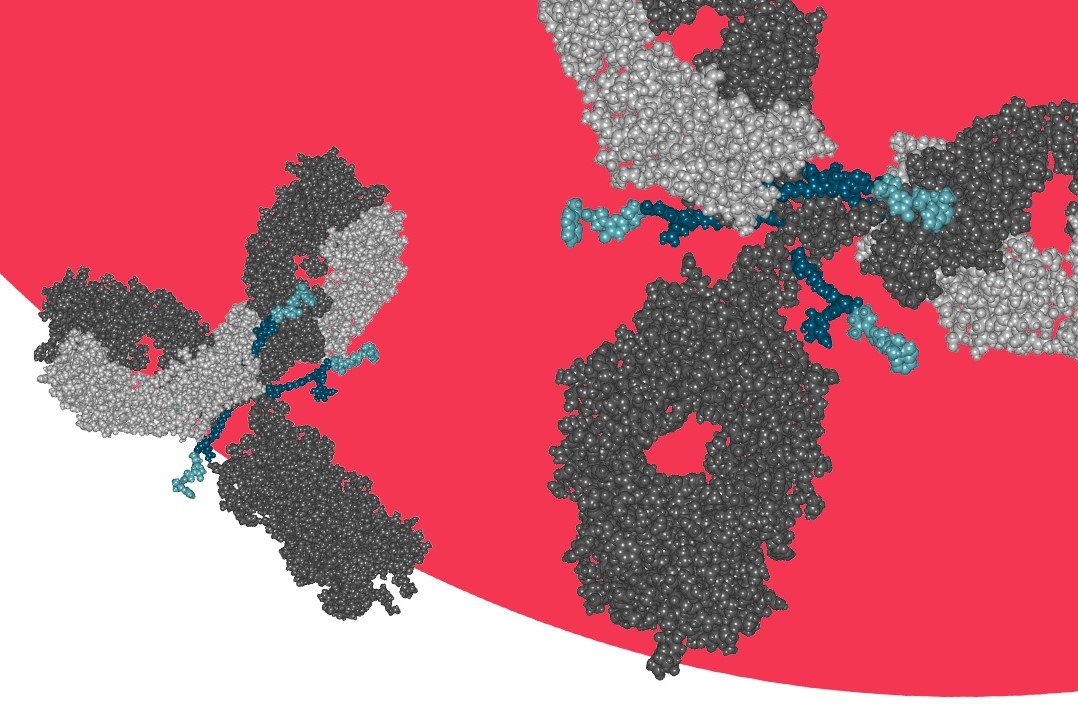
An antibody drug conjugate (ADC) is comprised of a targeting antibody linked to a toxic drug payload, such as a chemotherapy. But cancers can develop resistance to such payloads. Also, the toxicity of ADCs can limit dosing to levels below what’s needed to effectively treat a cancer. Myricx aims to overcome those problems with a drug payload that takes a novel approach, inhibiting N-myristoyltransferase (NMT), an enzyme key to the growth and survival of cancer cells.
In preclinical research, Myricx said its NMT inhibitor payload showed the potential for broad activity across solid tumors, including those that have developed resistance to topoisomerase-1, which is a commonly used payload. ADCs that carry the topo-1 payload including Enhertu from partners Daiichi Sankyo and AstraZeneca and Trodelvy from Gilead Sciences.
London-based Myricx has two lead ADCs with NMT inhibitor payloads. One is designed to target HER2, which could put it in competition with Enhertu and Roche’s Kadcyla, both blockbuster products. The other Myricx ADC targets B7-H3, putting it in the mix of clinical-stage candidates from GSK, and partners Merck and Daiichi Sankyo. Meanwhile, BioNTech has HER2- and B7-H3-targeting ADCs licensed from DualityBio.
In a prepared statement, Fiona Marshall, president of biomedical research at Novartis, said the Myricx deal reflects her company’s strategy to turn to innovative platforms, as it did with radiation therapies. Novartis has become a leader in such targeted cancer treatments with the FDA-approved radioligand products Pluvicto and Lutathera.
“ADCs have become an important part of cancer treatment, but there remains a clear need for new payload mechanisms to overcome resistance and expand their impact for patients,” Marshall said. “Myricx Bio has developed a promising [NMT inhibitor] payload platform with a differentiated mechanism that could broaden the use of ADCs across multiple tumor settings.”
Myricx is based on NMT research from Imperial College London and the Francis Crick Institute. The startup launched in 2020 as Myricx Pharma with £4.5 million (about $6 million) from Sofinnova Partners and Brandon Capital Partners. While the initial research focused on developing oral small molecule drugs, Myricx later pivoted, changing its name to Myricx Bio and presenting preclinical ADC data at medical conferences in 2023. These results showed a small molecule NMT inhibitor could be chemically linked to an antibody to make an ADC with a potentially wider therapeutic index, a dose range that balances both safety and efficacy.
In 2024, new investors Novo Holdings and Abingworth led Myricx’s £90 million (about $114 million) Series A financing to support plans to advance to the clinic. When Myricx announced the appointment of former Fusion Pharmaceuticals executive Mohit Rawat as its new CEO last September, the startup said it expected its ADCS would enter the clinic in 2026.
There’s potential competition in the NMT inhibition space. Privately held Pacylex Pharmaceuticals is developing an NMT inhibitor called zelenirstat. The Edmonton, Canada-based biotech has advanced this small molecule to early clinical development in blood cancers. Pacylex’s pipeline also lists a discovery-stage ADC incorporating zelenirstat as its drug payload in development for various solid tumors.
https://www.pacylex.com/#Pipeline
Oncology is Novartis’s largest therapeutic area, accounting for $16.8 billion of the company’s $54.5 billion in revenue last year. Its top cancer product is Kisqali, a small molecule designed to block the cancer-driving enzymes CDK 4 and 6 to treat HR-positive and HER2-negative breast cancers. Patents for this drug start expiring in 2031.
Under the terms of the Myricx deal, the $1.1 billion sum is an upfront payment. Up to $400 million more tied to the achievement of milestones. The companies expect to complete the transaction in the second half of this year. Myricx is Novartis’s second cancer acquisition this year. In March, Novartis agreed to pay $2 billion up front to buy Pikavation Therapeutics, a company whose lead program is an oral small molecule in Phase 1/2 testing for breast cancers driven by a particular genetic signature.
Image by Myricx Bio
