
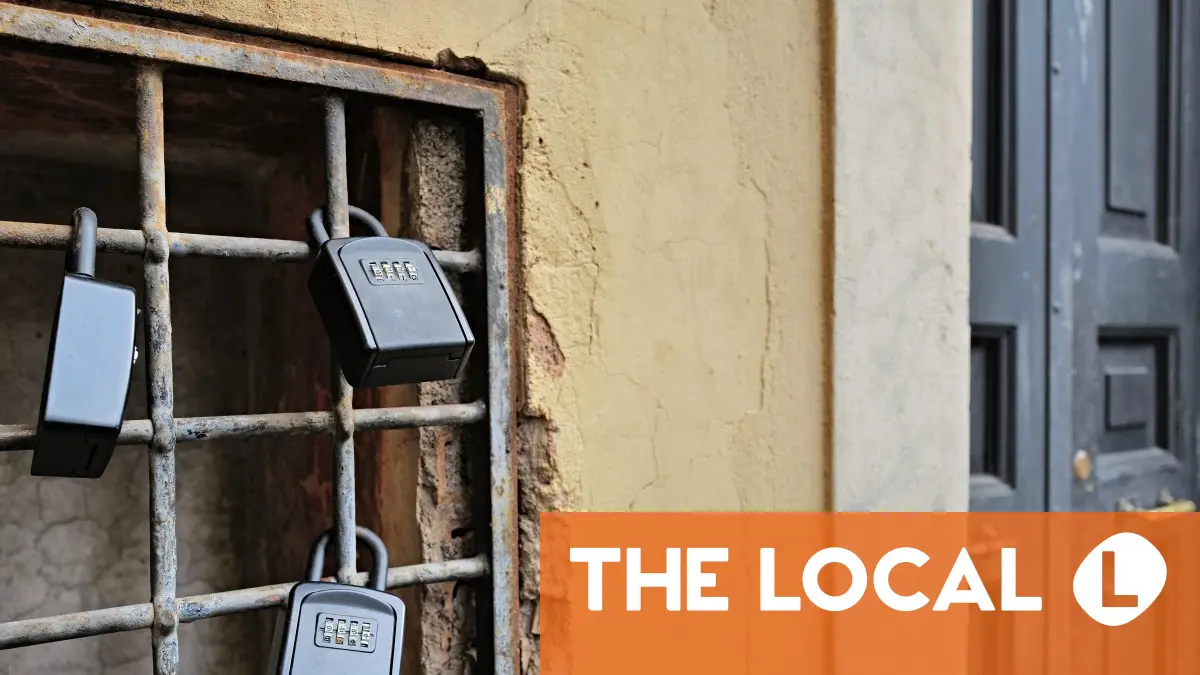
Spain’s central bank has backed targeted measures to limit short-term rentals as it announced a shortfall of up to 750,000 properties for residents in the country.
The Bank of Spain has waded into the debate on Spain’s housing crisis, calling for targeted limits on short-term rentals.
In its 2025 annual report, the bank puts the cumulative housing shortfall in Spain between 2021-2025 at around 700,000 to 750,000 properties.
These are the number of properties it says would be needed to meet the needs of a market in which increasingly strong demand is driven by population growth, rising immigration, growing employment and household incomes, and increasing numbers of second properties owned by non-residents.
Short-term rentals, often for tourist purposes, have been blamed by many in Spain for destabilising the market and sending prices soaring, notably during the wave of anti-tourism protests in recent years.
Town halls and authorities have tried to clamp down on Airbnbs and other tourist rentals in recent years.
On a national level, Airbnb was recently forced to take down 65,000 listings by the Spanish government, and the national government has flagged a further 55,000 tourist lets which have not been properly registered.
However, the bank has not advocated for the sort of direct market intervention, at least not in terms of price controls, called for by some in Spain.
READ ALSO: Airbnb demands Spain adopt different rules for tourist rentals in rural areas
In its findings, the bank advocates combining specific measures to boost housing supply with short-term measures to address demand, in order to tackle what it views as “severe access problems” in the wider market.
These measures must be specifically targeted to be effective, however, the bank says.
The report backs “limits on non-residential uses of housing (tourist and seasonal flats) in the most strained areas, provided that these are temporary and highly targeted” given that this type of regulation “can curb demand in areas with access problems”.
Holiday lets account for 1.5 percent of the total housing stock in Spain, “although their relative share reaches around 10 percent of the rental market as a whole”, the report notes.
READ ALSO: Why do prices keep rising if property purchases are falling in Spain?
The document also notes that demand-side policies can help to mitigate the current housing affordability crisis in the short term, both to curb non-residential demand and to “protect vulnerable households”
However, it stresses that these policies must take into account the effects they may have on supply if the measures are maintained without spurring great supply, that is, in other words, stimulating house building.
Furthermore, the bank also rejects price interventions such as rent caps and instead proposes “targeted” measures for certain highly vulnerable groups.
READ MORE: Why Spain’s rural holiday lets are unlikely to be targeted by crackdown on Airbnb
