
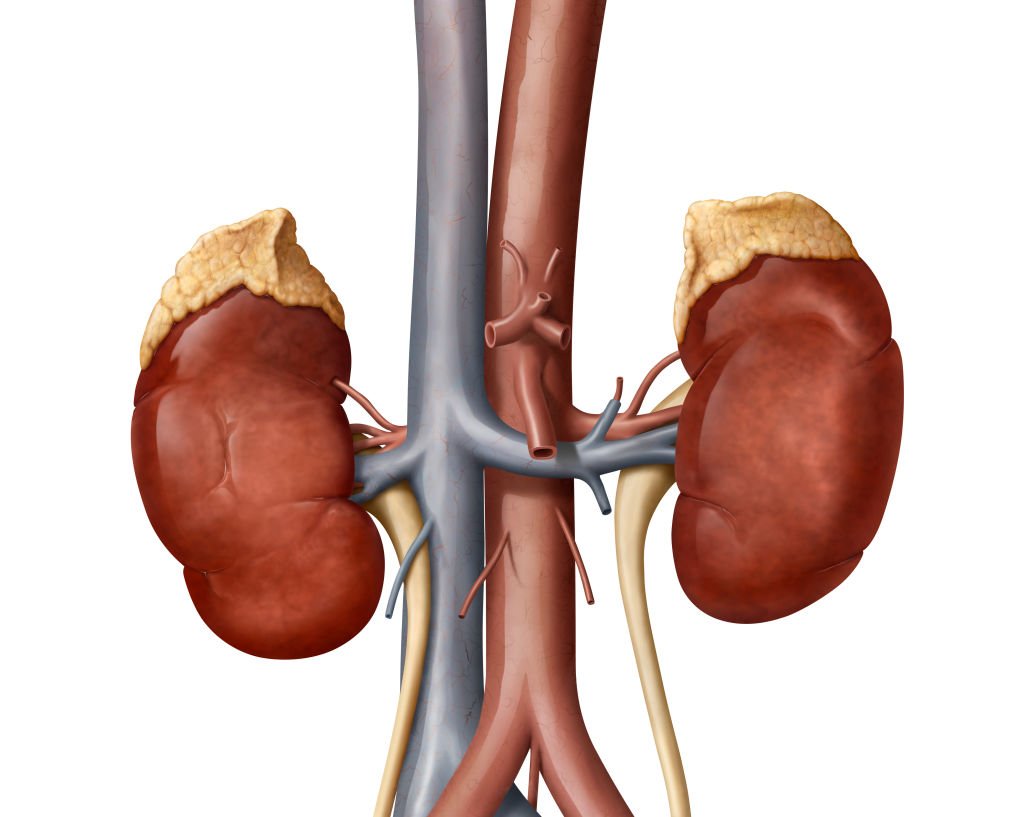
The journey of a Travere Therapeutics drug has culminated in a long-awaited FDA approval, making the once-daily pill the first therapy for a rare disease that, in severe cases, leads to kidney failure requiring an organ transplant.
The approval for the drug, Filspari, covers the treatment of focal segmental glomerulosclerosis (FSGS) in patients age 8 and older. The regulatory decision announced late Monday is based on a different clinical trial goal than what Travere initially set out to measure when the pill’s Phase 3 program began eight years ago. It’s a change the FDA suggested last month.
In FSGS, scarring develops in glomeruli, the tiny filtering units of the kidney. To stave off progression to end-stage renal disease, the condition is managed with anti-inflammatory and immunosuppressive drugs intended to stop the immune system from attacking glomeruli. Blood pressure medicines and antidiuretics have also been used to treat FSGS, but there have been no drugs specifically approved for treating this rare disease.
Filspari is an oral small molecule designed to block the endothelin type B and angiotensin II receptors, both of which play roles in progression of kidney disease. In 2023, Filspari failed a Phase 3 test in FSGS. While the study drug showed improvement on estimated glomerular filtration rate (eGFR), a measure of kidney function that was the main trial goal, these results were not statistically significant compared to treatment with the blood pressure drug irbesartan.
Following the failed study, a collaborative international effort formed comprised of patient advocacy groups, regulators, and industry representatives, Travere said in its annual report. The shared goal was to find a way to define the relationship between short term biological indicators and long-term outcomes in FSGS. This definition could support use of an alternative goal to support a regulatory approval in the disease. The collaboration found that reduction in urine proteins indicative of kidney disease, or proteinuria, over 24 months is strongly associated with a reduction in the risk of kidney failure, Travere said. That finding led a group of rare kidney disease experts to reach consensus around use of a proteinuria-based clinical trial endpoint for FSGS.
During an early March meeting to discuss Filspari’s review, the FDA suggested approval in a narrower group of FSGS patients, Travere Chief Medical Officer Jula Inrig said during a Monday evening conference call. The agency pointed out that the clinical trial results showed a better response in FSGS patients who do not have nephrotic syndrome, a collection of symptoms indicating impaired kidney function.
In the original Phase 3 clinical trial, Filspari led to a 46% reduction in proteinuria in the overall study population. By comparison, the irbesartan arm achieved a 30% proteinuria reduction in the overall population. In those without nephrotic syndrome, the drug led to a 48% proteinuria reduction compared to a 27% reduction in the comparator arm.
“Even though we don’t have as great of treatment effect on proteinuria in the patients with active nephrotic syndrome, it’s not that the therapy doesn’t work, it’s that in this patient population, the treatment effect against an active comparator wasn’t as great,” Inrig said. “The signal to noise, it’s messy in this patient population.”
Nephrotic syndrome is relapsing and remitting rather static, Inrig said. Treatment with steroids and supportive care can improve kidney function to a point where a patient becomes eligible for Filspari. In both adults and children, Filspari was generally well tolerated with a safety profile that’s comparable to irbesartan and consistent with other clinical tests of the drug. The Filspari label carries a black box warning for the risk of liver toxicity, a warning that came when the drug was first approved in 2023 for a different rare kidney disease, immunoglobulin A nephropathy (IgAN).
For 2025, Travere reported $322 million in Filspari sales in IgAN, a more than 143% increase compared to the prior year. But the IgAN market is becoming increasingly competitive with new drugs introducing new mechanisms of action to the disease. In the past two years, Novartis has received FDA approvals for Fabhalta and Vanrafia, each taking a different approach to IgAN. Last fall, the FDA approved Otsuka’s Voyxact, a small molecule designed to block a protein called APRIL.
More IgAN competition is coming from companies with fusion proteins designed to block APRIL and another protein called BAFF. Vera Therapeutics’ atacicept is under FDA review with a regulatory decision expected in July. Vertex Pharmaceuticals is preparing to seek accelerated approval for povetacicept in IgAN following recent success in a Phase 3 test.
In a research note, Leerink Partners analyst Joseph Schwartz said Filspari is on track to top $500 million in IgAN sales this year. The FSGS market could be even larger, and for now, Travere has this market to itself. Leerink projects Filspari can reach $1 billion in peak U.S. sales in FSGS and nearly $2 billion across both indications.
“Although IgAN is fiercely competitive with several approved therapies and many more in development, Filspari is the first therapy approved in FSGS, and the development pipeline is sparser,” Schwartz said.
Photo: QAI Publishing/Universal Images Group, via Getty Images
