
);
}
function setButtonState(button, state) {
const hint = button.parentElement && button.parentElement.querySelector(‘[data-author-follow-hint]’);
const followLabel = button.dataset.followLabel || ‘Follow’;
const followingLabel = button.dataset.followingLabel || ‘Following’;
const signinLabel = button.dataset.signinLabel || ‘Sign in to follow’;
const loadingLabel = button.dataset.loadingLabel || ‘Saving…’;
const pendingAuthLabel = button.dataset.pendingAuthLabel || ‘Loading…’;
button.classList.remove(‘is-following’, ‘is-loading’, ‘is-auth-required’);
if (state === ‘loading’) {
button.classList.add(‘is-loading’);
button.disabled = true;
button.textContent = loadingLabel;
if (hint) {
hint.textContent=”Updating your followed authors…”;
}
return;
}
if (state === ‘pending-auth’) {
button.classList.add(‘is-loading’);
button.disabled = true;
button.textContent = pendingAuthLabel;
if (hint) {
hint.textContent=”Checking your sign-in status…”;
}
return;
}
button.disabled = false;
if (state === ‘following’) {
button.classList.add(‘is-following’);
button.textContent = followingLabel;
if (hint) {
hint.textContent = followingLabel === ‘Unfollow’
? ‘Remove this writer from your followed list.’
: ‘Click again to unfollow.’;
}
return;
}
if (state === ‘signin’) {
button.classList.add(‘is-auth-required’);
button.textContent = signinLabel;
if (hint) {
hint.textContent=”Sign in to follow writers and manage your list.”;
}
return;
}
button.textContent = followLabel;
if (hint) {
hint.textContent=”Click to follow.”;
}
}
function renderWidgets(scope) {
const root = scope || document;
root.querySelectorAll(‘[data-author-follow-widget]’).forEach(function (widget) {
const button = widget.querySelector(‘[data-author-follow-button]’);
if (!button) {
return;
}
const staffId = widget.dataset.staffId;
const hasToken = !!getBearerToken();
if (!isPianoIdentityReady() && !hasToken) {
setButtonState(button, ‘pending-auth’);
return;
}
if (!hasToken) {
setButtonState(button, ‘signin’);
return;
}
if (followedAuthorsMap.has(String(staffId))) {
setButtonState(button, ‘following’);
} else {
setButtonState(button, ‘follow’);
}
});
}
function renderManageList(container) {
if (!container) {
return;
}
const hasToken = !!getBearerToken();
if (!isPianoIdentityReady() && !hasToken) {
container.innerHTML = (
‘
‘
);
return;
}
if (!hasToken) {
container.innerHTML = (
‘
‘
);
return;
}
const followedAuthors = Array.from(followedAuthorsMap.values());
if (!followedAuthors.length) {
container.innerHTML = (
‘
‘
);
return;
}
container.innerHTML = followedAuthors
.map(function (author) {
return (
‘
‘
);
})
.join(”);
bindEvents(container);
renderWidgets(container);
}
async function refresh(scope, options) {
const forceFetch = !!(options && options.force);
if (!hasFollowWidgets(scope)) {
return;
}
// Wipe the cached map BEFORE the first render so a user-switch can’t
// momentarily display the previous user’s “Following” state.
discardCacheIfTokenChanged();
renderWidgets(scope);
const manageContainer = document.querySelector(‘[data-author-follow-manage-list]’);
const managePreferencesContainer = document.querySelector(‘[data-author-follow-manage-preferences]’);
const hasToken = !!getBearerToken();
if (!isPianoIdentityReady() && !hasToken) {
renderWidgets(scope);
renderManagePreferences(managePreferencesContainer);
renderManageList(manageContainer);
return;
}
if (!hasToken) {
renderManagePreferences(managePreferencesContainer);
renderManageList(manageContainer);
return;
}
try {
await loadFollowedAuthors(forceFetch);
renderWidgets(scope);
renderManagePreferences(managePreferencesContainer);
renderManageList(manageContainer);
} catch (error) {
console.warn(‘Unable to load followed authors.’, error);
if (error && error.code === ‘AUTH_REQUIRED’) {
renderWidgets(scope);
renderManagePreferences(managePreferencesContainer);
renderManageList(manageContainer);
}
}
}
function startLoginPoll() {
if (loginPoll) {
clearInterval(loginPoll);
}
let attempts = 0;
loginPoll = setInterval(function () {
attempts += 1;
if (getBearerToken() || isLoggedIn() || attempts > 25) {
clearInterval(loginPoll);
loginPoll = null;
refresh(document, { force: true });
}
}, 1000);
}
function stopPianoReadyPoll() {
if (pianoReadyPoll) {
clearInterval(pianoReadyPoll);
pianoReadyPoll = null;
}
}
function startPianoReadyPoll() {
stopPianoReadyPoll();
let attempts = 0;
pianoReadyPoll = setInterval(function () {
attempts += 1;
if (isPianoIdentityReady() || getBearerToken() || attempts > 40) {
stopPianoReadyPoll();
// Non-forced: if bindPianoInitRefresh already fetched, the TTL
// dedupes this call. If it lost the race, this call wins.
refresh(document);
}
}, 500);
}
function bindPianoInitRefresh() {
if (pianoInitBound) {
return;
}
pianoInitBound = whenPianoReady(function () {
// The Piano init callback is the canonical “identity is ready” signal;
// cancel the fallback poll so it can’t issue a redundant second fetch.
stopPianoReadyPoll();
refresh(document, { force: true });
});
}
async function handleWidgetClick(widget, button) {
const staffId = widget.dataset.staffId;
if (!getBearerToken()) {
setButtonState(button, isPianoIdentityReady() ? ‘signin’ : ‘pending-auth’);
if (typeof window.showPianoLogin === ‘function’) {
window.showPianoLogin();
startLoginPoll();
}
return;
}
// If the identity changed since the cache was last filled, drop the stale
// map before the follow/unfollow decision below — otherwise the click
// could issue the wrong action against the previous user’s state.
discardCacheIfTokenChanged();
setButtonState(button, ‘loading’);
try {
if (followedAuthorsMap.has(String(staffId))) {
await apiRequest(apiBaseUrl + “https://www.washingtontimes.com/” + staffId, { method: ‘DELETE’ });
followedAuthorsMap.delete(String(staffId));
removePushlyFollowedAuthorId(staffId);
} else {
const author = await apiRequest(apiBaseUrl + “https://www.washingtontimes.com/” + staffId, {
method: ‘PUT’,
body: JSON.stringify({
push_enabled: followDeliveryPreferences.push_enabled,
email_fallback_enabled: followDeliveryPreferences.email_fallback_enabled,
}),
});
followedAuthorsMap.set(String(staffId), author);
appendPushlyFollowedAuthorId(staffId);
}
saveStoredFollowDeliveryPreferences(
deriveFollowDeliveryPreferences(Array.from(followedAuthorsMap.values())),
);
syncPushlyFollowedAuthorsProfile();
renderManagePreferences(document.querySelector(‘[data-author-follow-manage-preferences]’));
renderWidgets(document);
renderManageList(document.querySelector(‘[data-author-follow-manage-list]’));
} catch (error) {
console.warn(‘Unable to update followed author.’, error);
if (error && error.code === ‘AUTH_REQUIRED’) {
setButtonState(button, ‘signin’);
}
renderWidgets(document);
}
}
function bindEvents(scope) {
const root = scope || document;
root.querySelectorAll(‘[data-author-follow-widget]’).forEach(function (widget) {
if (widget.dataset.followWidgetBound === ‘true’) {
return;
}
widget.dataset.followWidgetBound = ‘true’;
const button = widget.querySelector(‘[data-author-follow-button]’);
if (!button) {
return;
}
button.addEventListener(‘click’, function () {
handleWidgetClick(widget, button);
});
});
root.querySelectorAll(‘[data-author-follow-manage-preferences]’).forEach(function (container) {
if (container.dataset.followGlobalPreferencesBound === ‘true’) {
return;
}
container.dataset.followGlobalPreferencesBound = ‘true’;
async function handlePreferenceChange() {
const pushInput = container.querySelector(‘[data-author-follow-global-pref=”push”]’);
const emailInput = container.querySelector(‘[data-author-follow-global-pref=”email”]’);
if (!pushInput || !emailInput) {
return;
}
const previousPreferences = {
push_enabled: followDeliveryPreferences.push_enabled,
email_fallback_enabled: followDeliveryPreferences.email_fallback_enabled,
};
const payload = {
push_enabled: !!pushInput.checked,
email_fallback_enabled: !!emailInput.checked,
};
// Drop a stale map if the identity changed before iterating — we
// don’t want to issue follow updates against the previous user’s
// authors with the current user’s bearer token.
discardCacheIfTokenChanged();
const followedAuthors = Array.from(followedAuthorsMap.values());
saveStoredFollowDeliveryPreferences(payload);
managePreferencesPending = true;
pushInput.disabled = true;
emailInput.disabled = true;
try {
await Promise.all(
followedAuthors.map(function (author) {
return updateFollowPreferences(author.id, payload);
}),
);
renderManagePreferences(container);
renderWidgets(document);
renderManageList(document.querySelector(‘[data-author-follow-manage-list]’));
} catch (error) {
console.warn(‘Unable to update author follow preferences.’, error);
saveStoredFollowDeliveryPreferences(previousPreferences);
pushInput.checked = previousPreferences.push_enabled;
emailInput.checked = previousPreferences.email_fallback_enabled;
} finally {
managePreferencesPending = false;
pushInput.disabled = false;
emailInput.disabled = false;
}
}
container.addEventListener(‘change’, function (event) {
const target = event.target;
if (!target || !target.matches(‘[data-author-follow-global-pref]’)) {
return;
}
handlePreferenceChange();
});
});
}
function init(scope) {
const root = scope || document;
if (!hasFollowWidgets(root)) {
return;
}
bindEvents(root);
renderWidgets(root);
bindPianoInitRefresh();
startPianoReadyPoll();
refresh(root);
}
window.WTAuthorFollow = {
init: init,
refresh: refresh,
};
document.addEventListener(‘DOMContentLoaded’, function () {
init(document);
});
window.addEventListener(‘focus’, function () {
if (hasFollowWidgets(document)) {
refresh(document);
}
});
document.addEventListener(‘visibilitychange’, function () {
if (!document.hidden && hasFollowWidgets(document)) {
refresh(document);
}
});
} else {
window.WTAuthorFollow.init(document);
}
})();
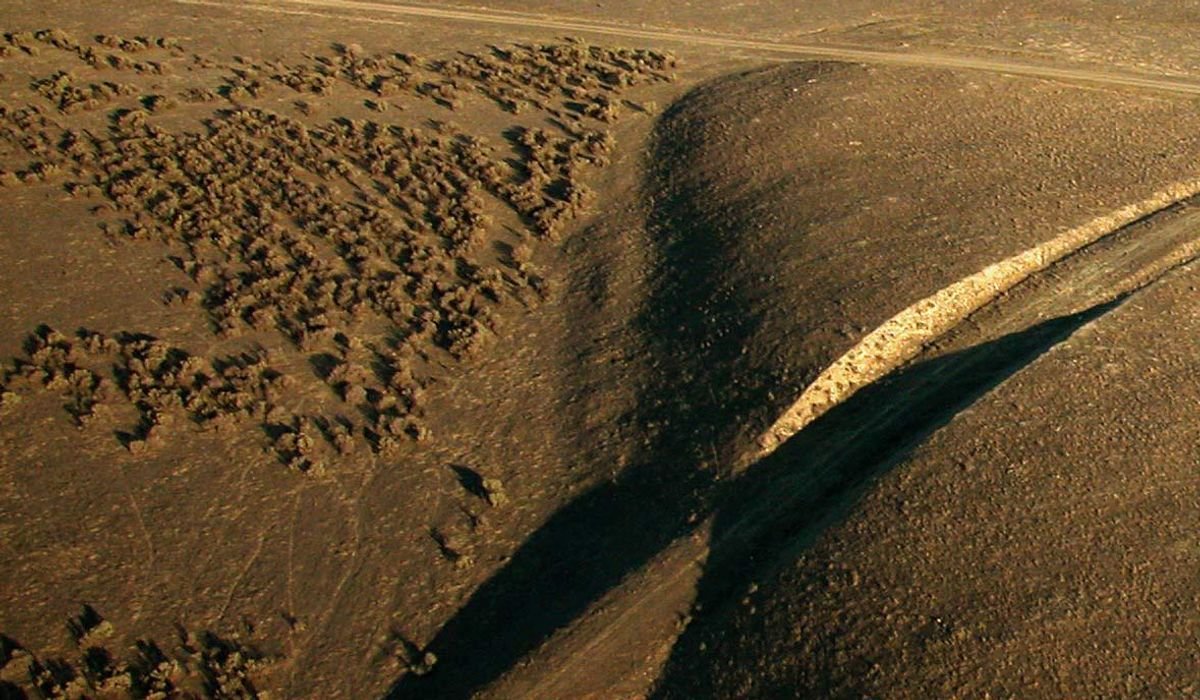
This 2007 aerial file photo provided …
more >
Researchers found in a new study that California’s San Andreas and San Jacinto tectonic faults are at their highest stress levels in 1,000 years.
Lead author Liliane Burkhard said in a release from the University of Hawaii at Manoa that “stress levels on multiple fault segments are now at or above the highest values seen in the past millennium and that the region may be capable of a large through-going rupture involving both fault systems.”
The study, published in the Journal of Geophysical Research: Solid Earth, explains that the last major earthquake, or Big One, was the 1857 Fort Tejon earthquake along the San Andreas Fault, which stopped just north of Cajon Pass, which is 50 miles northwest of Los Angeles and connects the San Andreas and San Jacinto faults.
If it happened in modern California, the Fort Tejon earthquake, which officially killed only two people, would cause billions of dollars in losses and large-scale deaths, according to the Southern California Earthquake Data Center.
The study’s authors explained that, while the magnitude 7.9 Fort Tejon earthquake did not go through the Cajon Pass, they hypothesize that the magnitude 7.5 1812 Wrightwood earthquake went through the pass and affected both faults.
That earthquake killed about 40 American Indians attending mass at the San Juan Capistrano mission, according to the Southern California Earthquake Data Center.
Latest Video
