
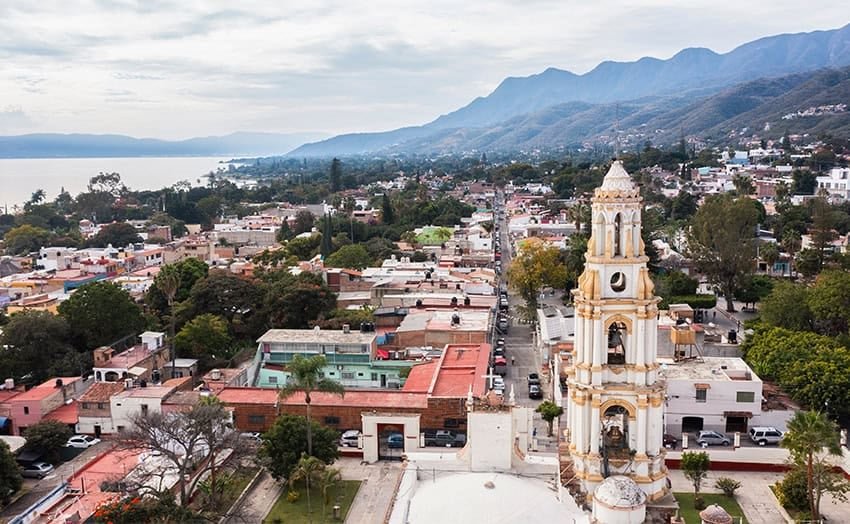
Chapala official issues rare public appeal to foreign residents over traffic, pet, and language concerns this week.
A municipal official at Lake Chapala has published an open letter to the region’s sizable foreign community, addressing complaints about traffic violations, pet etiquette and language barriers — a move observers say is unusual for local government and suggests informal remedies have not been enough.
Ricardo Razo Navarro, who serves as liaison between the Municipal Government of Chapala and the foreign community, published the appeal covering residents of Chapala, Ajijic and San Antonio Tlayacapan. The letter, framed in welcoming language, opens by acknowledging the foreign population’s economic contributions and cultural presence before cataloguing a set of specific behavioral concerns.
“The office under my charge has received different reports that some members of the foreign community have incurred in improper behaviors that affect the rest of the inhabitants,” Navarro wrote.
Among the concerns cited: running red lights, traveling the wrong way on one-way streets — not only in cars but on bicycles and electric vehicles — and failing to pick up after pets in public spaces. The letter also flags the presence of animals on restaurant chairs and inside shopping carts at large supermarkets.
The level of specificity in the document points to a pattern of repeated complaints rather than isolated incidents. Municipal offices do not typically issue public letters addressing day-to-day conduct unless quieter outreach has already been attempted.
Navarro also addressed language. Noting that most American and Canadian residents tend to communicate in English, the letter urged the foreign community to learn at least basic Spanish — framing the issue as one of social integration and mutual respect rather than legal obligation.
“We reiterate our call to learn at least the basics of Spanish … We hope to have your support and solidarity.”
Foreign residents interviewed by Mexico News Daily supported the sentiments expressed in the letter.
“Knowing the Mexican culture (my wife is Mexican), his letter was more than mortifying, it was agonizing for him to write,” Ajijic resident David Lea wrote. “Mexicans, unlike Americans, are ultra reluctant to criticize anyone in a public forum … so the circumstances had become so egregious that he wrote what he did. And I would agree with him, having lived here going on nine years, about many foreigner’s behavior.”
Bradford Burns, another local resident, agreed with the accuracy of the letter and lamented how it reflects on the foreign community.
“I think the statement accurate in each aspect. I don’t think the majority of foreigners behave in those ways but we foreigners all know that we are going to be judged … by the behavior of others,” Burns said. “We don’t like those behaviors at all and … usually speak up if we see it happening.”
Notably absent from the letter are threats of fines or enforcement action, even for behaviors — such as traffic violations — that carry legal consequences under Mexican law. Navarro instead appealed to shared values of community and coexistence.
The restrained tone reflects the economic reality of lakeside communities, which have depended for decades on international residents and retirees. The foreign population, concentrated around Lake Chapala in one of the largest expatriate communities in Mexico, contributes significantly to local commerce and real estate.
Razo Navarro had not responded to requests for additional comment as of publication. The letter itself, advocates and observers say, may be the clearest indicator of what prompted it: a slow accumulation of grievances that have moved from informal conversation to official record.
“We remind those who incur in such misconducts that everyone must respect the basic rules of traffic and coexistence,” the letter states.
Charlotte Smith is a writer and journalist based in Mexico. Her work focuses on travel, politics, and community. You can follow along with her travel stories at www.salsaandserendipity.com.
