
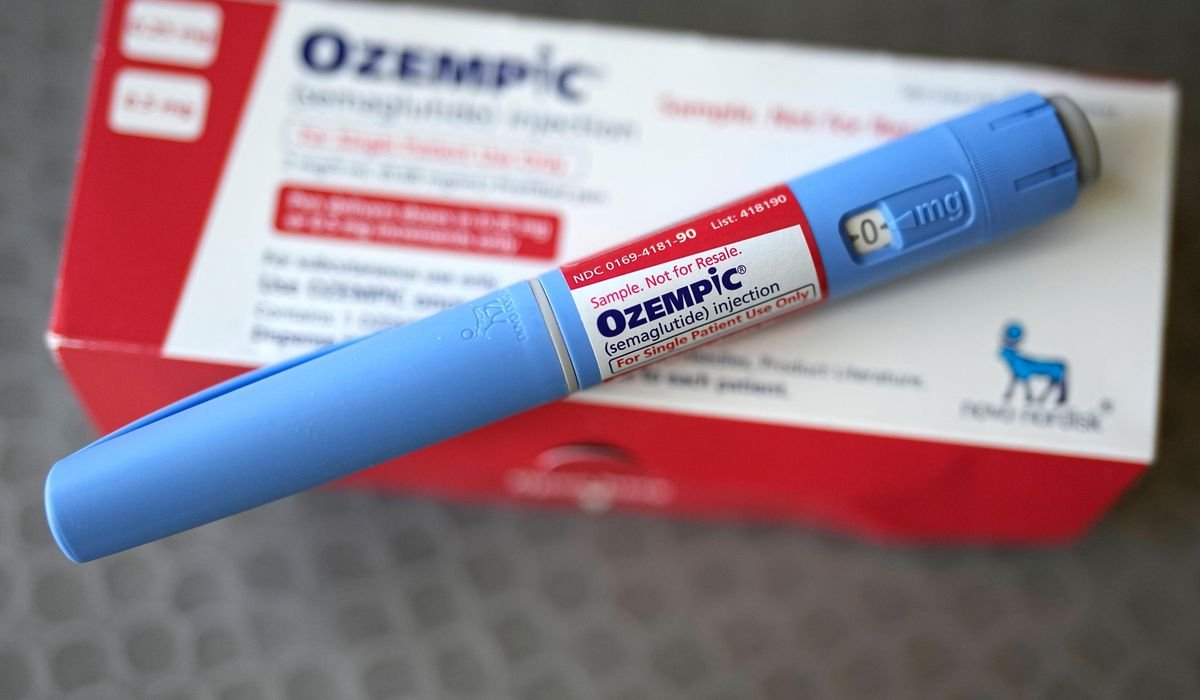
A growing number of users of popular GLP-1 drugs for weight loss are experiencing foul-smelling breath as an unexpected side effect, driving up gum and mint sales as they seek relief.
Online influencers have dubbed it “Ozempic breath,” referring to the anti-diabetes medication that made GLP-1s a household name.
Experts describe it as a mix of dry mouth, rotten-egg burps and “a funky smell” that arises as the appetite-suppressing drugs slow digestion, leaving food to ferment in the stomach as the gastrointestinal equivalent of cabbage turning into sauerkraut.
“Some users describe it as fishy smelling, while others say sulfuric or metallic,” said Dr. James J. Chao, who prescribes GLP-1s at VedaNu Wellness in San Diego.
He noted that the roughly two hours it takes for the average stomach to empty half of a solid meal increases to nearly three hours in someone using Ozempic or Wegovy, a version prescribed for weight loss.
“If you are a waitress, server, bartender, performer, public speaker, or interact with people as part of your daily job, Ozempic breath should probably be thoroughly discussed with your medical provider before starting,” Dr. Chao added.
The trend is already appearing in retail sales. Hershey CEO Kirk Tanner said during a recent earnings call that Ice Breakers mints and gums jumped 8% in the first quarter due to “functional snacking tailwinds, including GLP-1 adoption.”
Hershey spokeswoman Allison Kleinfelter confirmed the company has “seen GLP-1 users purchasing more gum and mints.”
The GLP-1 tracking app MeAgain estimates roughly 15% of users have reported sulfur burps — compared to 60% who reported nausea, the most common complaint. Paul Fulford, a healthy-living expert at medical technology company Cynosure Lutronic, said the true rate is likely higher.
“Patients are embarrassed to raise it, so partners and coworkers notice before clinicians do,” Mr. Fulford said. “The Hershey numbers are basically a market readout of what’s already happening in patient communities.”
Halitosis is the medical term for unpleasant odors emanating from bacteria on the tongue or in the mouth. It is not among the listed side effects for Ozempic and Wegovy, which are made by the Danish drugmaker Novo Nordisk.
It is also not a recognized effect for Monjouro and Zepbound, two rival GLP-1 medications produced by the Indianapolis pharmaceutical giant Eli Lilly and Company.
The Times reached out to both companies for comment.
Novo Nordisk spokeswoman Flavia Brakling noted that bad breath did not appear in clinical trials with over 54,000 patients and pointed to a lack of any “definitive evidence or clear, confirmed mechanism showing that [the active ingredient] semaglutide causes foul breath.”
Several medical experts pushed back, noting that the Food and Drug Administration does not track subjective complaints such as bad breath when labeling medication side effects.
“It’s not listed specifically because the label tracks formal adverse events reported in the major clinical trials for FDA approval like nausea, [acid] reflux, belching, constipation, and delayed gastric emptying,” said Dr. Fernando Ovalle, an obesity specialist and reviewer for Drugwatch.com.
“Bad breath alone is usually not a reason to stop a GLP-1,” Dr. Ovalle added. “But if it comes with persistent vomiting, severe reflux, inability to tolerate food, dehydration, abdominal pain, or symptoms concerning for gastroparesis, that patient needs medical evaluation and may need a lower dose, slower titration, or to stop therapy.”
’Keeps coming back’
Originally designed to lower blood sugar in diabetics, GLP-1s have driven billions in sales as pharmaceutical companies market versions prescribed for weight loss.
KFF estimated last year that 18% of U.S. adults had ever used a GLP-1, including 57% of diabetics and 34% of those diagnosed as overweight or obese. The drugs have also spawned a rash of social media buzzwords for unexpected side effects — including “Ozempic face,” “Ozempic personality,” “Ozempic zombies” and “Ozempic teeth.”
The side effect of Ozempic teeth — rapid-onset cavities, sensitive teeth, inflamed gums and eroded enamel — is closely related to Ozempic breath because both stem from dry mouth.
“It’s an indirect result of how the medication affects digestion and saliva flow,” said Dr. Catrise Austin, a cosmetic dentist in New York City. “What makes [Ozempic breath] problematic is that patients often try to fix it by brushing more, but the root cause is deeper, so the smell keeps coming back.”
She recommended using a bacterial tongue scraper, drinking more water and consuming sugar-free gum or lozenges to support digestion and improve saliva production.
Remedies
Regular bad breath arises from mouth bacteria, improves with brushing, and typically clears within an hour of a good oral hygiene routine. Ozempic breath has a distinctly worse smell that lingers longer.
Erin Seprish, a registered dietitian nutritionist in South Carolina who works with GLP-1 patients, urged those experiencing it to shun certain foods and drink half their body weight in ounces of water daily.
“Avoiding higher fat animal proteins and full fat dairy along with gas-producing foods like cruciferous vegetables, onions, and garlic will help until the sulfur burps are resolved,” Ms. Seprish said. “Although evidence is limited and still being studied, I’ve found in my experience that recommending a probiotic to patients who experience this side effect can also be helpful.”
Several experts predicted that food and healthcare companies will soon market treatments for Ozempic breath as more research confirms that it requires more than a mint.
“The oral care industry will explicitly target GLP-1 users within 18 to 24 months through product formulation, marketing language, or both,” said Angelica Gianchandani, a New York University marketing professor. “The brands already positioned in premium wellness and functional oral care will not need to pivot. They are already there.”
