
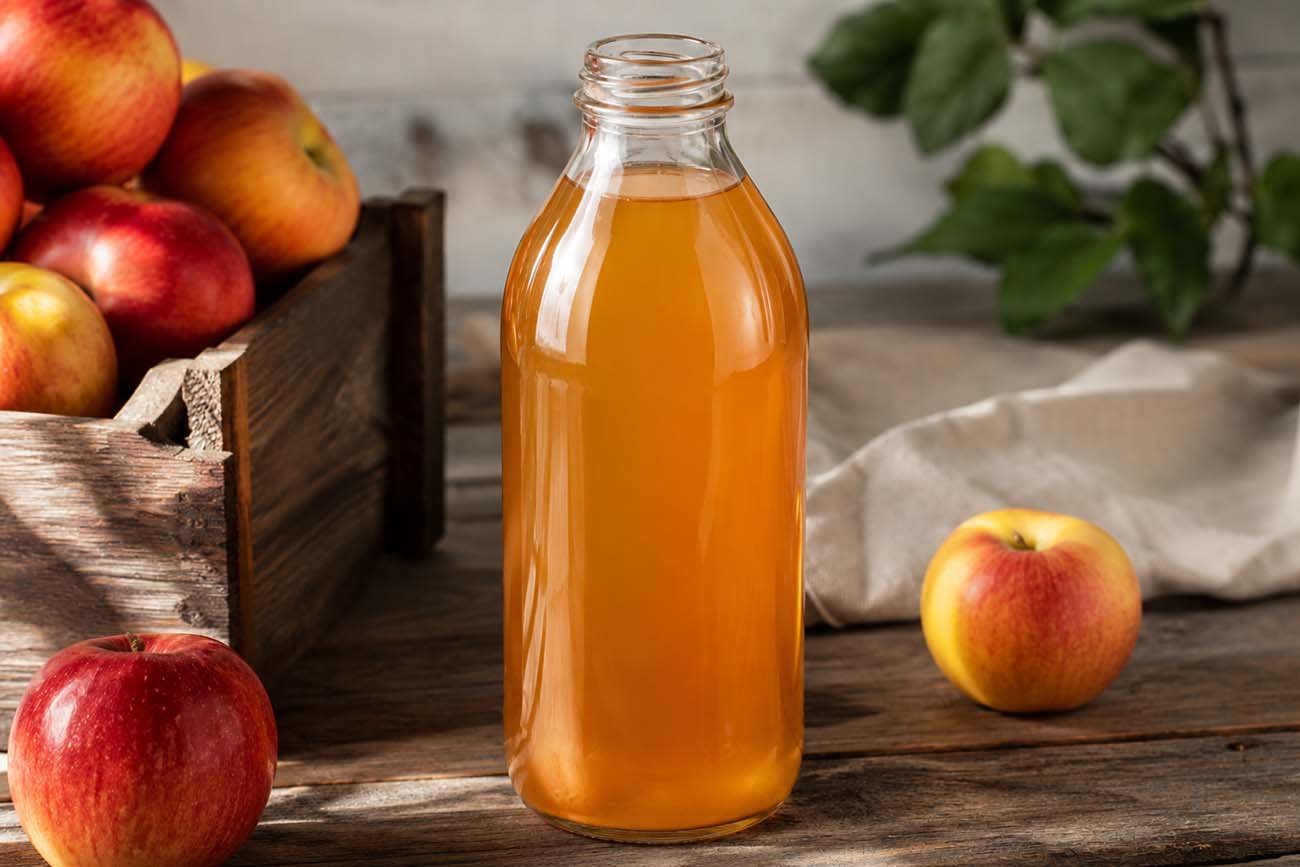
You found an old bottle in the back of the pantry. It looks cloudy. There is something floating in it. The color seems darker than you remember. So does apple cider vinegar actually go bad, or are you looking at something completely normal?
The short answer: Apple cider vinegar almost never goes bad. Its acetic acid content makes it naturally self-preserving, and harmful bacteria cannot survive in its highly acidic environment. Unopened bottles last essentially indefinitely. Opened bottles are best within 2 years but remain safe far longer. The cloudiness, sediment, and floating strands you are seeing are almost certainly the “mother,” a completely normal byproduct of fermentation, not a sign of spoilage.
For a full condiment and pantry storage reference, see our Food Storage Guide.
📋 Apple Cider Vinegar: At a Glance
- Unopened: Essentially indefinite shelf life. Best-by dates are a formality.
- Opened: Best quality within 2 years. Usable far longer for most purposes.
- Cloudy or stringy stuff: Almost certainly the mother. Normal. Shake and use.
- Refrigeration: Never required. Cool, dark pantry is all it needs.
- True spoilage: Extremely rare. Mold and a rancid smell are the real signs.
- Pickling: Use a fresh bottle. Potency matters for safe pickling acidity.
- Homemade ACV: Refrigerate and use within a few months.
🔑 Key Takeaways
- Apple cider vinegar is self-preserving. Its acetic acid creates a highly acidic environment where most harmful bacteria cannot grow.
- Cloudiness, sediment, and floating strands in raw or unfiltered ACV are the “mother,” a natural byproduct of fermentation. Not spoilage.
- Filtered ACV (the clear kind) can also develop cloudiness and sediment over time as the mother re-forms. Also not spoilage.
- True spoilage in ACV is rare and looks different: actual mold, a rancid or musty smell, or a slimy surface texture.
- Refrigeration is not required and does not meaningfully extend shelf life. A cool, dark pantry is sufficient.
- For pickling, use a fresh bottle. Applications requiring 5% acidity need full-potency vinegar.
- The best-by date on ACV is a labeling requirement, not a safety cutoff.
Why Apple Cider Vinegar Lasts So Long
Apple cider vinegar is made through a two-step fermentation process. Apple juice first ferments into alcohol, and then bacteria convert that alcohol into acetic acid. That acetic acid is the reason ACV has such an extraordinary shelf life.
🔬 The Science: Why ACV Is Self-Preserving
Acetic acid gives apple cider vinegar a pH typically ranging from about 2 to 5, depending on the brand, dilution, and whether the product is raw or pasteurized (most commercial ACV falls between 4 and 5 in practice, with the acetic acid itself being far more acidic). At that pH range, most harmful bacteria and pathogens cannot survive. Laboratory studies have confirmed that vinegar inhibits the growth of E. coli, Staphylococcus aureus, and Candida albicans. This is the same property that made vinegar one of humanity’s primary food preservation methods before refrigeration existed. An opened bottle of ACV in your pantry has essentially the same hostile environment for bacteria as a sealed one.
This is why apple cider vinegar does not need refrigeration before or after opening, and why the best-by date on the bottle is largely a labeling formality rather than a meaningful safety indicator.
The Mother: What That Cloudy Stuff Actually Is
This is the most common source of confusion with apple cider vinegar, and it is worth addressing directly before anything else.
🍎 What Is the Mother in Apple Cider Vinegar?
The “mother” is a natural colony of beneficial bacteria, proteins, and enzymes that forms during and after the fermentation process. It appears as cloudy sediment, floating strands, or a web-like mass in the vinegar. In raw, unfiltered ACV (like Bragg’s), the mother is present from the start and is often listed as a selling point for its probiotic content. In filtered, pasteurized ACV (the clear kind), the mother has been removed, but it can re-form over time as the vinegar continues to age after opening. In both cases, the mother is completely safe to consume and is not a sign that the vinegar has gone bad. Shake the bottle to distribute it, or strain it if you prefer. Either is fine.
The mother is one of the most searched questions about ACV because it genuinely looks alarming to people who have not encountered it before. It is not mold. It does not mean the vinegar is expired. It is a natural, expected consequence of how vinegar works.
Raw vs. Filtered ACV: Does It Change How It Ages?
The type of ACV you have affects what it looks like as it ages, but not how long it lasts or whether it is safe.
Raw, unfiltered ACV starts cloudy and stays cloudy. It contains the mother from day one. As it ages, the mother may become more pronounced and the sediment layer at the bottom may thicken. None of this affects safety or usability.
Filtered, pasteurized ACV starts clear. Over time, particularly after opening and exposure to air, it may develop some cloudiness or sediment as trace amounts of the mother re-form. This is normal. A clear ACV that has become slightly cloudy is not spoiled.
The shelf life for both types is effectively the same. The visual changes are different, but neither signals a quality or safety problem.
Apple Cider Vinegar Shelf Life at a Glance
| Storage Condition | Shelf Life | Notes |
|---|---|---|
| Unopened, pantry | Indefinite | Best-by dates typically 2 to 5 years from production; treat as a quality guideline only |
| Opened, pantry | Best within 2 years | Safe for general use beyond this; flavor and acidity mellow gradually |
| Opened, refrigerated | Same as pantry | Refrigeration does not extend shelf life; pantry is sufficient |
| Homemade ACV | A few months, refrigerated | No commercial quality controls; treat as perishable |
How to Tell If Apple Cider Vinegar Has Actually Gone Bad
True spoilage in commercial ACV is rare but can happen, usually from contamination introduced through improper use such as a dirty utensil or food particles getting into the bottle. Here is what to look for.
⚠️ Actual Spoilage Signs: Discard If You See These
- Mold: Fuzzy or discolored growth on the surface or inside the cap. Do not confuse with the mother, which floats and is strand-like. Mold sits on the surface, has a fuzzy texture, and is accompanied by an off smell. Discard immediately.
- Rancid or musty smell: ACV has a sharp, sour, apple-tinged aroma. If it smells rotten, musty, or unpleasant in a way that goes beyond normal vinegar tang, discard it.
- Slimy texture: The liquid should be thin and watery. If it has developed an oily or slimy consistency that is not the stringy mother, that is a sign of contamination.
- Dramatically flat or strange taste: ACV that has significantly lost its acidity may no longer be effective, particularly for pickling. If it tastes actively strange rather than just mellowed, discard it.
What is NOT spoilage: Cloudiness, sediment, floating strands, slight darkening in color, or a more intense smell are all normal changes in aging ACV. Shake the bottle. If it smells like vinegar, it is almost certainly fine.
What Does Apple Cider Vinegar Smell Like When It Goes Bad?
Fresh ACV has a sharp, distinctly sour smell with a faint apple or fruity undertone. It is pungent but clean.
ACV that has gone bad smells different in a specific way: musty, rotten, or unpleasantly fermented beyond the normal vinegar sharpness. Think of the difference between the clean sourness of fresh vinegar and the damp, stale smell of something that has actually spoiled. If you cannot tell whether what you are smelling is just strong vinegar or something wrong, trust your gut. Real spoilage has an unmistakably off quality.
One important note: older ACV may smell more intensely acidic or sharper than a fresh bottle. This is not spoilage. It is a concentration effect as some water evaporates over time. The smell to worry about is musty or rotten, not just strong.
How to Store Apple Cider Vinegar
✅ Storage Best Practices
- Cool, dark pantry is all you need. ACV does not require refrigeration before or after opening. A cabinet away from the stove, direct sunlight, and heat is the ideal storage location.
- Always seal tightly after use. Air exposure causes gradual flavor changes over time. A loose cap is the most common way to shorten the practical quality life of an opened bottle.
- Keep in the original bottle if possible. Glass is ideal for long-term storage. If transferring to another container, use glass rather than reactive metals, which can interact with the acid.
- Keep away from heat. Proximity to the stove, oven, or dishwasher accelerates flavor degradation and encourages more rapid mother formation.
- Use clean, dry utensils. Dipping a used spoon into the bottle is the primary contamination risk for an otherwise very stable product.
- Do not dilute in the bottle. Adding water directly to the bottle lowers the acidity and can create conditions where spoilage is more likely. Measure into a separate container.
A Note on ACV and Pickling
Effective pickling requires vinegar with at least 5% acidity to safely inhibit bacterial growth in the preserved food. Very old ACV that has lost significant acidity through oxidation and evaporation may fall below that threshold, making it less effective and potentially unsafe as a pickling agent.
If you are using ACV for pickling, use a bottle with a clearly labeled 5% acidity and ideally one that is within its quality window. For general cooking, dressings, and marinades, older ACV that still smells and tastes like vinegar is perfectly fine. Our carrot ginger dressing and easy coleslaw both use ACV as a base where even a slightly mellowed bottle works beautifully. It also adds brightness to our strawberry jalapeno salsa and works well in the basil pesto.
Frequently Asked Questions
Does apple cider vinegar go bad after opening?
Not in any meaningful safety sense. Opened ACV is best within 2 years for peak flavor and acidity, but remains safe to use far beyond that with proper storage. The self-preserving nature of acetic acid does not diminish significantly after the bottle is opened.
Is cloudy apple cider vinegar bad?
No. Cloudiness in ACV is almost always the mother, a natural colony of bacteria, proteins, and enzymes formed during fermentation. It is present from the start in raw, unfiltered ACV and can re-form in filtered ACV over time. It is safe to consume, considered beneficial by many for its probiotic content, and is not a sign of spoilage. Shake the bottle to distribute it.
What are the floating things in my apple cider vinegar?
Almost certainly the mother. It appears as cloudy strands, a web-like mass, or sediment at the bottom of the bottle. It consists of beneficial bacteria, proteins, and enzymes and is completely safe to consume. It is not mold. Mold would sit on the surface, have a fuzzy texture, and smell off.
Can you use apple cider vinegar past its expiration date?
Yes. The expiration or best-by date on ACV is a regulatory labeling requirement and a quality guideline, not a safety cutoff. Properly stored ACV well past its printed date is almost certainly safe and usable. Assess by smell and taste. If it smells like vinegar and tastes like vinegar, it is fine.
No, never. ACV’s high acidity means it does not require refrigeration before or after opening. Refrigerating it does not extend its shelf life in any meaningful way. A cool, dark pantry is the correct and sufficient storage location. For a full breakdown, see our companion post: does apple cider vinegar need to be refrigerated.
Gradually, yes. The acidity and flavor complexity of ACV can mellow with extended age and air exposure. For most culinary uses this is barely noticeable within the first few years. For pickling or applications where 5% acidity is critical, use a fresh bottle. For general cooking and tonics like our ACV tonic recipes, the change within a few years of opening is minimal.
Yes. ACV that has mellowed too much in flavor for culinary use still retains antimicrobial properties useful for household cleaning. It works well as a natural cleaner and deodorizer even when it is no longer at peak culinary quality. For a full guide on cleaning with ACV, see our post on how to use apple cider vinegar to clean your kitchen. It also has surprising laundry uses covered in our ACV laundry hack.
Do ACV gummies or tablets go bad differently than liquid ACV?
Yes. ACV gummies and tablets are processed supplements with added ingredients (sweeteners, gelatin, fillers) that do not share liquid ACV’s self-preserving properties. They have conventional supplement shelf lives and should be treated according to the printed expiration date on the package. Gummies in particular can degrade in texture and potency well before the bottle runs out, especially in warm or humid storage conditions. Keep them in a cool, dry place and follow the label.
How long does Bragg apple cider vinegar last?
Bragg ACV is raw and unfiltered, meaning it contains the mother from the start and will look cloudy throughout its life. The shelf life is the same as other commercial ACV: effectively indefinite unopened, best within 2 years of opening for peak flavor, and safe for general use far longer with proper storage. The cloudy appearance is normal and expected for Bragg specifically and is not a sign that it has gone bad.
What can I substitute for apple cider vinegar if mine has gone bad?
If your ACV has genuinely spoiled (mold, rancid smell), reasonable substitutes depending on the recipe include white wine vinegar or red wine vinegar for a similar tartness, rice vinegar for a milder flavor, lemon juice for brightness in dressings and marinades, or sherry vinegar for more depth. None are exact matches for ACV’s specific apple-tinged flavor profile, but all cover its primary functional roles.
Does homemade apple cider vinegar go bad?
Yes, much faster than commercial ACV. Homemade vinegar lacks the consistency, quality controls, and precise acidity of commercial products. Refrigerate it and use within a few months. Check regularly for signs of mold or off smells. The self-preserving qualities of acetic acid only apply reliably once sufficient acid has been produced through full fermentation.
Further Reading
Better Living may earn commissions through affiliate links and may occasionally feature sponsored or partner content. If you make a purchase through our links, we may receive a small commission at no cost to you.
