
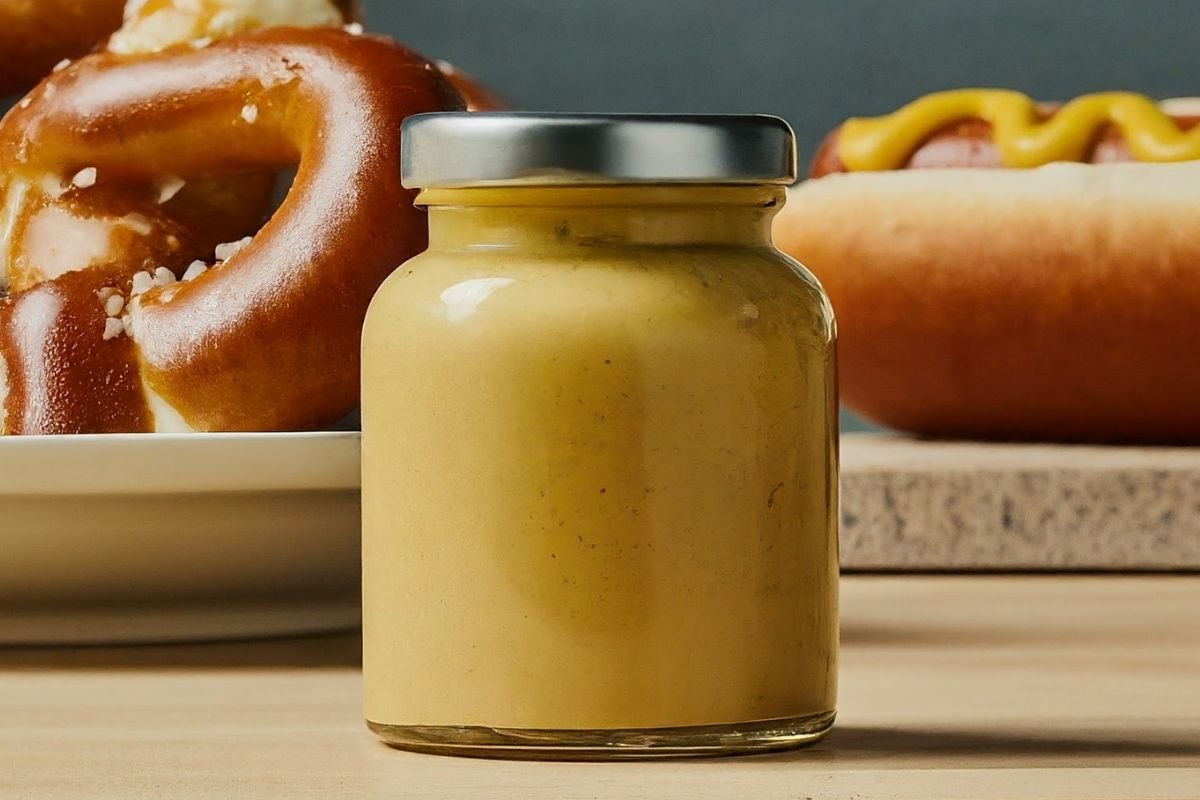
Mustard is one of the most shelf-stable condiments in any kitchen. Its combination of vinegar, salt, and mustard seed creates a triple antimicrobial barrier that puts it in the same shelf-stable category as soy sauce, Worcestershire sauce, and hot sauce that makes it genuinely resistant to spoilage in a way most condiments are not. But that does not mean it lasts forever. Quality declines over time, certain varieties are more perishable than others, and there are clear signs that tell you when a jar has crossed from “past its best” to “actually gone bad.”
Does mustard go bad?
The short answer: Yes, mustard goes bad eventually, but it is one of the longest-lasting condiments available. Unopened yellow mustard lasts 2 to 3 years at room temperature. Opened mustard lasts 1 to 2 years in the refrigerator. The best-by date on most mustard is a quality estimate, not a safety expiration. Mustard that has been properly stored and shows no signs of mold, off smell, or major discoloration is almost certainly safe to use past its date, though flavor and texture may have declined.
For guidance on whether mustard needs to be refrigerated and why, see our companion post: should mustard be refrigerated. For a complete condiment storage reference, see our Food Storage Guide.
📋 Does Mustard Go Bad: At a Glance
| Yellow mustard (unopened) | 2 to 3 years pantry |
| Yellow mustard (opened) | 1 to 2 years refrigerated |
| Dijon and whole grain (unopened) | 18 to 24 months pantry |
| Dijon and whole grain (opened) | 12 to 24 months refrigerated |
| Honey and flavored mustard (opened) | 8 to 12 months refrigerated |
| Homemade mustard (refrigerated) | 3 to 4 months |
| Brand guidance (French’s) | Refrigerate after opening for best flavor |
🔑 Key Takeaways
- Mustard’s combination of vinegar, salt, and mustard seed creates an inhospitable environment for bacteria. The vinegar lowers pH through acidification, the salt draws moisture away from microbial cells, and the glucosinolates and isothiocyanates in mustard seed have documented antimicrobial properties.
- Yellow mustard is the most shelf-stable variety because of its high vinegar content and simple ingredient list. Specialty and flavored mustards with lower acid content or added dairy go bad faster.
- French’s Classic Yellow Mustard labels say “for best flavor, refrigerate after opening.” This is a quality recommendation, not a safety requirement. Mustard sitting on a restaurant table for hours is not a safety hazard because of its acidity.
- The primary signs that mustard has actually gone bad are mold growth, an off or rancid smell, and significant unexpected discoloration. Separation, slight color fading, and a less pungent flavor are normal quality changes that do not indicate spoilage.
- Homemade mustard has a dramatically shorter shelf life than commercial varieties because it lacks the processing consistency and preservative ratios of commercial production. Refrigerate and use within 3 to 4 months.
Why Mustard Lasts So Long
Most condiments rely on one or two preservation mechanisms. Mustard has three working simultaneously, which is why it outlasts most of what is in your refrigerator door.
🔬 The Three-Layer Preservation System
Vinegar is the primary preservative. Its acetic acid lowers the pH of mustard to a level where most pathogenic bacteria cannot survive. Studies published in NCBI/PubMed confirm acetic acid has antifungal, antiviral, and antibacterial properties. Salt works alongside the vinegar by drawing moisture out of bacterial cells through osmotic pressure, preventing growth even at the cellular level. Mustard seed itself contains glucosinolates and their byproducts, isothiocyanates (ITCs), which are documented antimicrobial compounds that have been studied for their ability to inhibit bacterial and fungal growth. Turmeric in yellow mustard adds curcumin, another well-studied antimicrobial compound. Together these create a triple-barrier preservation system that makes mustard genuinely hostile to microbial growth.
The result is a condiment that degrades primarily through quality changes rather than safety-threatening spoilage: oxidation fades color and mutes flavor, moisture loss concentrates or dries out the mustard, and seeds or solids settle. None of these are safety concerns. They are quality concerns.
How Long Does Mustard Last by Type
Yellow Mustard
Yellow mustard is the longest-lasting common condiment you are likely to own. Its high vinegar content, simple ingredient list, and the combined antimicrobial properties of turmeric and mustard seed make it extraordinarily resistant to spoilage. An unopened bottle stored in a cool, dry pantry lasts 2 to 3 years past its best-by date. Once opened and refrigerated, it maintains good quality for 1 to 2 years.
French’s, the most widely used yellow mustard brand in the US, recommends refrigeration after opening “for best flavor.” This is a quality recommendation from the manufacturer, not a food safety requirement. Yellow mustard’s acidity means it is not a meaningful food safety risk at room temperature in the way that mayonnaise or ranch dressing are. That said, refrigeration does meaningfully slow the oxidation and color fading that reduce quality over time.
A yellow mustard that has turned brown, smells flat or off, or has dried out significantly around the cap is past its prime in quality terms. For comparison, see how we assess spoilage in ketchup and A1 sauce, which follow similar quality-vs-safety frameworks. It is rarely actually dangerous.
Dijon and Whole Grain Mustard
Dijon and whole grain mustards are slightly less shelf-stable than yellow mustard because they typically contain wine rather than straight distilled vinegar, have coarser textures that expose more surface area to air, and often contain lower acid content than standard yellow mustard. Unopened jars last 18 to 24 months at room temperature and longer when refrigerated. Once opened, quality holds for 12 to 24 months refrigerated.
You may notice seed settling, slight moisture changes, and some concentration of flavor in whole grain varieties over time. These are the same normal aging changes that occur in relish and horseradish. This is normal and not a spoilage sign. Stir or shake before using. Mustard that shows major color change, off smells, or mold is a different matter and should be discarded.
Dijon mustard works well on our Greek meze board and as a component in our carrot ginger dressing, both of which call for fresh, quality-forward mustard where an old jar would noticeably affect the result.
Honey Mustard and Flavored Varieties
Honey mustard, ale mustard, herb-infused mustards, and other specialty varieties have shorter shelf lives than plain mustards, for the same reason that ranch dressing and mayo go bad faster than vinegar-based condiments because their added ingredients dilute the acid content and introduce additional compounds that degrade faster. Also, honey adds sugars that can ferment. Herbs introduce additional moisture pathways. Lower-acid flavored mustards provide less preservation than vinegar-heavy standards.
Opened honey and flavored mustards stored in the refrigerator last 8 to 12 months at good quality. At room temperature, use within 3 to 6 months. Unopened specialty mustards are good for 12 to 18 months.
Creamy and Mayo-Based Mustard Spreads
Creamy mustard products that contain dairy, egg, or mayonnaise as significant components are a different category entirely and should be treated like the perishable dairy or egg products they contain. These products require consistent refrigeration and should be used within the timeframe on the label, typically 4 to 8 weeks after opening. Never leave them at room temperature for more than 2 hours.
Homemade Mustard
Homemade mustard made from scratch has a dramatically shorter shelf life than commercial varieties. Without the controlled production environment, precise acid ratios, and processing consistency of commercial mustard. This is the same reason homemade salsa lasts far less time than commercial versions., home batches should be refrigerated immediately and used within 3 to 4 months. At room temperature, use within 2 to 3 weeks. If your homemade mustard contains fresh herbs, garlic, or dairy, treat those timelines as maximum limits rather than targets.
How to Tell If Mustard Has Gone Bad
⚠️ Signs Mustard Has Actually Gone Bad
- Mold growth: Any visible mold, green, black, white, or pink, anywhere in the jar is cause to discard the entire container. Do not scrape mold off the top and continue using the rest: mold has roots (mycelium) that penetrate well below the visible surface.
- Off or rancid smell: Fresh mustard smells tangy, sharp, and pungent. Mustard that has gone bad may smell flat, rancid, sour in an unpleasant way, or simply wrong. Trust your nose: a dramatically changed smell is the most reliable indicator of actual spoilage.
- Bulging or leaking packaging: Gas production from bacterial activity inside a sealed container causes the lid or bottle to bulge. This indicates fermentation or spoilage and the entire container should be discarded without opening.
- Extreme unexpected discoloration: Some color fading is normal in aged mustard. Significant unexpected darkening, browning where the product was previously bright, or a grayish tone throughout can indicate oxidative degradation beyond normal aging.
- Off taste: If it tastes wrong, harsh, rancid, or simply unrecognizable as mustard, discard it. Your palate is a reliable backup to the nose.
✅ Normal Changes That Are Not Spoilage
- Liquid separation: Some liquid pooling on top or seeds settling to the bottom is normal in many mustard varieties, particularly whole grain and some Dijons. Stir or shake to recombine.
- Color fading: Yellow mustard that has faded from bright yellow to a more muted tone has experienced oxidation. This is a quality change, not a safety concern.
- Dried crust around the cap: A hardened crust of mustard around the opening is normal and does not indicate spoilage inside the jar. Wipe it clean before using.
- Less pungent flavor: Old mustard may taste milder or flatter than fresh. This is flavor degradation, not spoilage. It will not make you sick but may not taste good in recipes where mustard’s bite is important.
How to Store Mustard to Maximize Shelf Life
✅ Storage Rules That Make a Difference
- Refrigerate after opening. French’s labels say “for best flavor, refrigerate after opening.” This recommendation applies to all mustard varieties once opened. Cold temperatures slow oxidation, prevent moisture loss, and maintain color and pungency significantly longer than pantry storage.
- Keep the cap sealed tightly. Air exposure is the primary driver of quality degradation in opened mustard. Wipe the rim clean before sealing to ensure a tight fit every time.
- Prefer glass over plastic. Glass jars allow less air permeability than plastic squeeze bottles, slowing oxidation over time. If your mustard came in a plastic bottle, transferring it to a glass jar with a tight lid extends quality shelf life.
- Store unopened mustard in a cool, dark pantry. Heat and light both accelerate oxidation and ingredient degradation. A kitchen cabinet away from the stove is ideal.
- Do not double-dip. Introducing food particles into the jar via a used utensil adds potential contaminants and moisture that accelerate quality decline. Use a clean knife or squeeze directly from the bottle.
- Do not freeze mustard. Freezing causes the water content to crystallize and the emulsion to break irreversibly. Thawed mustard is grainy and separated. Given how long mustard lasts refrigerated, freezing is unnecessary for any home kitchen application.
Mustard Shelf Life Table
| Type | Unopened (pantry) | Opened (refrigerated) | Opened (pantry) |
|---|---|---|---|
| Yellow mustard | 2 to 3 years | 1 to 2 years | 1 year (quality declines faster) |
| Dijon mustard | 18 to 24 months | 12 to 24 months | 6 to 12 months |
| Whole grain mustard | 18 to 24 months | 12 to 24 months | 6 to 12 months |
| Honey mustard | 12 to 18 months | 8 to 12 months | 3 to 6 months |
| Flavored specialty mustards | 12 to 18 months | 8 to 12 months | 3 to 6 months |
| Creamy or mayo-based mustard | Check label | 4 to 8 weeks | Not recommended |
| Homemade mustard | N/A | 3 to 4 months | 2 to 3 weeks |
Frequently Asked Questions
Does mustard go bad?
Yes, but it is one of the slowest-spoiling condiments available. Mustard’s combination of vinegar, salt, and antimicrobial compounds in mustard seed creates a triple-layer preservation system that resists microbial growth effectively. Unopened yellow mustard lasts 2 to 3 years at room temperature. Opened mustard refrigerated lasts 1 to 2 years. Actual safety-threatening spoilage (mold, off smell, bacterial contamination) is rare in properly stored mustard. The more common issue is quality decline: faded color, diminished pungency, and separated texture.
Opened yellow mustard refrigerated lasts 1 to 2 years at good quality. Dijon and whole grain mustards last 12 to 24 months opened and refrigerated. Honey and specialty mustards last 8 to 12 months opened and refrigerated. Creamy or mayo-based mustard products last only 4 to 8 weeks after opening. Homemade mustard lasts 3 to 4 months refrigerated. For all varieties, refrigeration after opening is the single most impactful storage decision. See should mustard be refrigerated for the full refrigeration guidance.
Can you eat mustard past its expiration date?
In most cases, yes. The best-by date on commercial mustard is a quality estimate from the manufacturer, not a safety expiration. Mustard that has been properly stored (sealed and refrigerated after opening) and shows no signs of mold, off smell, or unexpected major discoloration is almost certainly safe to use past its printed date. Quality may have declined: the flavor may be less pungent and the color may have faded. Whether that quality decline matters depends on the application. In a vinaigrette or dipping sauce where mustard’s bite is central, old mustard is more noticeable than in a cooked dish where it is one of many flavors.
How do you know if mustard has gone bad?
The most reliable indicators are mold (any visible growth), off smell (flat, rancid, or wrong rather than sharp and tangy), and bulging or leaking packaging (which indicates gas production from bacterial activity). Secondary indicators include extreme unexpected discoloration and an off taste. Normal changes that are not spoilage: liquid separation (stir to recombine), color fading, dried crust around the cap, and milder flavor than fresh. If only quality has declined and there are no safety signs, the mustard is past its best but not dangerous.
Refrigeration after opening is recommended by mustard brands including French’s (“for best flavor, refrigerate after opening”) and is the standard guidance from USDA FoodKeeper. It is not an absolute food safety requirement for most standard mustards because their high acidity makes them inhospitable to pathogenic bacteria at room temperature. The reason to refrigerate is quality: cold temperatures slow oxidation, preserve color and pungency, and keep opened mustard at its best significantly longer. See our full guide: should mustard be refrigerated.
Why did my mustard turn brown?
Browning in yellow or Dijon mustard is typically caused by oxidation. When mustard is exposed to air over time, the turmeric in yellow mustard fades and the overall color shifts toward brown or tan. This is a quality change, not a safety indicator, and is more common in mustard stored at room temperature or in containers that were not sealed tightly after each use. A slightly browned mustard that smells and tastes normal is safe to eat. A mustard that is brown and smells off should be discarded.
Can mustard give you food poisoning?
Properly stored commercial mustard is extremely unlikely to cause food poisoning. Its high acidity (low pH from vinegar content) prevents pathogenic bacterial growth. Mustard sitting at room temperature for extended periods is generally safe because of this acidity, which is why it can sit on restaurant tables without refrigeration. The exception is creamy or mayo-based mustard products, which contain perishable dairy or egg components and should always be refrigerated. Homemade mustard with added fresh ingredients (garlic, herbs, dairy) should also be treated as perishable.
What happens if you eat bad mustard?
lass=”yoast-text-mark” />>Mustard that has undergone quality decline (faded color, milder flavor, separated texture) will not make you sick. Mustard with visible mold should be discarded: mold in condiments can produce mycotoxins, and the visible growth represents a larger invisible contamination of the jar. Mustard with a severely off smell indicates chemical changes or contamination that warrants discarding. In practice, eating a small amount of quality-declined mustard (old but not moldy) is unlikely to cause illness because the acidity of mustard is itself inhospitable to most pathogens.
Why does my mustard separate?
Mustard separation, liquid pooling on top or seeds and solids settling to the bottom, is a normal physical process rather than a spoilage sign. Emulsions in condiments are not always permanent, and ingredients naturally separate over time, especially in mustards that have been stored for a while or refrigerated at very cold temperatures. Stir or shake vigorously to recombine. If the mustard recombines to its normal consistency after stirring, it is fine to use. Separation accompanied by off smells or mold is a different matter.
Unopened Dijon mustard lasts 18 to 24 months in the pantry. Once opened and refrigerated, Dijon maintains good quality for 12 to 24 months. The wine base in most Dijon varieties gives it slightly less acidity than standard yellow mustard, which is why its shelf life is somewhat shorter. Store opened Dijon in the refrigerator, sealed tightly. A Dijon that has separated or lost some brightness can be stirred back and used in cooking applications like our carrot ginger dressing or as a component in Greek meze board accompaniments even when past its peak fresh-eating quality.
Can you revive old or dried-out mustard?
If mustard has dried out or lost its punch but shows no signs of actual spoilage, several approaches can help. Adding a small splash of white wine vinegar or apple cider vinegar refreshes acidity and loosens dried texture. Stirring or whisking thoroughly re-emulsifies separated components. For dry mustard powder, a small amount stirred in boosts pungency. These fixes work for quality-declined mustard, not for mustard that has molded or smells rancid. Do not attempt to revive any mustard showing those signs.
Can you freeze mustard?
Technically yes, but it is not recommended. Freezing causes the water in mustard to crystallize and the emulsion to break irreversibly. Thawed mustard is typically grainy, separated, and unappealing in texture. It remains food-safe after freezing but the texture change makes it significantly less usable. Given that properly refrigerated mustard already lasts 1 to 2 years after opening, there is essentially no need to freeze it for any home kitchen application.
Further Reading
Better Living may earn commissions through affiliate links and may occasionally feature sponsored or partner content. If you make a purchase through our links, we may receive a small commission at no cost to you.
