
Welcome back to Full Coverage.
It’s Daniela Morosini covering for Priya Rao, who is on vacation this week.
Firstly, did you guys see Sarah Pidgeon, star of “Love Story,” smouldering in the new Rhode campaign? At this point, it’s hard to tell if this brand simply nails the zeitgeist, or creates it itself.
Now onto the other big news of the week.
Estée Lauder Flexes Some M&A Muscle
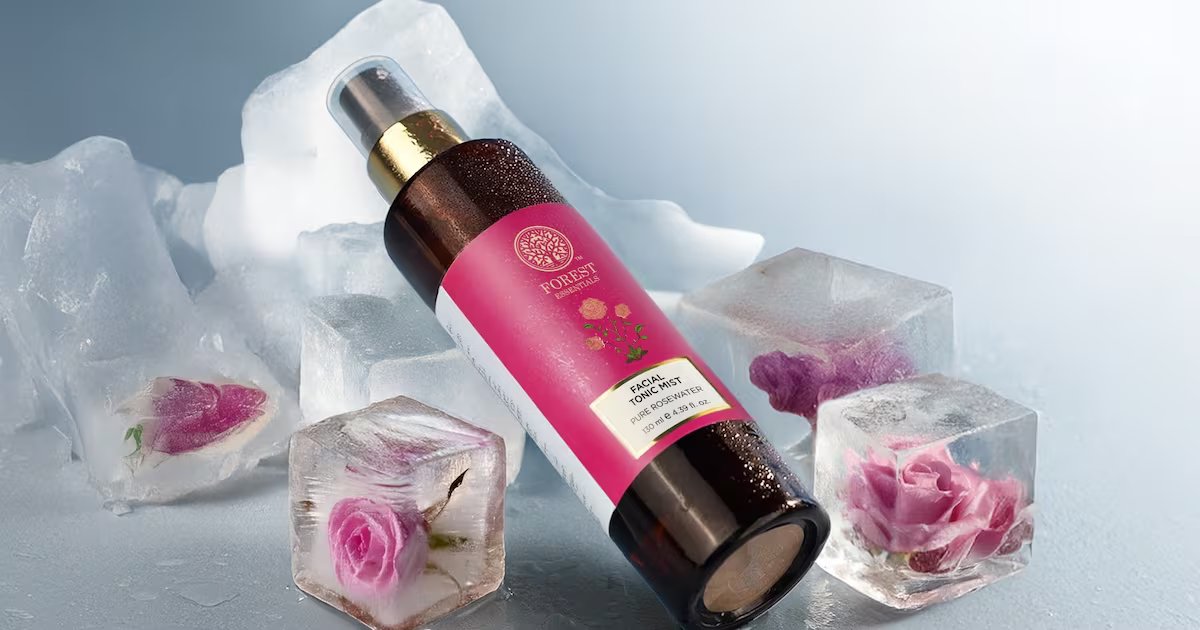
This week, Estée Lauder Companies was in the headlines for its first acquisition since Deciem in 2021. The company announced on Thursday that it had signed an agreement to buy Forest Essentials, a premium Ayurvedic beauty line based out of New Delhi.
The news is surprising. Firstly, although Estée Lauder’s chief executive Stéphane de La Faverie had made it clear that M&A was part of his game plan, it was anticipated that the company might offload some poorer-performing brands before buying a new one. And secondly, the choice of company itself. With the exception of Dr. Jart+, which is South Korean, Estée Lauder has historically chosen to buy Western companies, overindexing on American- and French-founded brands.
But its global ambitions have been apparent to anyone watching the company closely. Firstly, its acquisition of Forest Essentials follows on from previous investments in the brand dating back to 2008; it has owned 49 percent of the company since 2020. It has had an ongoing presence in the Indian beauty market, and in November, I broke the news of its minority investment in Mexican fragrance brand Xinú.
Even with Estée Lauder’s recent struggles, there’s no shortage of premium Western brands in the market that would be thrilled to receive a bid from Lauder. But that’s exactly why Forest Essentials makes sense for Lauder at this current juncture. Right now, it’s seeing slippage in the US, its days of reliance on the Chinese market have truly expired, and it’s reviving many of its longstanding brands like MAC Cosmetics and Clinique with new retailers, ambassadors and advertising campaigns.
Forest Essentials generated around $63 million in revenue last year and it is profitable. However, outside of India, it’s not as well known or distributed. That means plenty of white space to increase its revenues further. It sells everything from body scrubs to eyeliners, but is big on botanical skincare and body care, which the rest of Lauder’s portfolio doesn’t really cover.
Sure, the acquisition may not be a market mover, but it’s a sign that Lauder is serious about expanding its global reach.
There’s also the Ayurveda of it all. Western companies have been looking to capitalise on the ancient Indian medical practice for years: Charlotte Tilbury parent Puig bought Kama Ayurveda in 2022, while indies like Secret Alchemist and Inde Wild have attracted investment from the likes of Unilever. The Indian diaspora is broad, especially in the US and the UK, and many more shoppers globally are open to holistic health ideas.
Given how spotty Lauder’s track record with “trendy” brands is, Forest Essentials is a safer bet. It splurged over a billion on Too Faced, Smashbox and Becca. All three have struggled to compete with newer entrants. Buying another hot Sephora brand would bring about unfavourable comparisons and could lead it into a bidding war with better-funded rivals. But buying a proven, popular and multi-generational brand with a proposition that’s not oversaturated allows Lauder to juice up its topline revenue without the same watermark.
De La Faverie told Priya last week that it was ready to take Forest Essentials global. I haven’t gotten to try Forest Essentials yet. But with any luck, it will be available in a store near me soon.
Milk, Bananas, Fancy Shampoo
My inbox has been overflowing with brands touting their expansion or launch into retail. But these pitches aren’t celebrating a splashy Sephora or Space NK debut: It’s overwhelmingly Whole Foods, Walmart or Costco.
Grocery stores have been working hard to expand their offerings, making them feel more edited and special. When I lived in London, my local supermarket had a “Serum Bar” as well as bananas, milk and rotisserie chickens.
The difference now is that many of these brands, which include indie hair brand Odele (launched in Walmart), supplement maker Ritual (Costco) and skincare line Indie Lee Botanicals (Whole Foods), are embracing grocery stores as a channel because drugstores have failed the beauty industry in the US. CVS has taken to locking products up to deter shoplifters, Rite Aid went bankrupt, and Walgreens closed 500 locations last year. There’s also softness at Target. Among its range of apparel, home and pet goods, it was the once the premier spot to launch a masstige beauty brand, with the likes of Naturium scaling nationally in its stores. But a walkback to its DEI policies, falling foot traffic and the loss of its Ulta Beauty tie-up saw it cede market share. While it has announced new in-store beauty services, in its first-quarter earnings on Tuesday, beauty sales grew only 1 percent.
Not every brand is right for Sephora or Ulta Beauty, but pretty much everybody goes to the grocery store. The brands launching in Whole Foods have a more premium and clean beauty bent — for example, the Indie Lee Botanicals range (an offshoot of the existing Indie Lee range) includes a Morning Dew Gel Cleanser and Hydra Petal Facial Toner, both for under $25. Meanwhile, the Walmart brands like Keratime, from global hair giant Schwarzkopf, are trendy but accessible (the line has bond-building claims and a $14.99 price point).
Maybe some of these burgeoning beauty brands can have some of the shelf space that used to be allocated to snacks, which Americans are apparently buying less of, and analysts think is either related to appetites shrunk by GLP-1 usage or wallets shrunk by inflation. As both a prolific snacker and shopper, I couldn’t possibly comment.
Bye for now,
Daniela
What I’m Reading
Is hand care the final anti-ageing frontier? [The Wall Street Journal]
With a fragrance launch, Summer Fridays is racing to own a category that rival Rhode hasn’t launched into — yet. [The Business of Beauty]
Would you spend $30 on toothpaste? A new wave of luxe oral-care brands is hoping: yes. [The Wall Street Journal]
LLMs have become a key discovery channel for beauty. Liz Flora investigates which brands have cracked the ChatGPT code. [The Business of Beauty]
A wave of indies are bottling the scent of the internet, from Whatsapp to Skype. [Dazed Beauty]
Beauty charms are booming in China, as shoppers mix-and-match their Labubus with lip gloss. [JingDaily]
