
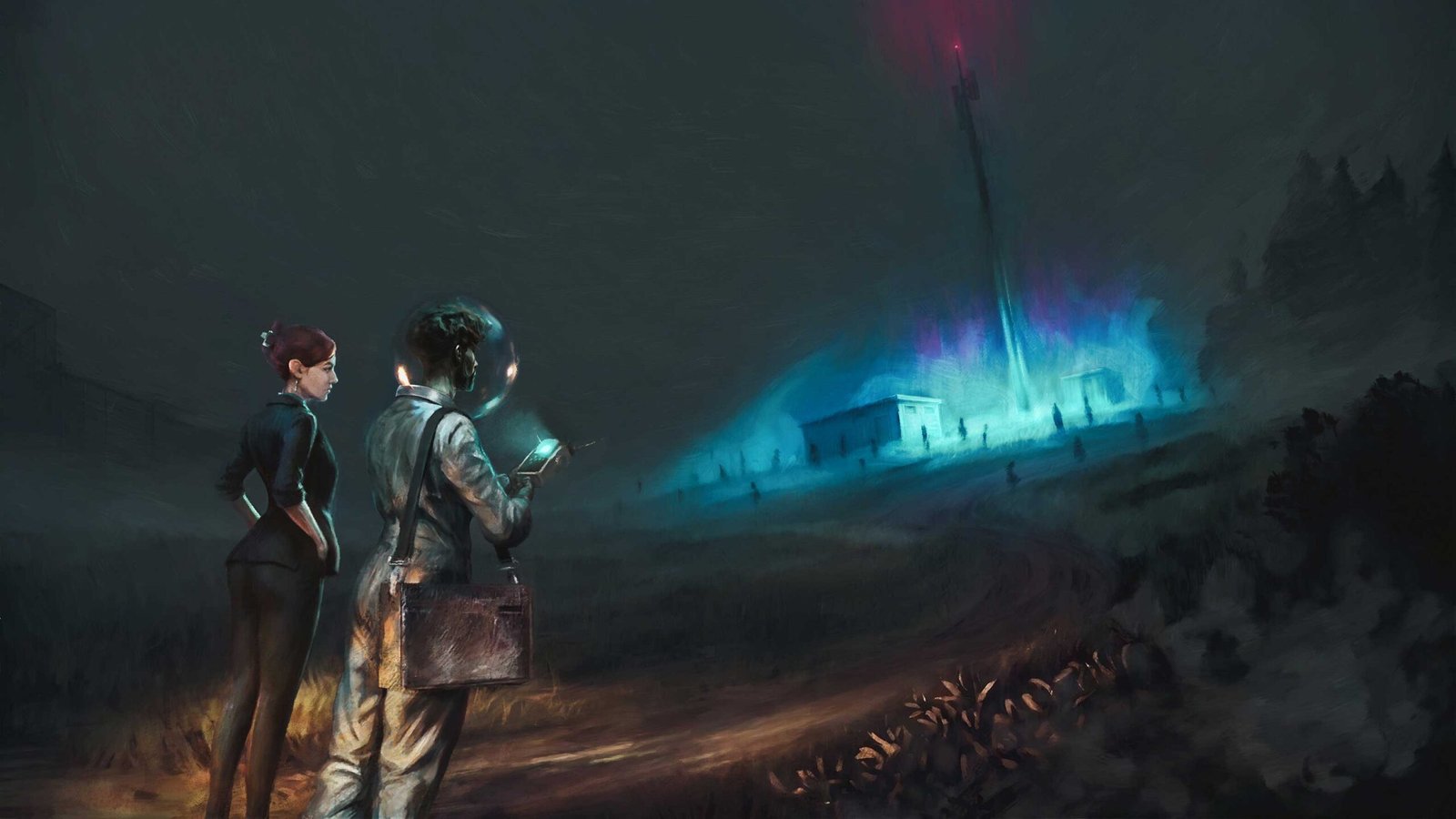
Three former BioWare developers have started an Edmonton-based indie studio called Studio Reset.
The founding team consists of Kaelin Lavallée (producer and creative director), Kristine “Kris” Schoneberg (design director) and Francis Lacuna (art director). Between the three of them, their credits include BioWare Edmonton’s Mass Effect trilogy and its DLCs, Dragon Age, Dragon Age II and Dragon Age: Inquisition, Vancouver-based Hinterland’s The Long Dark and Vancouver-based Timbre Games (unannounced title), among other projects.
“There’s just a lot of trust and a lot of shared values and goals in what we want achieve, and so this felt like the right time to take that dive and go on that adventure,” Lavallée tells MobileSyrup of the trio’s decision to start a studio together.
“We’ve got complimentary skill sets that allow us to build something together,” adds Schoneberg. “[It] was really important to me that we were all bringing something unique to the table.”
From left to right: Kaelin Lavallée, Kris Schoneberg and Francis Lacuna. (Image credit: Studio Reset)
The project itself is also quite unique, with Studio Reset describing it as “a neon-noir supernatural mystery game set in a stylized Canadian cityscape.” Because the unnamed title is in early development, the trio isn’t able to reveal too much just yet, but they did provide some valuable insight into their broader ambitions both for the project and the studio as a whole.
“I had this nugget of an idea on a world I wanted to build, and some characters I wanted to have populate it,” says Lavallée, whose previous roles include lead narrative designer on Dragon Age: Inquisition and narrative director on Inflexion Games’ Nightingale. He notes that he and his co-founders all played a handful of games that really inspired them, although he’s hesitant to reveal what they are as it “would probably give away” what the project really is. “But we were all really excited about this style of game and how we might be able to manifest this world that we were creating,” he says.
For Schoneberg, a longtime Mass Effect level designer and lead designer on Nightingale, the new project presented an opportunity to do something a bit different from the sci-fi and fantasy titles for which Studio Reset’s co-founders are best known.
“What stood out to me in particular, especially with our background in kind of classic role-playing games, was the idea of it being something a bit more contemporary and something a bit more paranormal and spooky in nature,” she says. “That’s exciting for me.”
That’s a sentiment that’s echoed by Lacuna, who was a character artist on multiple Mass Effect and Dragon Age games and later served as character director on Anthem. “There’s a level of comfort that all three of us have with a supernatural mystery that’s going to aim towards a more niche market than, say, the bombastic giant epic fantasy or sci-fi sagas. We’re quite comfortable going for that more specific experience,” he says.
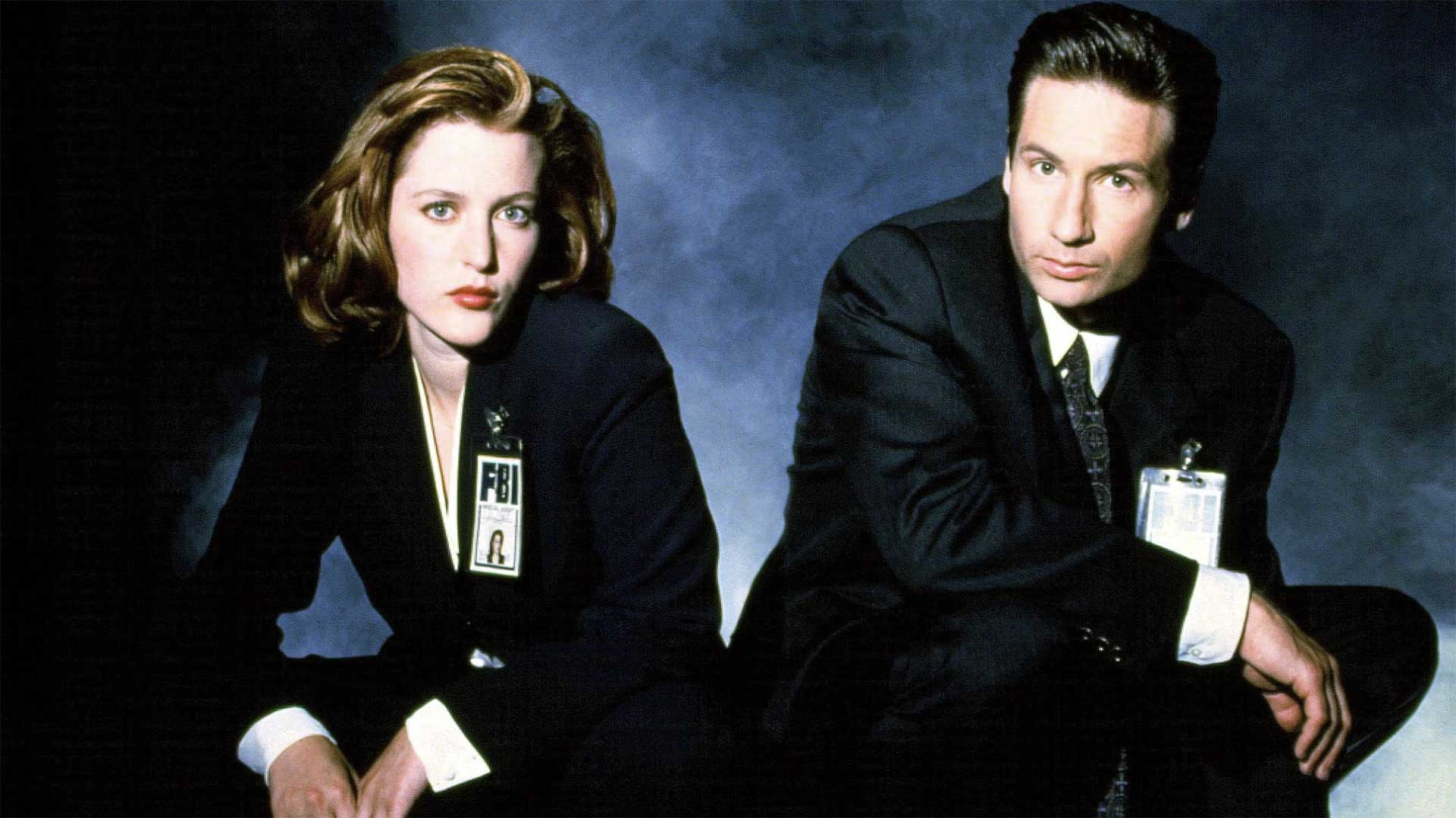
Fox Mulder (David Duchovny) and Dana Scully (Gillian Anderson) in The X-Files. (Image credit: Fox)
Lacuna adds that The X-Files has been a particular influence on crafting said supernatural mystery, and you can see a bit of that in the initial concept art the team has revealed.
“The whole paranormal investigator aesthetic was really exciting for me. One of the things I wanted to do is make this colourfully bleak world that is contemporary, so players aren’t overloaded with a whole bunch of exposition; they would just understand it immediately,” he says. “The whole paranormal aspect allows us to really leverage just wild, crazy things that really dive into those aspects of psychological horror, and really create this grand tapestry to tell the story for the player to enjoy.”
Original Canadian setting, original mystery storytelling
Something else the team really wants to lean into is the fact that the game is not only made in Canada, but set here as well.
“There’s not a lot of games set in Canada. But there are a lot of talented Canadian developers, and I think there’s an identity there that we need to transpose into the medium and allow other countries, other cultures, to see what it is to be Canadian, not just lumped in as ‘North American,’” says Lavallée.
He notes that part of the problem is that many of the IPs that Canadians make are owned by larger foreign entities.
“So we don’t have that kind of cultural export that I think we should have. We do have our own identity,” he says. “I think with all of these indie studios coming out now, I think we’re going to start seeing a lot more of that, and I think that’s a really, really positive thing. Canada has always been a solid developer of other people’s IPs, and now, bringing our own identity to the digital media landscape, is where I see the shift happening.”
While Studio Reset isn’t ready to reveal exactly where in the Great White North the game takes place, Lacuna did tease that Canadian history is also an influence on the game. “There’s some historical Canadian things we’d like to draw from, which we’ll talk about more later,” he says. “But I think that some of that stuff is unexplored in the gaming space, so there’s a lot of inspiration to take there. It’s a little different, but it’s not too different that players who play [won’t] get this.”
The team also hopes that its two-pronged approach to mystery design will further help differentiate the game. The first part of this “parallax deduction,” a term coined by Studio Reset that refers to how elements of the investigation will differ depending on which playable character you’re using. On top of that, the team wants to avoid contrived puzzle solutions (also known as “moon logic”) and instead focus on rewarding observation, context and deduction.
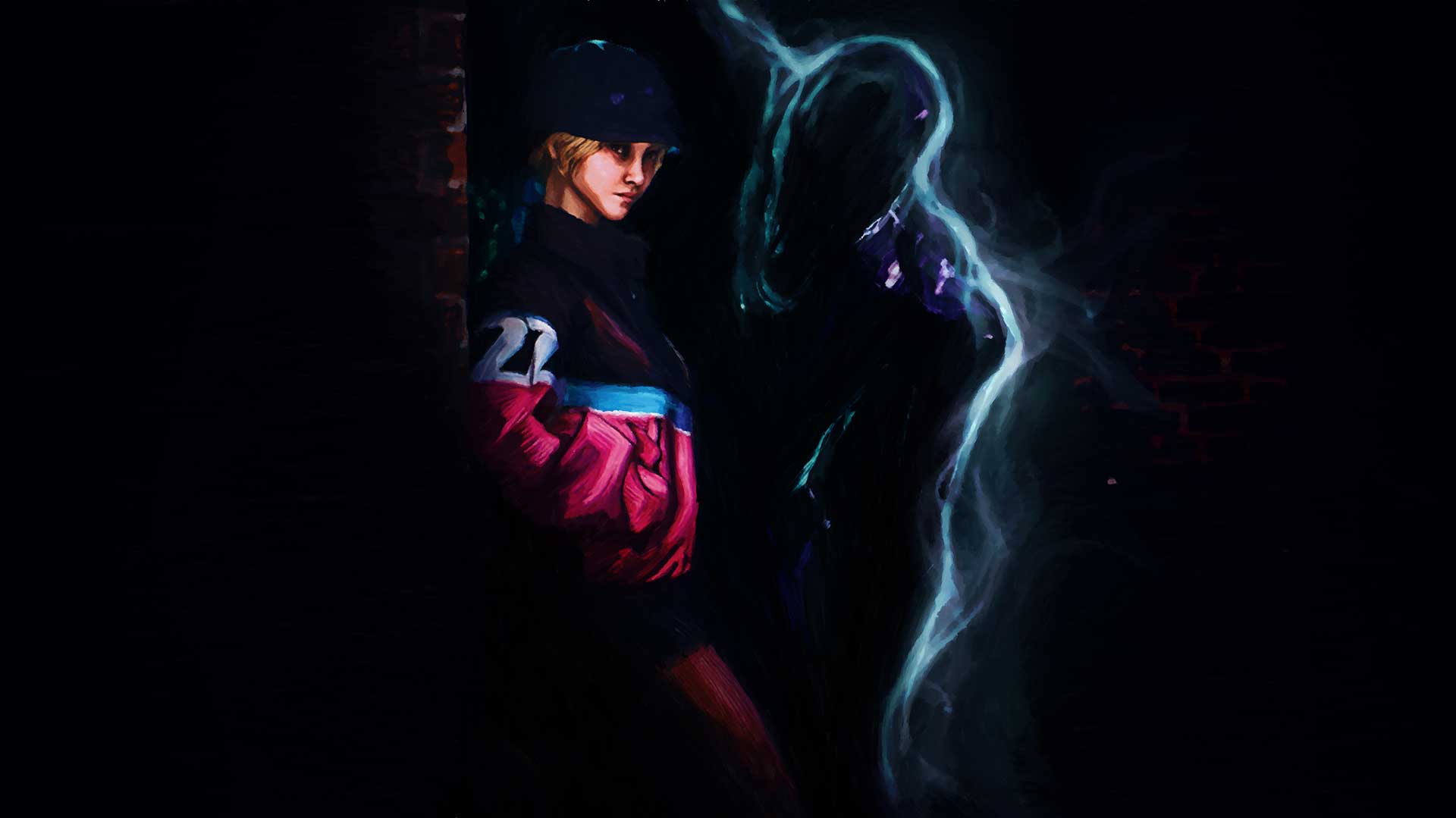
Concept art for Studio Reset’s first game. (Image credit: Studio Reset)
As Schoneberg explains, this, too, goes back to the team’s prior RPG experience.
“A big part of those games was picking your party who would come along with you on those quests and missions. For us, it’s an investigation, so who you choose to investigate each paranormal mystery will change how they see what’s right in front of them,” she says.
“Mulder and Scully [from The X-Files] are a great example. They see the world differently, and so for us, that’s how we’re taking that approach. Two agents walk into a room, [and] how they see it could be completely different, and what they are able to glean from that, the conclusions that they come to, it’s up to the player to decide whose perspective they’re really going to back and take as they move through solving these paranormal histories.”
Navigating industry challenges while managing scope
Lavallée, Schoneberg and Lacuna have all been in the industry for close to 20 years each, and naturally, much has changed in that time. Their old home of BioWare has unfortunately faced many layoffs from parent company EA as it works on a long-gestating new Mass Effect, while the industry as a whole has seen tens of thousands of job cuts alongside numerous studio closures and game cancellations.
With Studio Reset, the trio hopes to combine their shared talents and experiences to better navigate this turbulent period.
“It reminds me of a meme I saw the other day from one of the Marvel movies. Captain America is like, ‘Together.’ And that’s just how we’re doing it — we’re doing this together,” says Lavallée. “We’re not unaware of the challenges and how the industry is going, but it’s nice working with Francis and Kris to move through that, move past that, and just focus on the craft and building.”
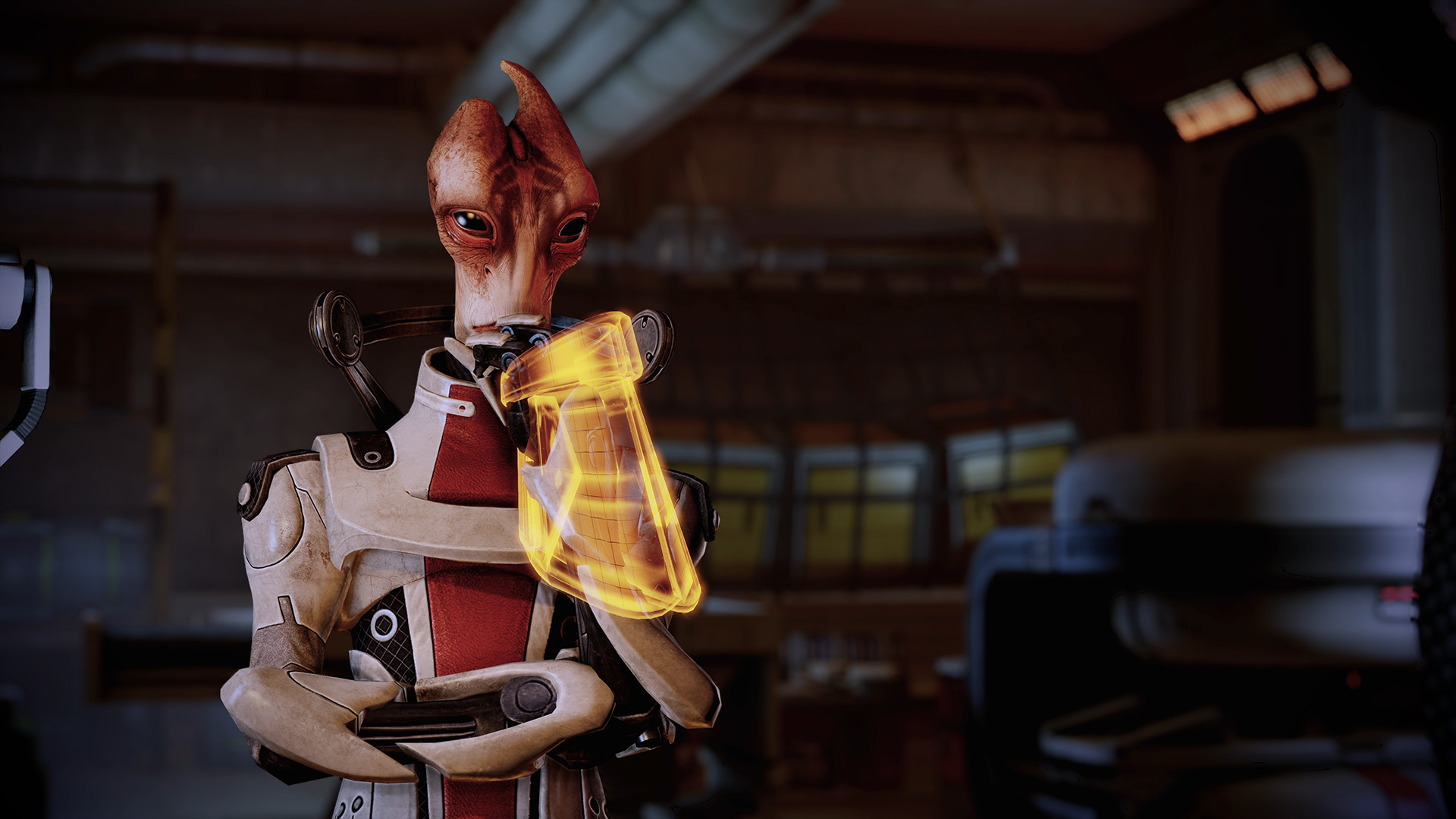
Mass Effect 2 is one of many games that some of the co-founders worked on. (Image credit: EA)
He acknowledges that industry change won’t happen overnight, but he hopes that this sense of unity, resilience and creativity will help. “If we can continue to work together, continue to demonstrate a healthy working studio, then maybe we can make some headwind and help change the industry for the better in the long run,” he says.
A key part of Studio Reset’s ambitions for a healthy, balanced studio is managing the size of the team and its projects. In particular, the developer is cognizant of the fact that so many games are fighting for your time, and often, they can be massive, all-encompassing experiences that take dozens of hours to complete and hundreds of millions of dollars to produce. At Studio Reset, though, the founders want to pursue something tighter and more replayable.
“These kinds of smaller-focus experiences draw you in quicker and make you feel like you have progressed more. Like in a giant open-world game — I’m not dismissing them, there’s room for these — you have to play for ‘X’ [number] of hours every play session just to feel like you’ve completed a quest, to feel like your character is advanced, to feel like you’ve progressed in a meaningful fashion,” he says. “And personally, I’m getting older, and I don’t have the stamina to sit in a chair for hours on end and make that progress, so I like something that’s a little bit slower paced, more thoughtful, and just allows for those moments for those players.”
Lacuna says he feels the same way. “I joined BioWare because of Baldur’s Gate, which was this focused RPG. It is what it is, and I’ve been burning with the desire to build a focused experience that knows what kind of game it is and building it for a specific purpose. That’s the stuff that gets me out of bed in the morning,” he says.
Having worked on sprawling RPGs made by massive teams, Studio Reset knows what can happen during prolonged development cycles.
“There’s a practical sense of, ‘If it’s smaller, it should take less time to make.’ That’s theoretical, but if you’re making a five-hour game, it should take less time than making a 50-hour game. So there’s a purely practical aspect,” says Schoneberg. She specifically refers to “feature creep,” the idea of excessive expansion of new game features over time that further complicates development.
“We’ve experienced feature creep. We’ve executed on feature creep,” she says with a laugh. “We’re aware of that feeling of, ‘Oh, wouldn’t it be cool if…?’ Yeah, that would be really cool, but what’s it really going to add to the player experience and is it really going to be worth the time that it’ll take to bring that feature to full completion?”
Schoneberg says this measured approach also extends to how Studio Reset plans to grow its team size.
“Whenever we think about adding an individual to the team, we have the same mental model. What is the gap that they’re coming to fill for us, what is the skill set that we have not been able to, like, ‘YouTube video ourselves out of,’” she says. “That’s kind of our approach to both building the game to control scope intention, but then also building the studio intention as well.”
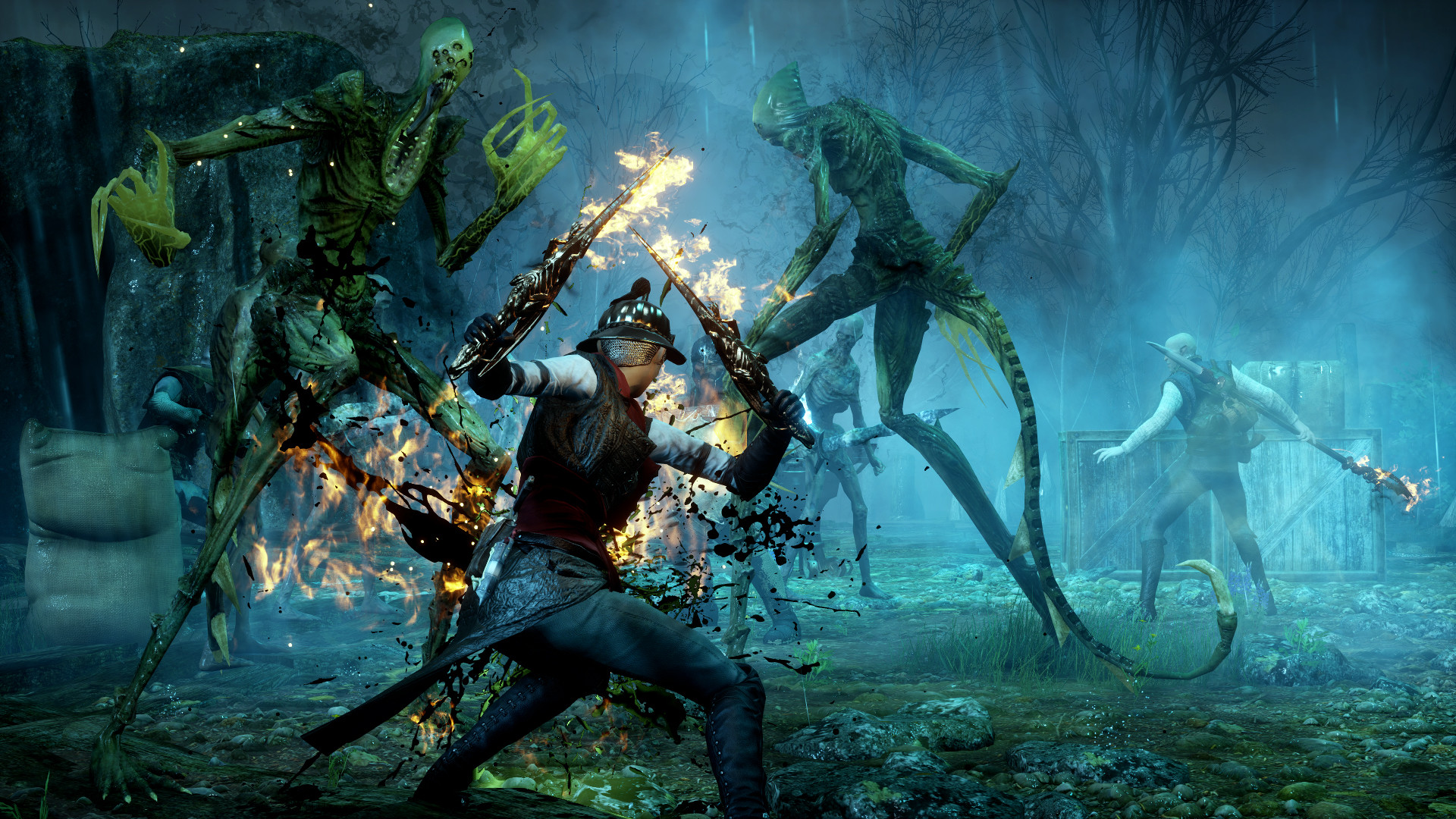
Dragon Age: Inquisition is another game that some of Studio Reset worked on. (Image credit: EA)
Funding is also a big challenge in the modern gaming landscape, and Studio Reset credits the Canada Media Fund (CMF) for providing some support in these early stages as they build the team and game.
“We feel confident when we’re going out and talking to people, asking for funding, and those types of things. We’re all quite resilient,” says Schoneberg. “CMF didn’t come through necessarily the first time, [but] we tried again and we got it. So there’s something to be said about picking yourself up and going at it again. And we all have that drive, which is really important when starting a studio, regardless of how wild the industry might be.”
And finally, Studio Reset wants to develop the game alongside the community. The team acknowledges that it’s not sharing all that much in this initial announcement, which might lead some gamers to ask, “Why now?” But for Studio Reset’s founders, this approach actually comes back to their time at BioWare.
“One thing that BioWare did really, really well was they built a community to help build their franchises. I don’t think that’s something you can do overnight. We’re not trying to blast something out there and hype it up. The three of us are much more pragmatic, methodical, and we want to understand what BioWare taught us in terms of working with the community,” says Lavallée.
“And I think that the earlier you can do that, especially [for] understanding your core audience and who you want to play the game — building it with them is just going to make the experience that much more evocative for everybody.”
Studio Reset says it plans to share more on the game in the coming months. In the meantime, fans can get updates by signing up for the newsletter and/or following the studio on Instagram, Discord, TikTok, Bluesky, and YouTube.
Image credit: Studio Reset
