
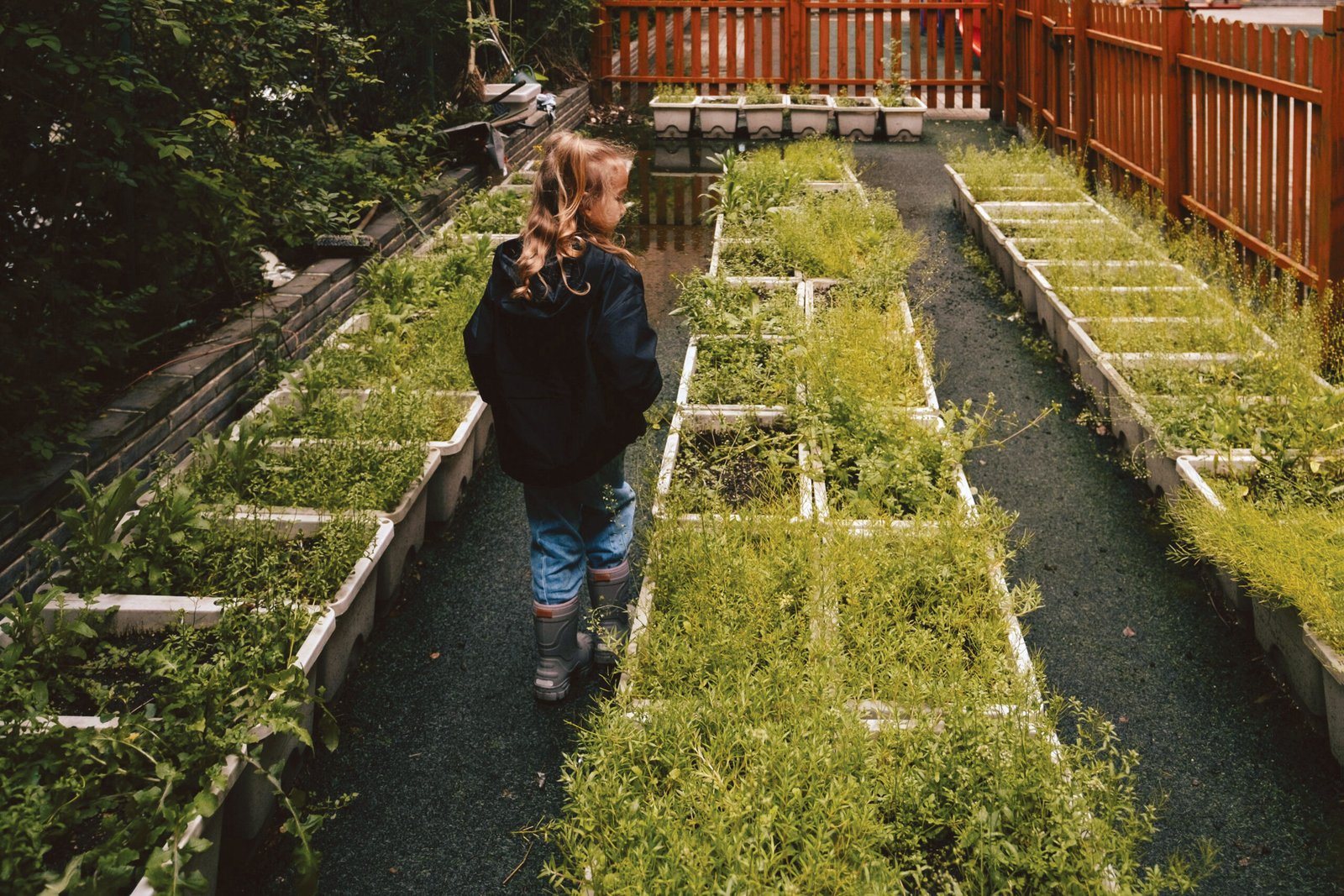
Whether you have a green thumb or prefer to appreciate nature from your local park bench, it’s impossible to deny that gardens play a vital role in our well-being. From connecting communities to providing resources, plant life forms the connective tissue of our relationship to nature. Unfortunately, factors like pesticides, water waste, and invasive species can spell disaster for the environment.
Luckily, ecological gardening is on the rise. According to the National Wildlife Federation, one in three people are opting for more ecologically sound gardening practices by integrating native plants and landscaping that help pollinators like at-risk butterflies, bees and birds.
One study even found that “urban and suburban green spaces, encompassing public gardens, urban forests, and private backyards and home (family) gardens…should be considered as fundamental infrastructures in the road to sustainable societies.”
Growth starts at home
If you’re interested in taking up ecological gardening, you can start making changes right in your own backyard—with less sacrifice than you might think. “You don’t have to give up the idea of a lawn entirely,” says Mattus. “If you have a front lawn and a bit of a back lawn, you could introduce 40 percent more garden and make a big difference. Maybe it’s that strip in the front, or along the driveway.”
The first step is to do your homework about what species of plants are native to your area. According to Mattus, “native plants are generally the most beneficial, so introducing some of those into any type of garden that you have is helpful. Depending on where you live, those native plants could include things that you can also benefit from, like fruiting shrubs that produce blueberries or raspberries.”
It’s also important to understand your climate. For example, Mattus notes that gardeners in places like California are investing in fire-resistant plants, while Arizona homeowners build their gardens with plants that don’t need much water.
City dwellers can also get in on the action. In fact, research has shown that ecological gardening in urban areas can contribute to biodiversity, pest control, carbon filtering, and even reduce food scarcity.
If you’re looking for a way to implement ecological gardening in a small space like an apartment patio or balcony, Mattus recommends container gardening, noting that “You can create a mini meadow, which is a lovely way to approach containers. If you have a large bowl, you can certainly plant native Lotus in a water garden, which can attract dragonflies and insects that might use the water or even wildlife.”
A growing industry
According to one study, the ecological gardening industry generates $9.6 billion a year and supports more than 53,000 jobs nationwide.
Ecological gardening 101
No matter where you live and how much space you’re working with, there are a few simple tenets of ecological gardening to keep in mind.
DO: Know your environment
Understanding the temperature, moisture, and air conditions of your area is vital to a healthy garden. For example, Indian grass, wild bergamot, and bush honeysuckle are all able to survive in hot and dry areas, while marsh marigold and royal fern are happy in consistently wet soil.
DO: Keep things diverse
Utilizing a mix of native and non-native trees, shrubs, perennials, and wildflowers can create a beneficial harmony in your space. (Just avoid any invasive species.)
Planting a diverse mix can also help ensure that your ecosystem continues to thrive even if one of your plants is struggling.
DO: Keep your soil healthy
Since soil is the starting point for your garden, it’s important to keep it healthy. Some best practices include adding healthy organic matter (like compost), mulching, and taking care not to compact your soil by over tilling.
DON’T: Use pesticides
When it comes to an ecologically sound garden, just say no to chemicals. Eco-friendly solutions like essential oils, coffee grounds, and mesh coverings can help keep pests at bay with no scary side effects.
You can also integrate plants that act as natural pest-repellents, such as lavender, citronella, rosemary, and basil.
DON’T: Waste water
Water conservation is paramount in ecological gardening. You can use rain barrels or drip irrigation to keep your plants hydrated with less water. Mulching also helps retain and distribute moisture.
Remember, if you’re in a region where conserving water is a priority or where permeable surfaces are promoted, “you can still plant ornamental plants and have a beautiful looking garden,” says Mattus.
DON’T: Get discouraged
It can take time and research to make your garden flourish, so don’t give up! Working with local community gardens and experts can help make gardening feel like a team effort.
“I think whether you’re a gardener or a non-gardener, it’s important to know that when you start to consider ecological gardening, that you don’t have to jump in 100 percent” says Mattus. “Even small choices can have a major impact.”
Planting the future
No matter where you live or how much space you have to work with, building an ecologically friendly garden can have far-reaching benefits. As Mattus notes, our relationship with plants helps to remind us of our place in nature.
“We still need soul healing visuals in our garden, but we’re also investing in the future of our children and families,” he says. “We don’t want pesticides in our gardens, just like we don’t want them in our foods. Remember, we’re part of the ecosystem too. Knowing that we’re part of the web of life is important.”
Herbs for immune support
A healthy garden can help maintain a healthy body. Here are some plants that support your immune system:
| Plant | Benefit |
| Basil | Full of antioxidants and easy to cook with, basil is great for regulating the immune system. |
| Echinacea | There may not be a cure for the common cold, but echinacea has been linked to lessening symptoms. |
| Elderberry | High in vitamins A and C, as well as potassium and fiber. (Note: it’s recommended that elderberries be cooked before consumption.) |
| Garlic | Garlic is a natural powerhouse that has also been linked to benefits for obesity, heart disease, and metabolism. |
| Ginger | In addition to immune support, ginger is also great for digestion. |
This article was originally published in the August-September 2026 issue of alive magazine (US edition).
