

Over the last decade, many Mexican households have seen a steady squeeze. Wages haven’t kept pace with the rising cost of essentials, and the result is a stealthy theft of time as well as income. From 2016 to 2026, official data from INEGI, Mexico’s National Institute of Statistics and Geography, show sustained price increases in housing, food and transport that in many places exceeded income growth.
The presence of foreigners has long been a boon to Mexico’s economy, no question. There are many places in Mexico that depend on international tourism and suffer when foreigners choose not to visit. But just as undoubtedly, there has been another, trickier, dynamic at play in Mexico for a while now, one that has existed at the same time that Mexicans have been experiencing this economic squeeze: the presence of foreigners arriving in greater and greater numbers into their neighborhoods — frequently with access to much more powerful currencies that can drive up the cost of living.
How Mexican households are coping with less buying power
For households working in the informal sector, for lower-paid formal employees and for families with little or no savings, that squeeze has translated into familiar coping strategies, including taking on extra paid work, moving to cheaper neighborhoods farther from jobs and services and accepting longer, costlier commutes.
Each strategy buys only limited breathing room and carries the cumulative costs of worse nutrition, less time for childcare and study, more stress and illness and fewer opportunities for training or entrepreneurship.
The squeeze is as much about time as it is about money.
A household that retains a similar standard of living by adding work hours or commuting an extra two hours daily loses time for family, rest and civic participation. That time poverty compounds economic hardship, as exhausted students and workers perform worse in school and employment, are less likely to save and have reduced capacity to engage in the local civic life that sustains neighborhoods.
The good and bad influences of foreigner money in Mexican communities
Foreign spending isn’t the sole driver of these trends, but it does bring with it a mix of clear benefits and challenges.

Pensions, remote salaries and tourist spending bolster local restaurants, markets, tour operators, construction crews and craftspeople. For many small businesses, customers with higher discretionary incomes are a lifeline that preserves jobs and supports services in the community. New investment can also spur infrastructure upgrades and improved amenities that benefit residents and visitors alike.

At the same time, external demand reshapes incentives in real estate markets.
Furnished short-term rentals and second-home sales generally yield higher returns than long-term leases, so property owners and developers often pivot toward the most profitable uses. Where long-term units are scarce and demand by short-term clients is high, landlords prefer to turn their properties into vacation rentals or short, high-return stays.
Furthermore, investors in new properties who see steady external demand may design their new developments for buyers seeking second homes or rental income rather than for locals’ rental needs, especially if that external demand is coming from wealthier clients.
The measurable outcome is a shrinking long-term rental supply and faster price growth in neighborhoods attractive to newcomers.
Similar development patterns
Three local patterns here in Mexican cities illustrate how these development dynamics play out.
Tulum has rapidly transformed from a quiet beach town populated by locals to a new-construction hotspot, driven by international tourism and buyers seeking vacation properties. Numerous units have been marketed as second homes or converted to short-term rentals, tightening the long-term-resident supply and pushing the many locals who are hospitality and service workers to commute to their jobs from neighboring towns.
Those longer commutes translate into higher transportation costs and lost time, both of which act like a silent, persistent tax on household budgets.
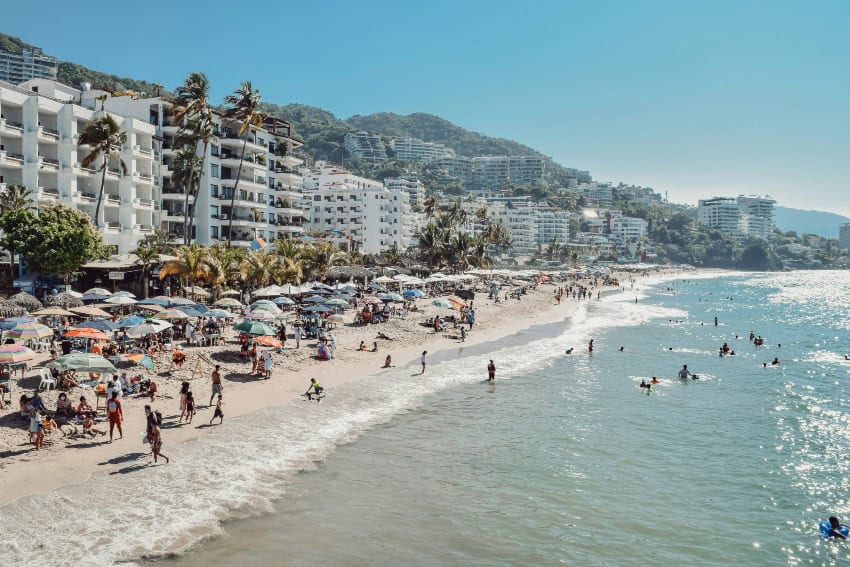
Puerto Vallarta shows a longer-term process.
Decades of retirees and seasonal residents have raised demand for higher-end housing and services here, and property owners increasingly find that providing furnished short-term leases is more profitable than offering traditional long-term rentals.
The local economy benefits from tourism revenue, absolutely, but service workers and small-business employees find their living costs rising faster than wages. City debates over short-term rental regulation reflect a core tension between how to preserve tourism income while maintaining housing access for residents.
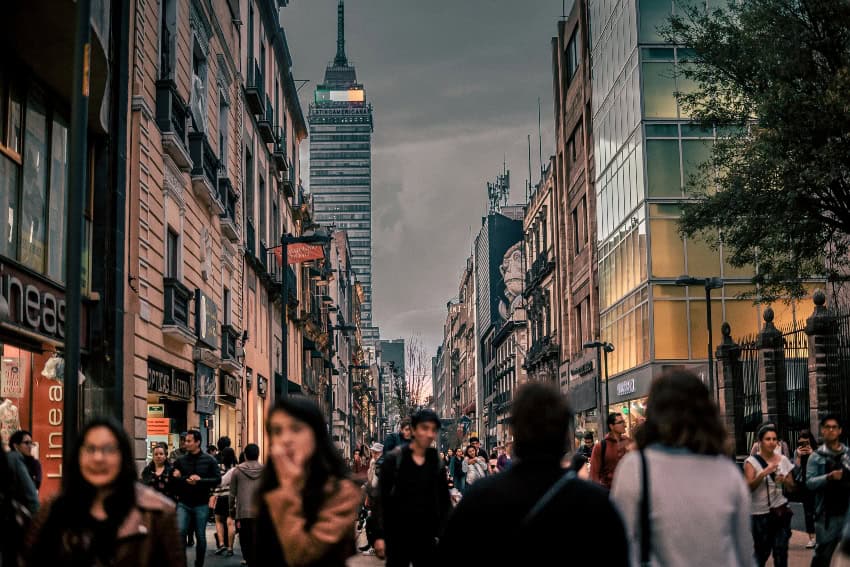
Historic central neighborhoods in Mexico City, such as La Roma and Condesa, offer a microcosm of displacement at urban scale.
Measuring the human costs
Demand for walkable, culturally vibrant areas has attracted boutique accommodations, cafes and tourist-oriented retail. Landlords raise rents or convert apartments to tourist uses, and long-time residents and lower-paid workers are often pushed to peripheral districts.
The result is both material loss in affordable housing and communal loss in weaker neighborhood ties and fewer everyday services.
The human costs are tangible.
When families stretch budgets by cutting nutritious food or by adding paid hours, children’s school performance and long-term health can suffer. Long commutes eat into time for childcare, leisure and informal support networks. They also raise transport costs, particularly where public transit is limited and owning a car becomes effectively necessary for accessing better jobs.
These cumulative burdens reduce the ability of households near the margin to save or invest in the future.
What to be aware of when moving to Mexico
Foreign newcomers to Mexico who want to minimize harm can make choices that preserve housing stock and local social fabric.
Renting long-term rather than purchasing units to convert into short-term listings helps maintain the supply of homes for residents. Shopping at local markets and hiring neighborhood services directs spending into the local economy. Engaging with neighborhood associations, rather than acting solely as consumers of local amenities, can support balanced development. Choosing less touristy neighborhoods when possible reduces concentrated pressure on hot spots.
Public policy also matters.
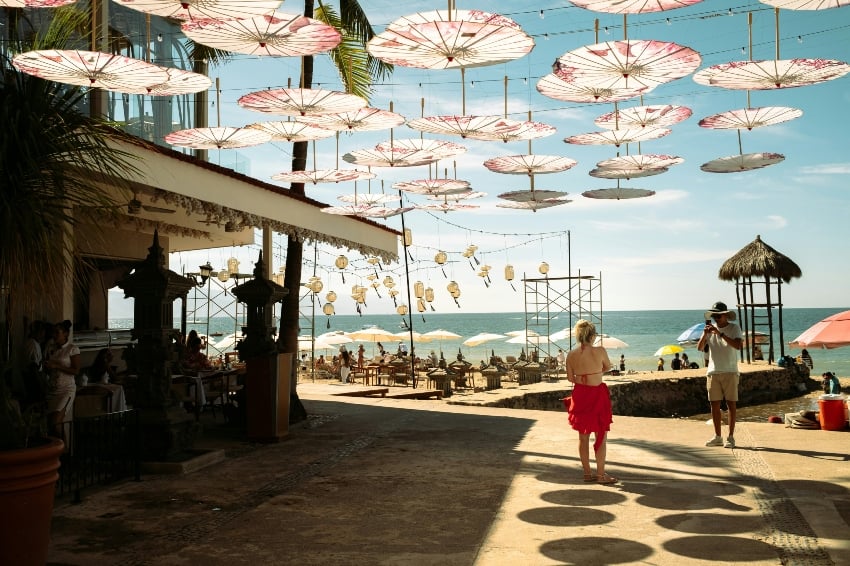
Cities can regulate and register short-term rentals to ensure tourism income doesn’t hollow out long-term housing supply.
How government can minimize effects on vulnerable households
Incentives for building affordable rental housing, streamlined permitting for resident-oriented projects, targeted rental assistance and food-price stabilizers can protect vulnerable households. Improving public transit and active-transport infrastructure reduces the need for private vehicles and shrinks commuting time, while wage policies that lift real incomes help households cope without resorting to precarious strategies.
The inflow of foreigners isn’t going to stop. Mexico’s climate, culture and relative purchasing power will continue to attract people from abroad, so informed optimism is the best strategy.
Enjoy what Mexico offers, of course, but remain mindful of how housing markets, services and neighborhood life can change.
Charlotte Smith is a writer and journalist based in Mexico. Her work focuses on travel, politics, and community. You can follow along with her travel stories at www.salsaandserendipity.com.
