
Maison de Sabré has spent nearly a decade building a reputation for colorful, beautifully crafted leather handbags. But lately, the thing that makes people fall for the brand isn’t a bag at all—it’s the charms.
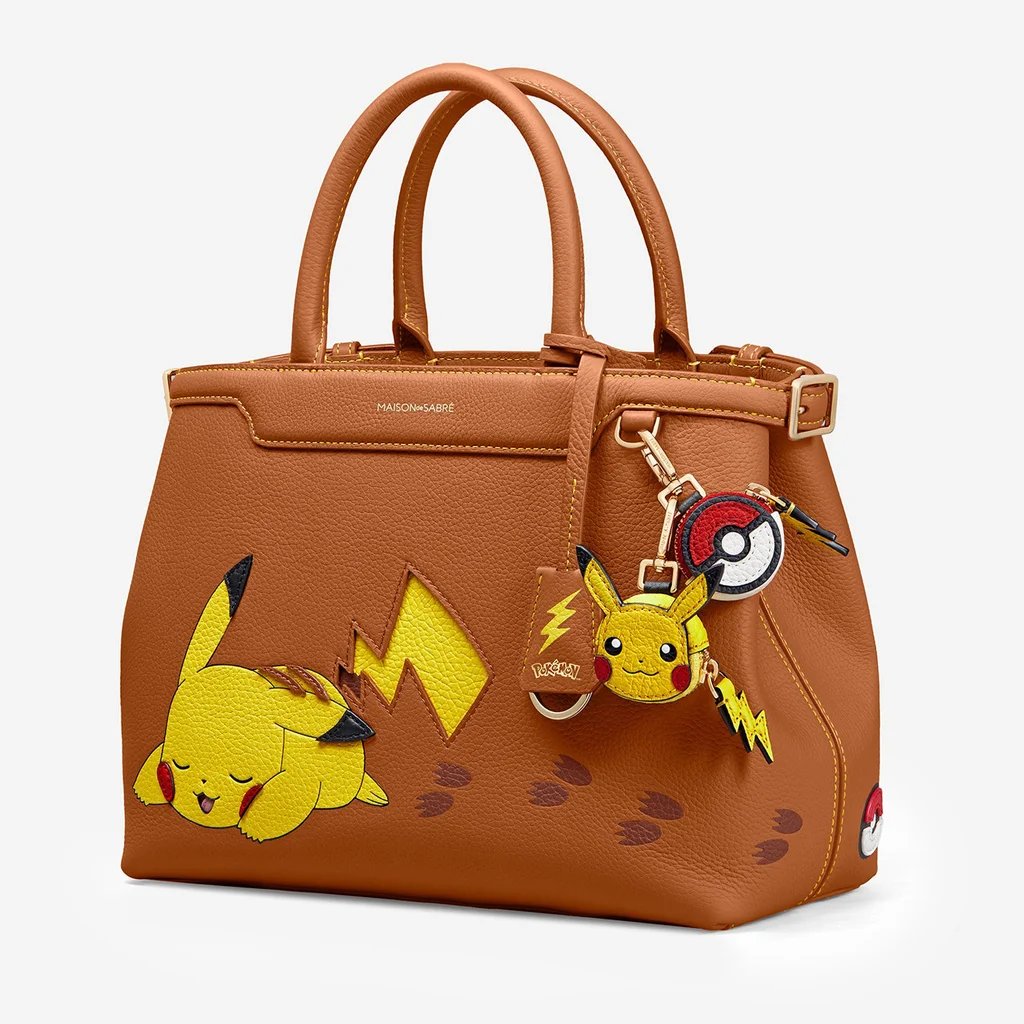
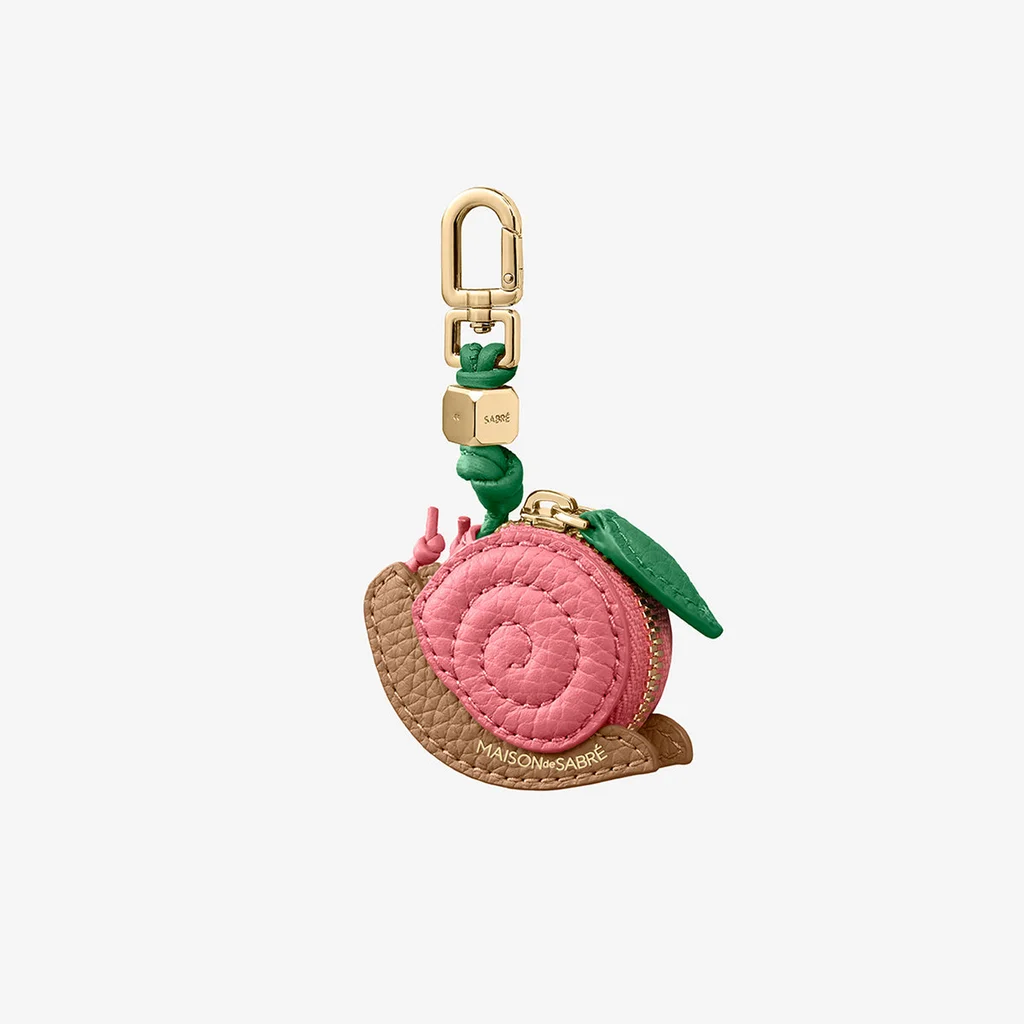
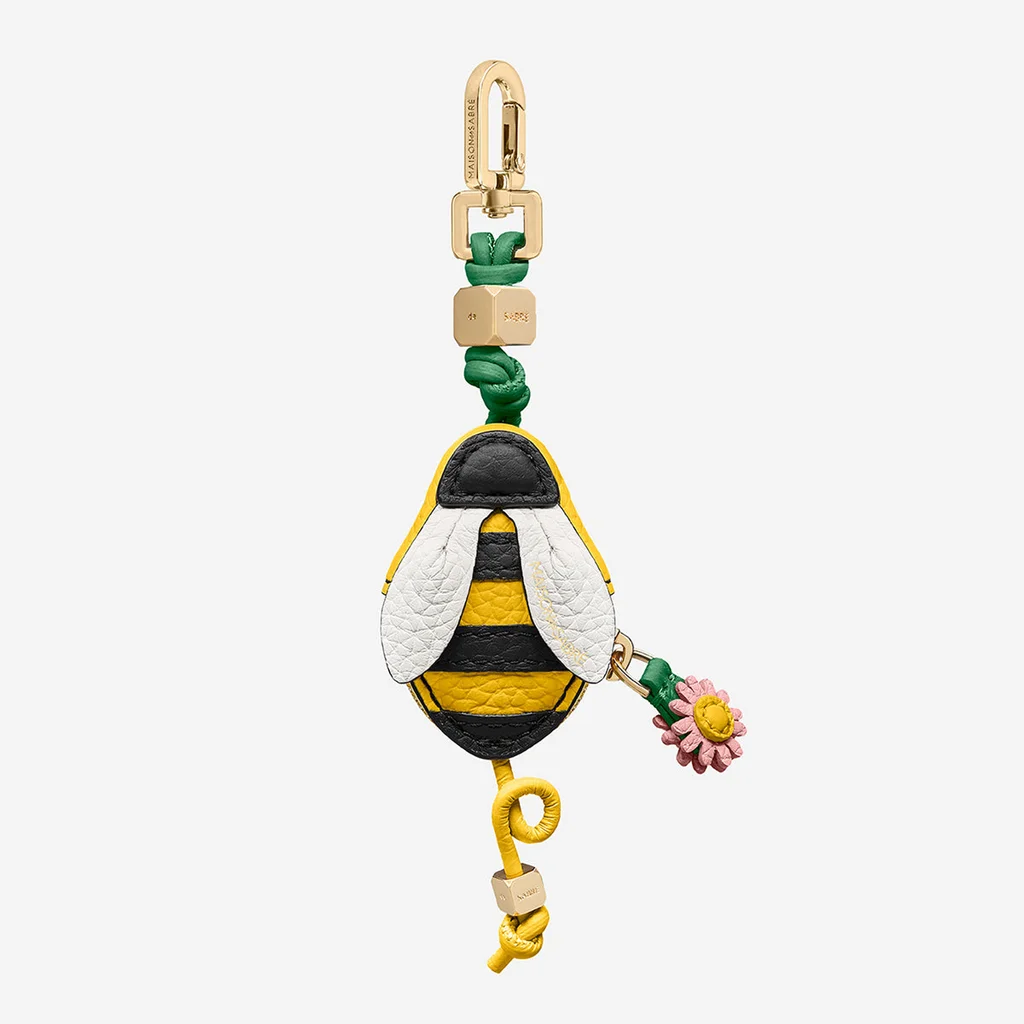
Its newest collection features tiny, intricate leather flowers—cherry blossoms, sunflowers, and daisies—that clip onto a strap, adding a jolt of personality to an otherwise formal bag. There’s also a bumblebee and a snail to round out the garden themes. Last season’s collection included jewel-toned fruits and vegetables: snap peas, carrots, chilis, and mushrooms. A recent Pikachu capsule, timed to Pokémon’s 30th anniversary, sold out almost immediately.
What most customers don’t realize is that those charms are born on the cutting-room floor, from the scraps of colorful leather left from other bags. These offcuts are part of an ongoing “Sabrémoji” charm line that keeps Maison de Sabré customers coming back to the brand season after season. Since they’re limited-edition offerings—dependent on what offcuts are currently available—they’ve also become collectibles. It’s a waste-prevention strategy that generates sales and lets customers personalize a classic bag.
The clearest sign of how central those charms are to the brand’s identity is the newest bag in the collection. Maison de Sabré recently launched the Soft Trio, a crossbody deliberately designed with clasps and hooks to show off the charms. It’s part of the company’s broader ambition of building the next generation of luxury brand, where sustainability is a central value.
The New Rules of Luxury
Maison de Sabré was founded by brothers Omar and Zane Sabré, who grew up in New Zealand. They originally trained as dentists, but when their father got sick, they realized they didn’t want to spend their lives pursuing careers that weren’t emotionally satisfying to them. As they talked about the future, they discovered a mutual passion for building a luxury brand that would carry their family name and outlive them.
They poured $40,000 of savings into their new label, which launched out of Australia. Its very first product, a line of colorful, leather-wrapped iPhone cases, generated $2 million in revenue in its first year. After six years of selling directly to consumers, the company—entirely self-funded—has now expanded into retailers like Nordstrom, Bloomingdale’s, Saks, and Le Bon Marché in Paris. This has accelerated their growth over the past three years. Today, the U.S. is their biggest market.
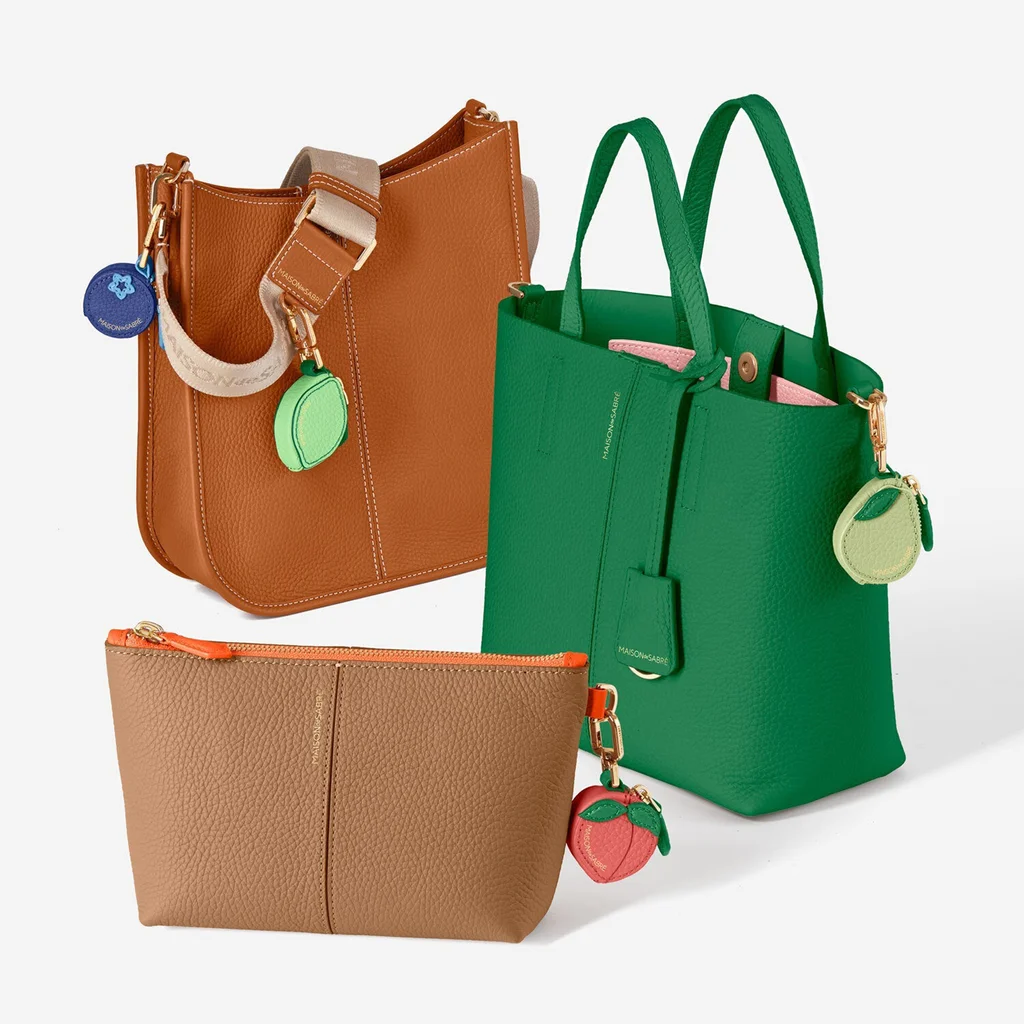
The Sabré brothers have spent a lot of time thinking about what a modern luxury brand should be. Like older generations of luxury consumers, millennials and Gen Zers prize beauty, good design, and durability, but they also expect luxury to be joyful, sustainable, and fairly priced. (Maison de Sabré bags cost $400 to $800, which is between a third and a quarter of the price of brands like Louis Vuitton and Chanel, even though they use similar-quality leather.)
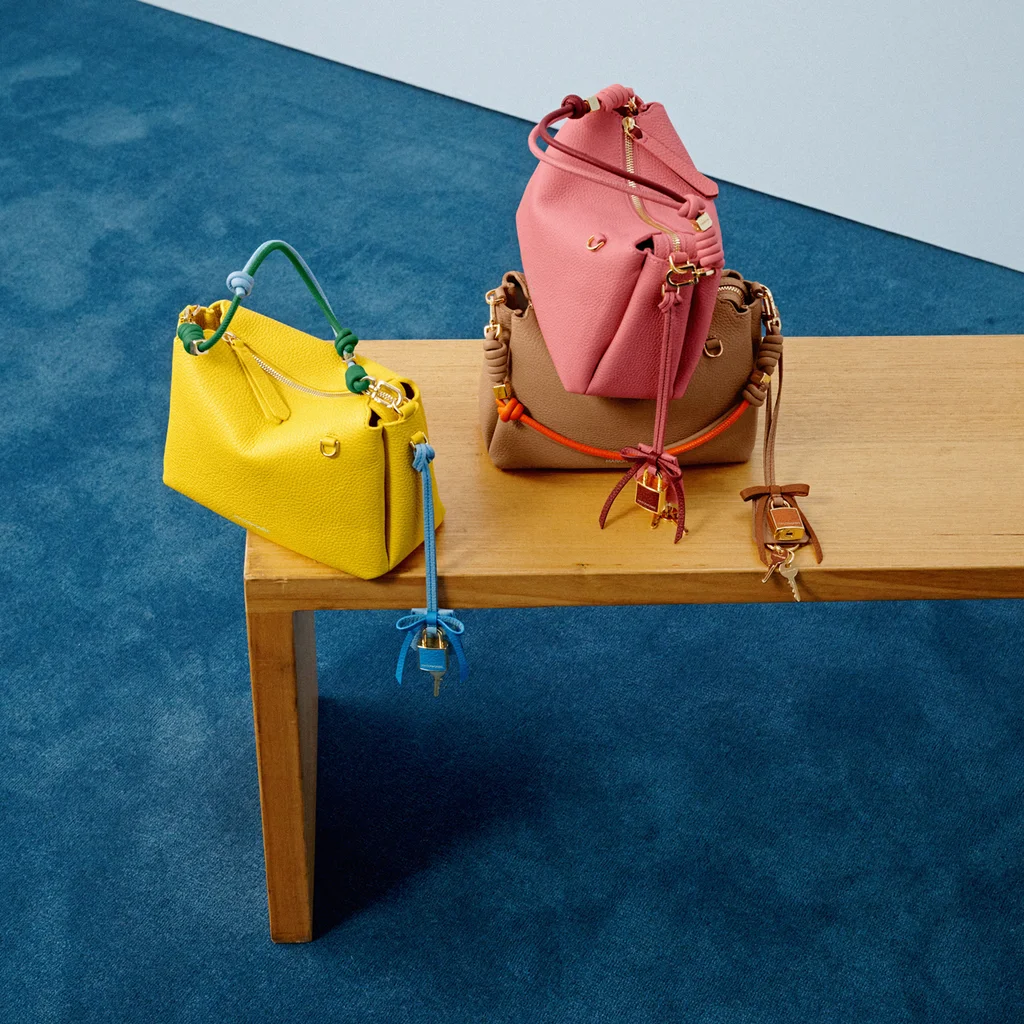
They carefully designed a line of bags with classic silhouettes—a traditional structured work bag, a bucket bag, a tote—but make them in a wide range of hues. The leather comes in vibrant orange, sky blue, and bubblegum pink. “Our brand has a streak of childhood nostalgia and unexpected playfulness,” Omar says. “Color allows us to distinguish ourselves from our competitors.”
While many established luxury brands are now working to become more sustainable by lowering their carbon footprint and rethinking the use of scraps, Maison de Sabré has built a sustainable supply chain from the ground up. Every hide is tanned using DriTan, a modern method that uses net zero water, which means all water used in the process is reused.
This saves 22 liters of water per hide, which translated to more than a million liters last year alone. There is also no sludge produced in the tanning process. Wastewater from the tanning is treated and reused, while tannery by-products are turned into biofuel to power generators that run the tannery itself. “Sustainability is not just about carbon offsets,” Zane says. “It’s about thinking of how we make the products in the first place.”
Turning Scraps Into Keepsakes
The company has a target of using 95% of all materials, which is much higher than that of many competitors who leave a lot of waste on the cutting-room floor. This means being strategic about how the bags are made in the first place, creating patterns that reduce waste. But it also means turning whatever is left into something covetable.
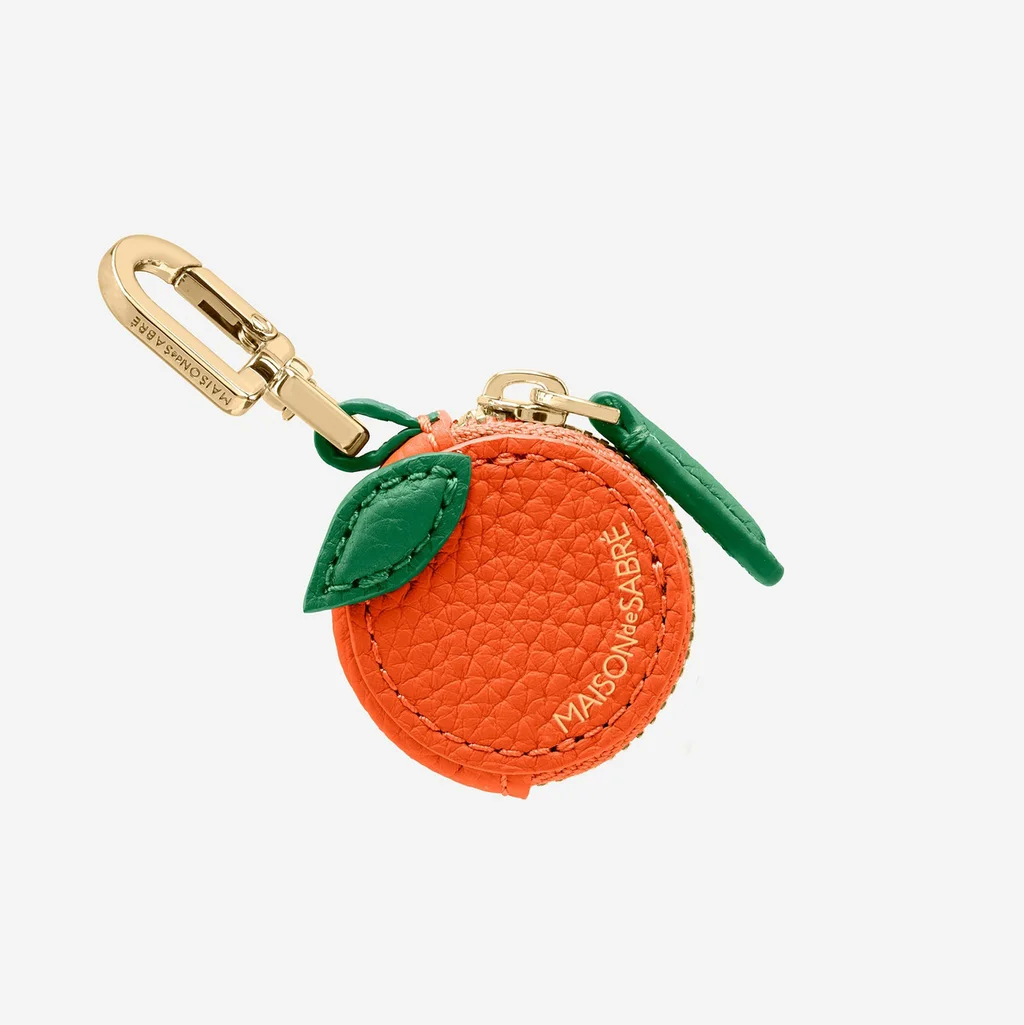
Omar says the Sabrémoji line began as a solution to a problem five years ago. One of its material warehouses was sitting on excess residual materials from a production run, and given that Maison de Sabré uses high-end leathers, these were expensive scraps. The answer was to transform the leftover leather to an AirTag-holder product that the brand had already been testing. “The excess materials were in all these wonderful tones and hues,” Omar recalls.
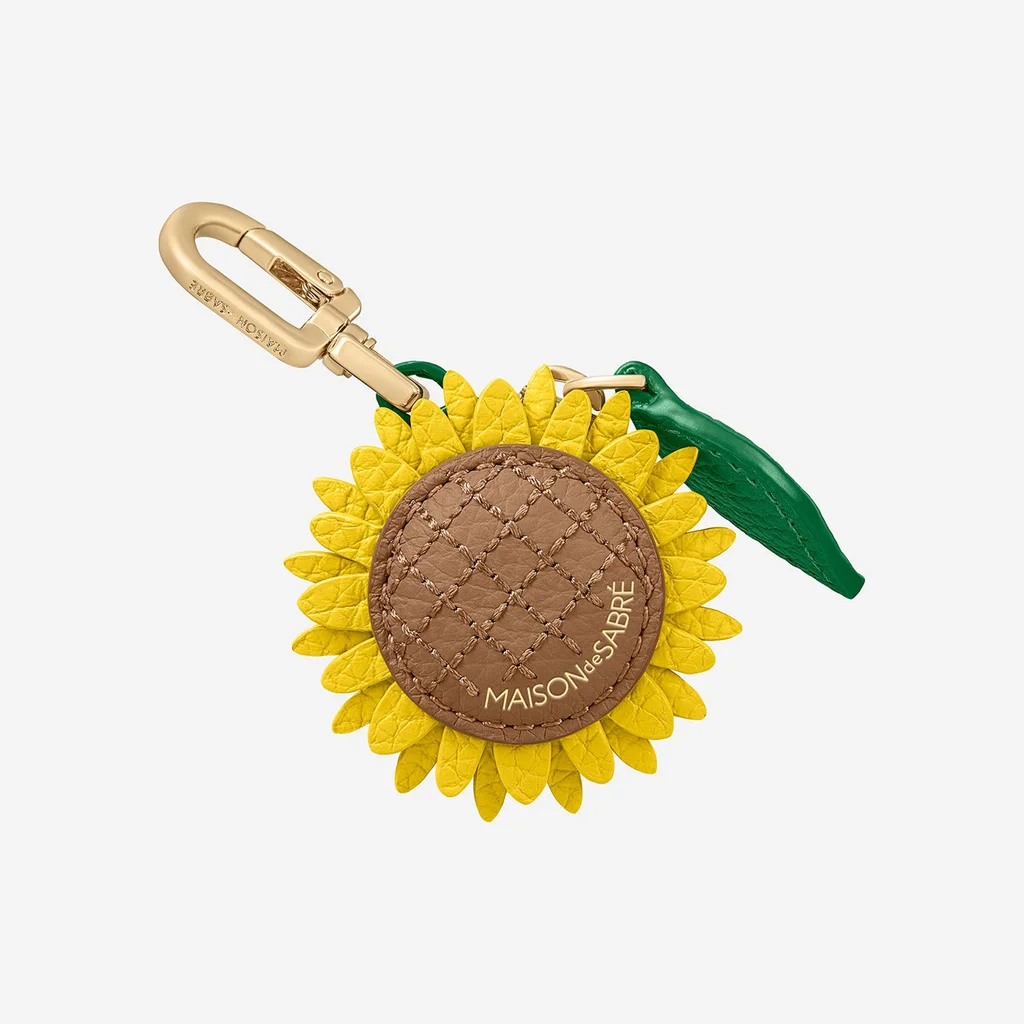
Creating the charms is harder than it looks. The colors and quantities are dictated entirely by whatever Maison de Sabré’s designers have created for that season. Once they’ve assessed what scraps are available, they design intricate, multitone items that use slivers of leather.
Omar says the company had to work to find artisans who were skilled at this kind of leatherwork. And each charm must be able to hold an AirTag, so it’s functional, not just whimsical. “Everything is specialized,” he says. “We work with our production teams to teach them how to craft these products.”
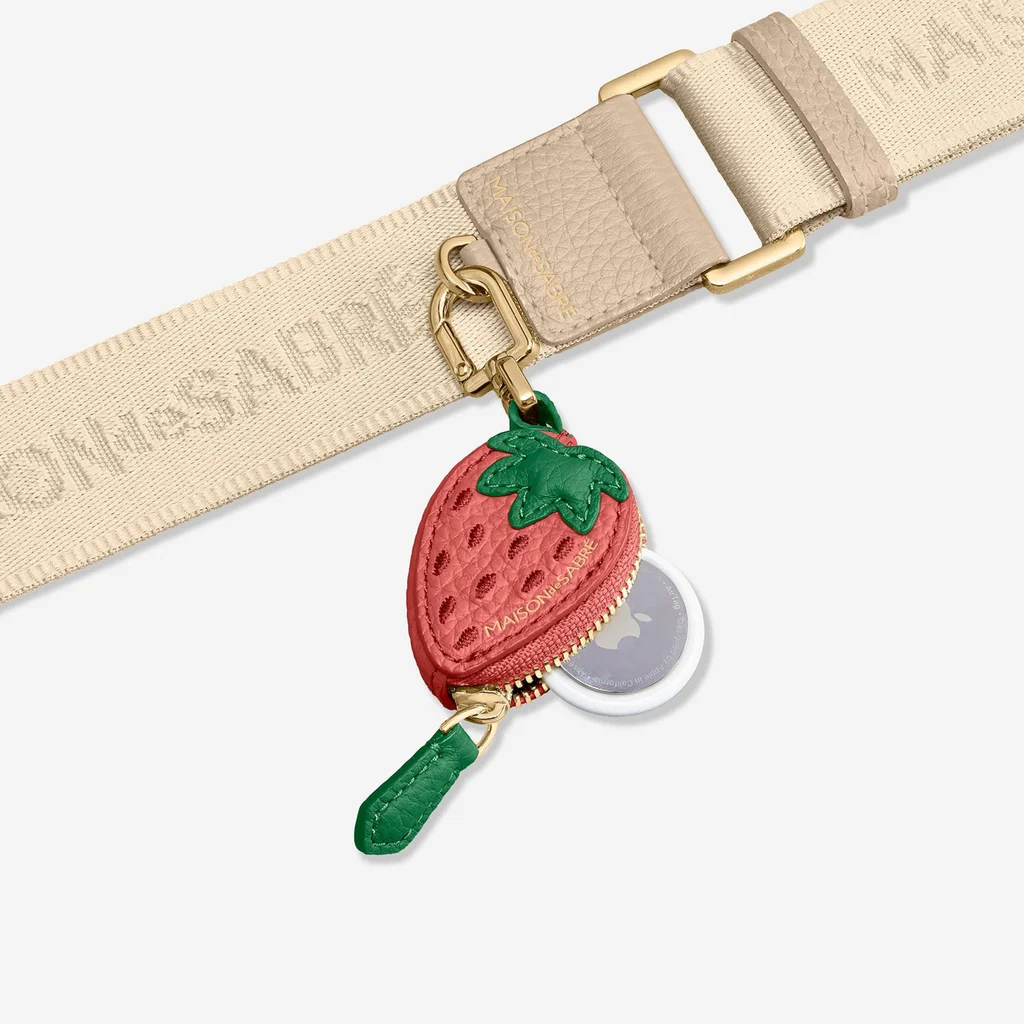
Now the company is building entire product lines to highlight the Sabrémoji charms. The newest launch, the Soft Trio, is a crossbody that is built for customization. It has several metal rings specifically designed to attach charms. And it can also be paired with interchangeable straps and handles, also made from upcycled offcuts, to create more than 720 styling combinations. “The contrasting colors are meant to move people away from perfect matching colors, towards expressing something more personal,” Zane says.
What began as a fix for a warehouse full of leftover leather has become a design philosophy. And the Sabré brothers are betting that this is the key to holding on to the luxury customer of the future.
