
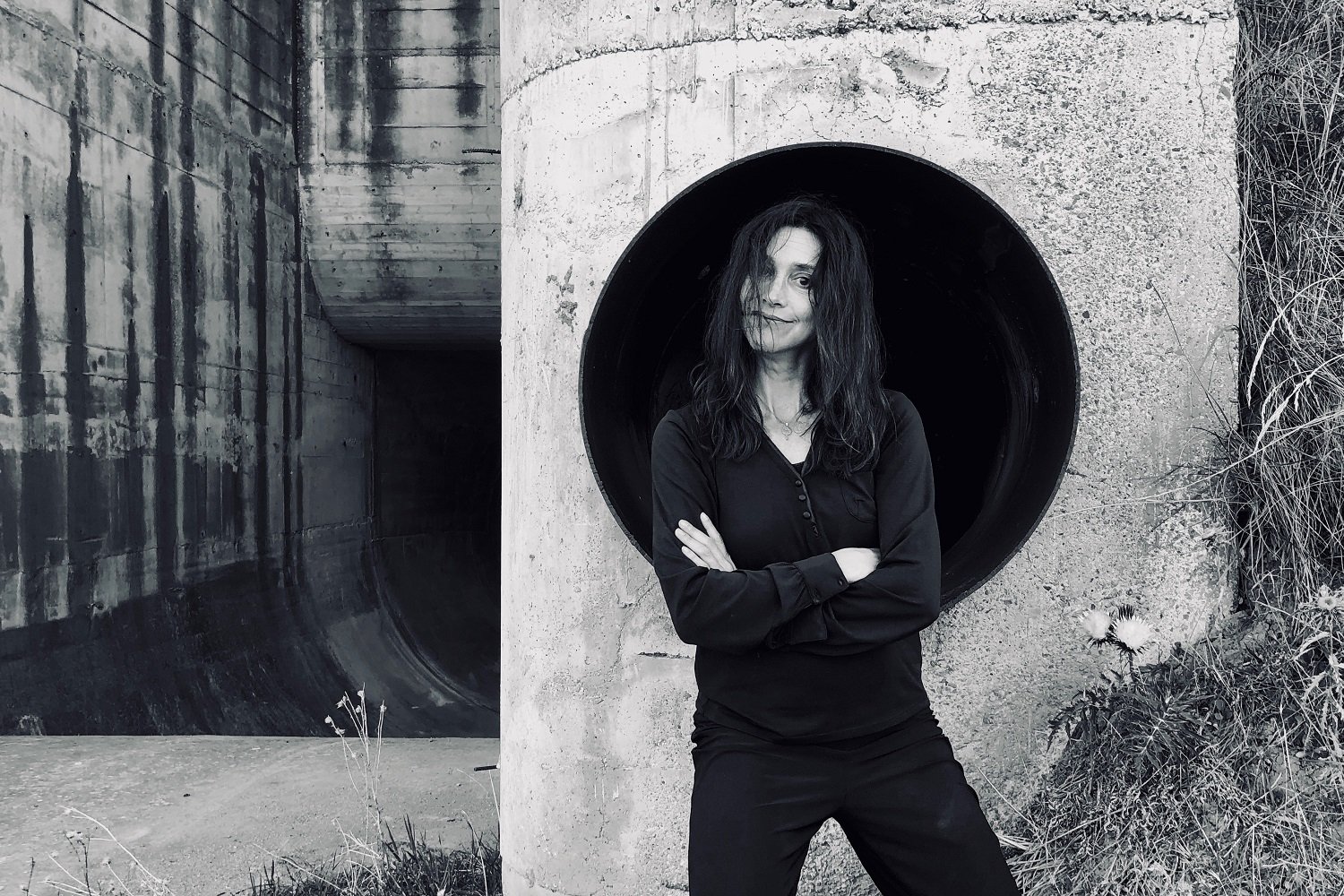
“Mongolians, in general, are deeply connected to nature, to their vast and powerful landscapes, and to their omnipresent nomadic culture”
– The Belgian-American director discusses the acting workshop she led as part of the European Film Festival organised by the European Union Delegation to Mongolia
Asked by Cineuropa to lead a workshop for actors in Mongolia as part of the European Film Festival organised by the European Union Delegation to Mongolia, director Jessica Woodworth (The Fifth Season, King of the Belgians) explains how she devised the course and what the fundamental differences are between actors in Europe and Mongolia.
Cineuropa: You just completed a training course for actors in Mongolia organised by Cineuropa as part of the European Film Festival by the delegation of the European Union to Mongolia. How did you organise the course?
Jessica Woodworth: Having spent years filming in Mongolia, having studied its language, and having formed long-standing friendships with Mongolians, I found myself back in a beloved place. That being said, designing a workshop for eighteen participants with varying degrees of experience was an obvious challenge. I first needed to assess their skills, needs and desires. It was imperative that they participate in their own language, so I partnered with a young film director, Erdene Enkhjargal, who happens to be a brilliant interpreter (not only of language, but also of culture). Through scene readings, improvisations and multiple vocal and physical exercises, we quickly understood what ground we all stood on.
The first tasks were to loosen up the imagination and deepen listening skills using various methods. Acting is reacting, so being entirely present in body and mind, and in the now, is key. The most basic of things are excruciatingly hard to perform: waking up believably, walking into a room believably, laughing believably. How to get there? Halting trains of thought, setting aside ego, waking up dormant impulses, daring to fall backwards together into murky shadowlands, giving generously, embracing wonder, bearing bruises. Listening.
We covered much terrain and then dedicated the last two days to honing in on performing on screen. They each chose challenging monologues and dialogues that we filmed, projected and analysed. We were expanding our awareness that even the slightest twist of thought, shift of glance, lift of chin, tilt of the head, breath, pause or sigh can express tectonic inner changes. The lens is like a surgical laser. It’s truly a miracle what the camera can capture. And there’s play. Playfulness. Silliness. Fun. We let it all hang out. Without a bit of that, absolutely none of the above comes to life.
What were the biggest challenges?
Traffic. Getting through the wealth of material in five days.
Did you find that the acting style of young Mongolian actors differs from that of European actors?
Mongolians in general are deeply connected to nature, to their vast and potent landscapes, and to their omnipresent nomadic culture. It’s a nation of fierce physical extremes and this, in my view, results in an inherent humility. My strongest conviction after directing fiction for two decades is that humility is the prime ingredient of the finest acting. The actors in the workshop all demonstrated seriously impressive talent. I think this is connected in some way to their land. They seem to have access to a certain inner stillness that’s like a wide pool or mirror. Fascinatingly, when working with voice vibrations as a stimulus to jostle the imagination, they almost all immediately conjured imagery connected to the land, the animals, the elderly, the seasons, and the sky. The sky, worth noting, is considered by many in Mongolia to be the ultimate judge of mankind. I sincerely hope the immense talents of these actors can be harnessed by many film directors in the future.
What did you recommend to improve their presentation at castings?
We looked at effective casting tapes and common mistakes. Casting can be as awkward as having to pitch one’s film concept in three minutes: an uncomfortable necessity. That being said, it should be considered an opportunity to test range and depth in an authentic way. Then there’s the technical bit: steady framing, clean sound, solid eyelines, choosing a scene partner carefully. As we all recognise, luck plays a big part in all this. But attending every casting possible is a way of staying nimble. Remembering that rejection is a very large part of the film industry also helps. Interestingly, the absolute worst casting tapes I have ever received ended up sparking my interest and prompting me to offer lead roles. You never know. Sincerity is key – and dropping the masks. In our daily lives, we are constantly filtering through masks. The screen offers us glimpses behind the masks. Acting offers actors the chance to experience and share unmasked truths. What a privilege.
