
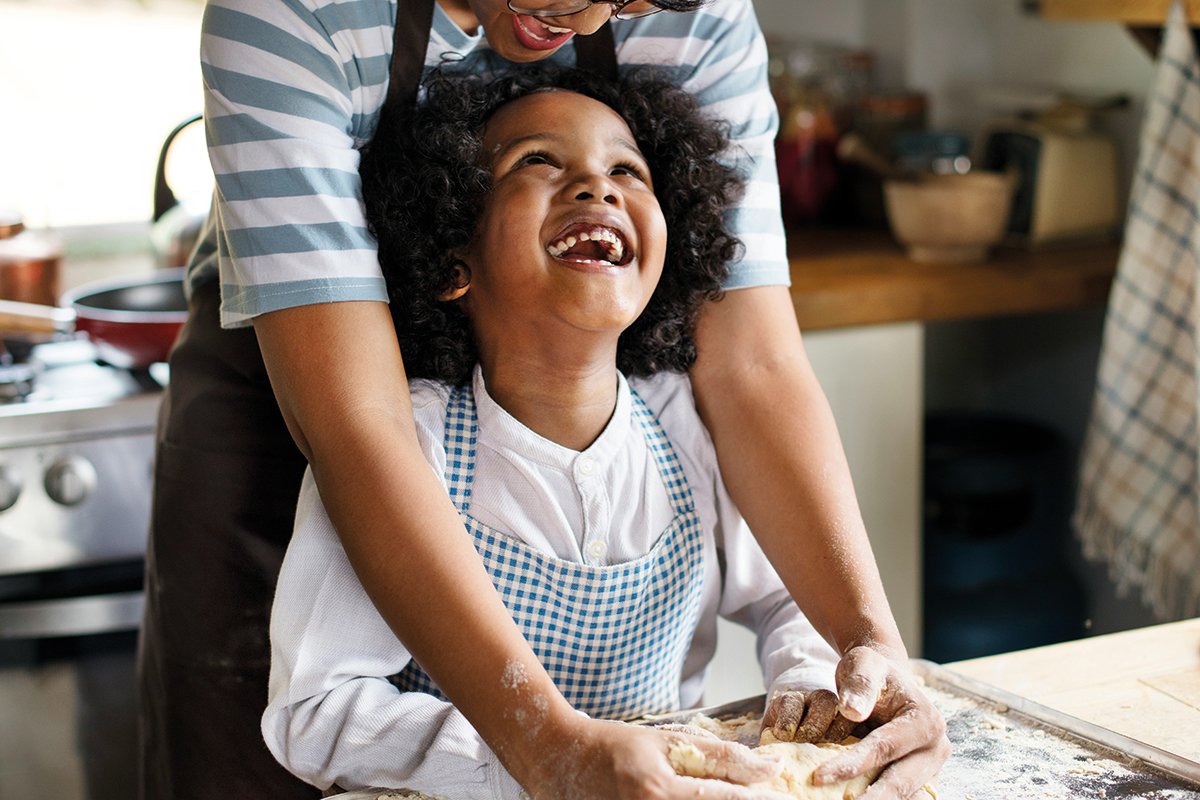
As parents, we’re always looking for ways to help our children grow—not just taller, but also more confident, capable, and connected to the world around them. One of the simplest places to nurture those qualities is right at home, in the kitchen.
When we invite kids into the kitchen early—with patience, playfulness, and a willingness to embrace their mistakes—we give them far more than cooking skills. We also give them a space to explore who they are, what they like, and what they’re capable of. And we give them a chance to take part in something real and meaningful. Soon, one recipe at a time, they begin to understand that they are capable contributors—and that confidence can shape far more than what ends up being served at a family meal.
Cooking up confidence
You may have noticed that your children are naturally curious. The kitchen is one of the best environments to nurture and celebrate that curiosity because everything is sensory: the smell of curry, the sound of meat sizzling, the feel of dough between tiny fingers. When kids are introduced to cooking in the early years, they begin to see food not as something that magically appears on a plate but as something they can help create.
“Participating in food preparation can boost children’s confidence and sense of capability,” says Amélie Charron, RD, who specializes in child nutrition with JM Nutrition. “Even small, simple tasks allow them to contribute to the overall process and feel part of creating the final result.”
A toddler who gets to stir pancake batte or sprinkle cheese on a pizza learns that their actions matter. A preschooler who tastes ingredients along the way starts to trust their own senses. “Seeing and tasting what they helped make builds pride and accomplishment, while age-appropriate responsibilities support independence,” notes Charron. “Over time, this confidence can extend beyond the kitchen and encourage a willingness to try new things.”
Charron explains that safe kitchen tasks should be guided by a child’s age, skill, and level of supervision, starting with simple, low-risk activities and gradually building from there.
Involvement in the kitchen doesn’t need to be complicated. Even when kids are too young to do more difficult tasks, they can try simpler ones:
- stir sauces, batters, or soups
- wash fruits and vegetables
- tear lettuce or herbs
- assemble simple foods like sandwiches, salads, or wraps
- crack eggs
- taste ingredients and describe what they notice
These tiny tasks give them a modicum of ownership—and often spark conversations about flavours, textures, nutrition, and where food comes from.
Cook more, eat better
There are some important nutritional benefits to allowing children to work in the kitchen. A research review published in the Journal of Nutrition Education and Behavior showed that frequently cooking can help improve dietary habits, including increasing fruit, vegetable, and fibre intake.
Importantly, the active participation of parents was determined to be crucial in making childhood cooking practices successful. “Hands-on exposure, without pressure, encourages children to explore, taste, and gradually accept new foods, which has been linked to improved dietary habits,” says Charron.
A study in the journal Appetite found that children eat more food that they prepare themselves. Childhood and adolescence are key periods for establishing the foundations of healthy eating habits.
Who says cookbooks are just for grown-ups? There are numerous cookbooks on the market to help your young chef discover the culinary world. These family-friendly cookbooks, supported by supplemental content and useful visuals, can help adults and children collaborate and develop the skills and confidence that will benefit mealtime and, ultimately, long-term eating habits.
A great place to start is The Complete Cookbook for Young Chefs: 100+ Recipes That You’ll Love to Cook and Eat (Sourcebooks, 2018) by America’s Test Kitchen.
Cooking fosters creativity
Once children begin to feel increasingly comfortable in the kitchen, it becomes a playground for imagination. Cooking is one of the few everyday activities where experimentation is not only allowed but also encouraged. “The kitchen can become a space for imagination, where children experiment with colours, textures, flavours, and presentation,” Charron says.
Let them mix colours by blending different fruits into smoothies. Let them explore flavours by adding a pinch of allspice or squeezing a bit of lemon into dinner dishes. Allow them to plate their creations in fun shapes or rainbow patterns. When children are given permission to constructively play with food, they learn to trust their instincts and think creatively.
“Adding playful elements, such as arranging food creatively or naming their dishes, makes the experience even more engaging,” explains Charron. “Keeping the focus on exploration rather than perfection helps children feel confident trying new ideas and supports their curiosity and independence in the kitchen.”
It can be even more powerful to give them the freedom to remix recipes. A child who swaps parsnips for carrots or decides to add crunchy granola to a salad is learning to make choices, evaluate outcomes, think critically, and express themselves.
“It also introduces early problem-solving,” says Charron. “Recipes don’t always go as planned, and children learn to adapt with guidance—whether that means substituting ingredients, adjusting steps, or working through small mistakes. Over time, this can foster creativity, independence, and the early foundations of innovation.”
Skills building for the future
Beyond boosting creativity and confidence, meal preparation and cooking foster practical skills that every child will eventually need. “Early involvement in cooking can help build organization, planning, and independence while introducing practical skills like reading recipes, writing grocery lists, budgeting, and measuring ingredients,” says Charron.
She adds that these hands-on experiences help reinforce academic skills, such as math, reading, writing, and science, while helping children learn about different cultures and where food comes from. They’re better equipped to live independently, make healthier choices, and contribute more meaningfully to their household or community.
Helping hands
Most nutrition experts emphasize a food‑first approach to meeting the nutritional needs of children. But it’s hardly uncommon to be raising a picky eater. That’s where appropriate supplementation can help close nutrition gaps. Here are some supplements that can be useful to the fussy eater of the household.
- Children’s multivitamins help cover a variety of vitamins and minerals.
- Vitamin D (drops or chewables) are one of the most commonly recommended supplements for kids, even those with more varied diets.
- Omega-3s (DHA/EPA) provide crucial fats for those who turn up their nose to seafood.
- Probiotics are good for supporting digestive health.
- Berry powders supply antioxidants from various fruits and are more widely accepted by kids than greens powder.
Headspace
Expanding minds require the right supporting nutrients. Here are some foods that nourish a developing brain.
| Food | Nutrient | Brain Benefit |
| salmon | omega-3s | major building block of brain and nerve cells |
| eggs | choline | builds cell membranes and supports memory pathways |
| pumpkin seeds | zinc | part of the brain’s antioxidant defence system |
| spinach | iron | supports oxygen transport to the brain |
| blueberries | anthocyanins | antioxidants with neuroprotective effects |
This article was originally published in the August 2026 issue of alive magazine.
