
If we learned anything from this week’s NBA draft, it’s that this is not a good time to be unemployed.
Remember when free agency was a pot of gold at the end of the NBA rainbow? A draft class for the ages and a salary cap well past its expiration date have conspired to change that.
The genesis of this problem can be traced to the mutual “we were the winners” response by both the players and the owners in the NBA’s last collective bargaining agreement.
The star players got what they wanted – a rapidly escalating maximum-contract figure that allowed 14 players to earn more than $50 million last season and another 31 to pocket $35 million or more.
Meanwhile, the owners were able to slow inflation in the salary cap, which hasn’t come close to matching the increase in salaries.
The result: Remember all those teams accused of tanking? Well, 29 of them ended the 2025-26 season over the cap, and the one that didn’t – the Nets – barely snuck under it.
Owners don’t like being north of the NBA’s assigned budget because it comes at an additional cost. The loophole-less taxes married to the dreaded second apron are even more painful.
The outlook for the upcoming season is more of the same – higher prices for gas, but no additional disposable income with which to afford an electric car.
Suffice it to say, player agents are going to earn their money this summer. Or probably more likely, they’re going to get fired by free agents who were promised riches but will have to crawl back to their 2026 employer, begging that they re-sign a guy they were hoping to see walk so the team could pocket the savings.
Salary raises? More like pay cuts.
Now let’s mix in the draft results.
You start with four bad teams – the Wizards, Jazz, Grizzlies and Bulls – who might otherwise throw big bucks at overpriced former stars, which desperate franchises are renowned for doing.
Instead, they were able to latch onto four potential superstar players, which helps point them to the future rather than a win-now free agent.
That said, it’s hard to find any team that wasn’t happy with its draft result, whether it was landing a real nice prospect at pretty much any point of the first round, or trading out of the guaranteed contract for some nice second-round sleepers without taking a salary-cap hit.
So now reality sets in: Happy owners don’t go Christmas shopping in July.
If anybody stands to benefit from the penny-pinching off-season, it’s a college graduate with aspirations of being an NBA general manager someday. It’s going to be that kind of summer, where the smartest teams find a way to get better despite seemingly having no money to do so.
Script a gameplan and earn yourself a job. You know, like the guy who just earned the right to trade Giannis — Jon Horst.
It no doubt would start with the three most important letters of the NBA alphabet these days: TPE.
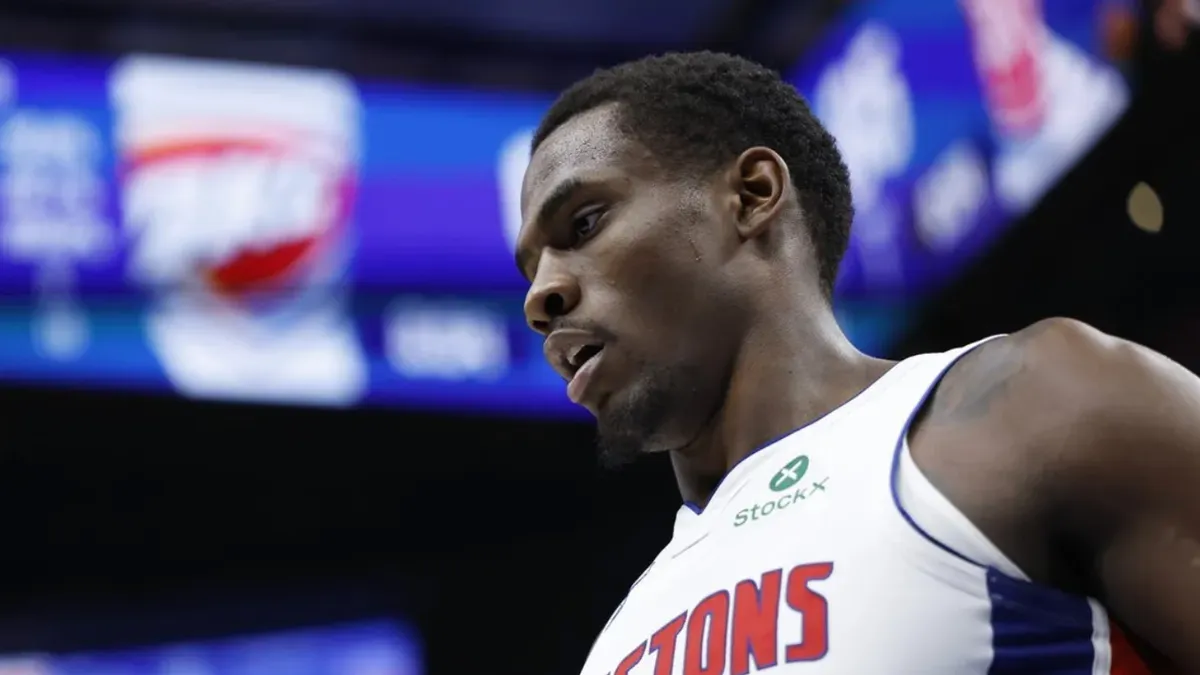
It’s why the Nets and Grizzlies were able to get big-name players for peanuts. Only these peanuts are macadamias — blank checks for the total amount of the Julius Randle and Isaiah Stewart contracts, available to use on free agency for Timberwolves and Pistons teams that would ordinarily not have any money to spend.
Sign-and-trades figure to be big as well. At this point, it appears like the only way LeBron James can get out of Los Angeles, presuming he wants a serious shot at another title.
But now that the Spurs have bulked up with Jayden Quaintance and Tarris Reed Jr., do they really need to sacrifice some of their precious young talent to get Victor Wembanyama a 40-something bodyguard?
Do the Warriors, having added a plug-and-play power forward in Yaxel Lendeborg, still have an interest in LeBron, short of the Lakers taking Kristaps Porzingis in a sign-and-trade?
Pity Porzingis, Jalen Duren, James Harden and Zach LaVine, let alone Peyton Watson, Norman Powell, Andrew Wiggins and Walker Kessler.
Take down those “For Sale” signs. They’re likely staying home.
Or can you say mid-level exception?
