
TORONTO — Ontario’s colleges and universities ministry has disqualified students at five private career colleges from receiving student assistance loans this coming year, after raising concerns with some of the schools’ course enrolment practices.
The move comes as career college students across the province are barred from accessing grants through the Ontario Student Assistance Program, part of a financial aid overhaul by the provincial government that also involves sharply reducing the amount of grants students at universities and publicly funded colleges can receive.
When Premier Doug Ford’s government made the announcement earlier this year, increasing funding to post-secondary institutions by $6.4 billion over four years while reducing OSAP spending, it cited “unsustainability” of the student financial aid program.
However, data obtained by The Canadian Press through a previous freedom-of-information request showed that nearly all of the recent growth in OSAP grants was among career college students.
The Ministry of Colleges, Universities, Research Excellence and Security is now preventing students at four locations of Academy of Learning career colleges, which operate as franchises, and students at Citi College of Canadian Careers from accessing OSAP loans, on top of the general grant disqualification.
The federal government had advised current and prospective students of those schools — and one in New Brunswick — in September that it was considering suspending federal student aid, in a now-deleted notice on the Employment and Social Development Canada website.
Ontario’s decision made further federal consideration unnecessary, a spokesperson wrote in a statement.
Neither the federal nor provincial government has divulged specific allegations, but a court filing from late last month by three of the schools suggests they are about online learning.
“The specific concerns noted with the asynchronous learning programs related to ‘high-risk admissions practices,’ ‘compromised participation in asynchronous programs,’ ‘inadequate attendance tracking,’ and ‘deficient academic progress monitoring,’” according to three of the schools who are seeking to have the decision quashed.
“At a high level, the concerns were centred around whether the persons enrolled in the program were consistently the persons who were completing the coursework.”
The concerns identified by the ministry are common to asynchronous learning programs across the post-secondary sector, the corporations that own three of the Academy of Learning locations argue in their notice of application for judicial review.
“The applicants implemented (controls and monitoring) and designed their programs to serve the student population enrolled in these programs, which as discussed above, predominantly consists of working adults, newcomers to Canada, individuals with family responsibilities, and students generally requiring greater flexibility in their learning environment,” they wrote.
Jaidev Chakravarty, the director of Citi College, said in a statement that the college prides itself on having trained thousands of students over several decades.
“It will seek to continue to meet Canada’s labour market demands and serve the needs of students and employers,” Chakravarty wrote in a statement.
“On the advice of its legal counsel, Citi cannot comment further on OSAP related issues, other than to say that Citi has been engaged in positive dialogue with the province on these matters and would not rule out any legal remedies in order to ensure that students have access to our training programs.”
The three Academy of Learning locations in Brampton, north Toronto and downtown Toronto argue in their court filing that while the minister has the power to withdraw OSAP eligibility during an academic year, he cannot prevent eligibility for an upcoming year when an institution hasn’t submitted an application yet.
The ministry gave one of the campuses a fail in a September 2025 OSAP inspection report, the schools say in the court document, and issued similar reports for the other two campuses in March. The schools submitted corrective action plans within required timelines, they say.
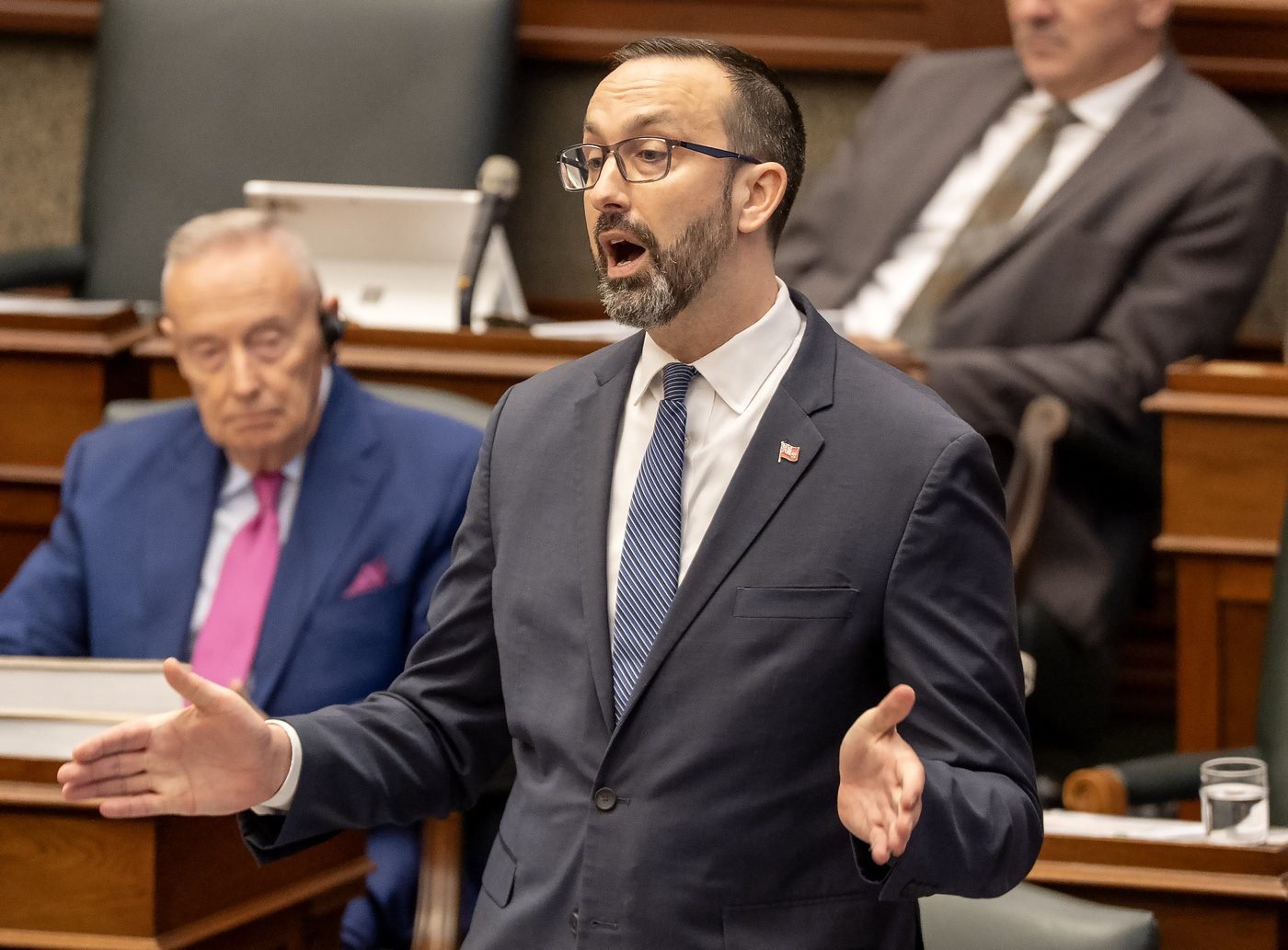
A spokesperson for Colleges and Universities Minister Nolan Quinn said there is a robust framework to ensure OSAP-eligible post-secondary institutions are in compliance with all rules and regulations.
“Should any institution fail to comply, we will not hesitate to hold them accountable and take swift action to protect hard-working Ontario taxpayers and students,” Bianca Giacoboni wrote in a statement.
Career Colleges Ontario said the vast majority of career colleges are committed to complying with requirements and providing students with a high-quality education.
“When institutions fail to meet the required standards, they put students at risk, undermine public confidence, and reflect unfairly on the many ethical career colleges that operate with integrity,” spokesperson Taylor Buck wrote in a statement.
“Students rely on OSAP to build better futures, and employers across Ontario rely on career college graduates to fill critical workforce needs. Protecting the integrity of the system requires clear rules, consistent oversight, and effective enforcement, and is in everyone’s interest.”
This report by The Canadian Press was first published July 16, 2026.
Allison Jones, The Canadian Press
