
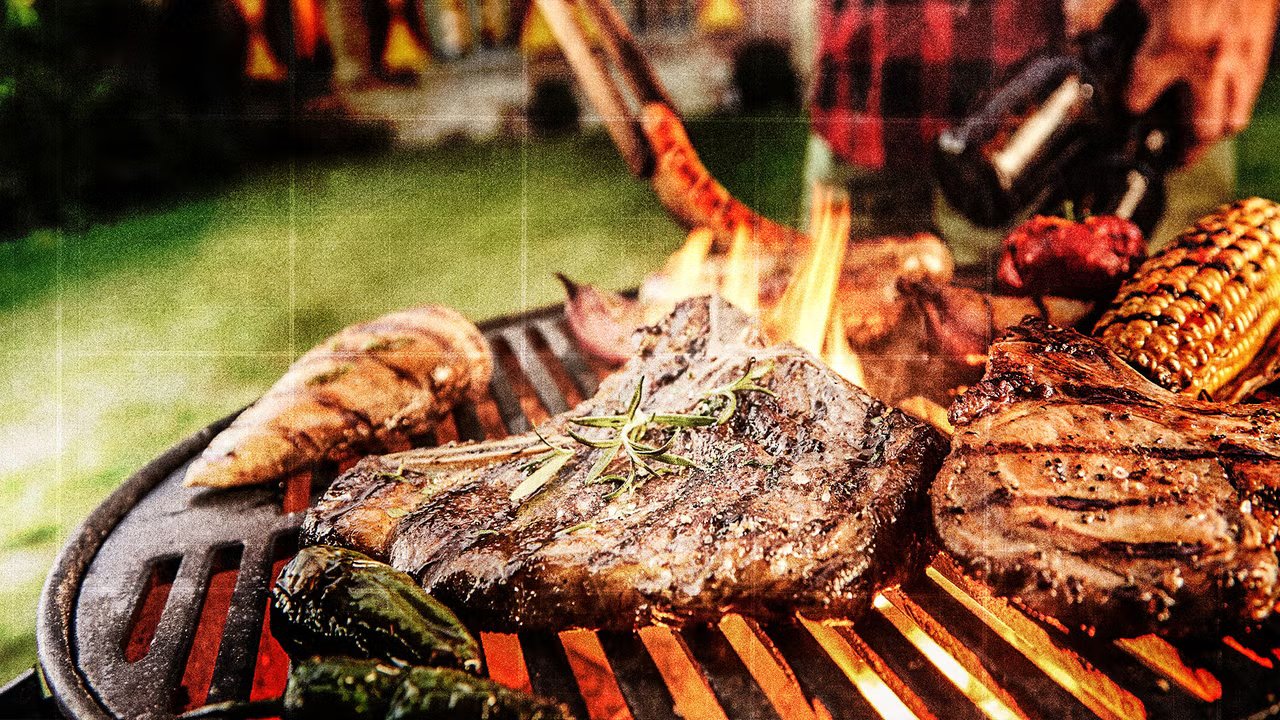
Heading into Fourth of July weekend, Americans are going to be making some tough choices about what to throw on the grill.
The price of beef in the U.S. is still hovering around its record high, according to the most recent data from the U.S. Bureau of Labor Statistics. In April, beef hit its highest price yet, averaging $6.92 per pound of ground chuck – up almost a dollar per pound from the year prior and almost three dollars compared to early 2020, before prices began rising. In May, it dipped slightly to $6.72 per pound, a price that remains well above what Americans expect to pay for red meat.
Beef’s problems are myriad. The U.S. cattle herd, which includes dairy and beef cattle, has contracted to its smallest size in 75 years. For farmers, raising cattle is a more expensive endeavor now than in the past. Rising costs for everything from fuel to fertilizer have imperiled the business of raising cattle. With fewer suppliers, that business is now even more volatile – and even riskier for anyone looking to get in.
The Farm Bureau predicts that cattle inventory in the U.S. won’t expand until 2028 at the soonest. “The combination of fewer beef cows and a declining calf crop means the 2026 calf crop will likely continue to trend downward because there are fewer calves available for the breeding herd, even if more heifers are kept for breeding purposes,” a report from the farming organization earlier this year stated.
Beef’s uncertain future
Environmental conditions have also worsened conditions for cattle farming. In parts of the country experiencing historically dry weather, farmers face difficult choices about how to keep cattle fed and watered with pastures in a depleted state. “There’s just no way you can survive in this business if you don’t have rain,” NC State Ruminant Nutrition Specialist Matt Poore said in a report on drought conditions and farming in North Carolina. “On the pasture-based livestock farms I work with, your primary crop is the pasture, the grass, the forage. When you lose that, you can’t support your animals.”
Drought conditions and beef may be caught in something of a vicious cycle. Of all proteins, beef is among the worst for the climate given its high methane emissions and immense levels of land and water use. In the U.S., cattle alone accounts for more than a third of agricultural emissions.
While some people are turning to cheaper cuts as a compromise, high prices haven’t yet kept Americans away from red meat – and that’s part of why prices keep rising. “Higher cattle prices are due to historically tight cattle supplies, but also consistently strong consumer demand for beef,” the Farm Bureau’s report states. When buyers do splurge on beef, they’re sometimes opting for labels that signal that they’re getting a high level of quality for their cash, like USDA Prime and grass-fed options.
Chicken is one alternative protein that hasn’t experienced beef’s meteoric rise in prices. A pound of whole fresh chicken was $2.04 in May of this year, two cents less than in 2025. That’s a relative steal for protein per pound, but chicken is still up more than 40% in the U.S. compared to pre-pandemic pricing norms. If you can keep your grill-out guests from reminiscing about how much things cost in the “before times,” firing up those smoked chicken thighs just might feel like a good deal this weekend.
